


A Shift in Seasons
For years, Ladakh's tourism calendar was predictable: a bustling summer from June to August, when mountain passes opened and the weather was most forgiving. But today, the region is successfully positioning itself as a year-round destination. The local
administration's focused efforts on promoting winter, adventure, and cultural tourism are paying off, with a significant surge in visitor arrivals recorded in recent months. This shift is driven by a growing number of travellers seeking more unique, less crowded experiences, and discovering that Ladakh's beauty isn't limited to a single season.
The Golden Allure of Autumn
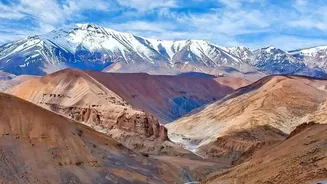
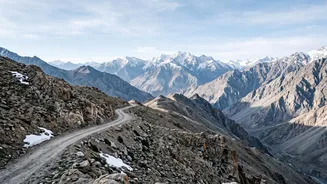
As the summer rush fades, Ladakh transforms. The months of September and October usher in autumn, a season many experienced travellers consider a hidden gem. The landscape, typically stark and rugged, is painted in stunning golden and orange hues as poplar and apricot trees turn. The air becomes crisp, and the skies turn exceptionally clear, offering perfect conditions for photography and stargazing. This period offers a more peaceful atmosphere, with fewer tourists at iconic sites like Pangong Lake and Nubra Valley. It's an ideal time for trekking and mountain biking before the deep cold of winter sets in.
Winter's Thrilling Embrace
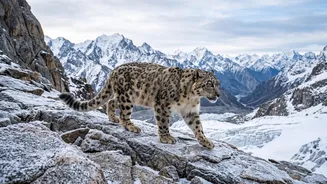
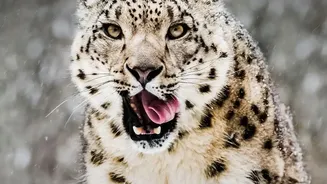
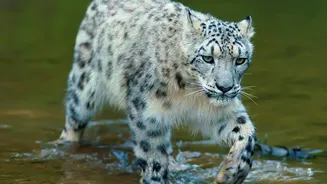
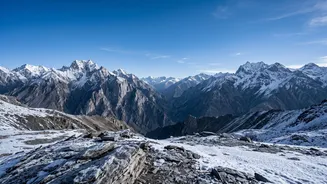
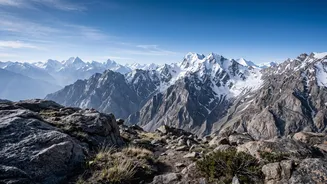
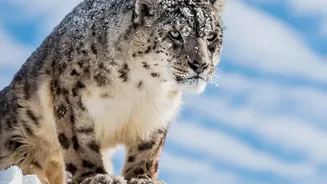
For the truly adventurous, winter in Ladakh (November to March) offers an experience unlike any other. The region becomes a pristine, snow-covered paradise, unlocking a new set of extreme adventures. The most famous of these is the Chadar Trek, a challenging expedition walking on the frozen Zanskar River. Winter is also the prime season for wildlife enthusiasts, as it offers the best chance to spot the elusive snow leopard in Hemis National Park. While temperatures are harsh, dropping well below freezing, the administration is actively promoting winter sports and activities, and many internal roads to key attractions like Nubra Valley and Pangong Lake remain accessible, though temporary closures due to snow can occur.
What's Driving the Change?
Several factors are contributing to Ladakh's emergence as an all-season destination. The UT administration has launched a multi-pronged strategy, including targeted digital campaigns and tourism festivals like the Apricot Blossom Festival and Astro Tourism Week to showcase its diverse offerings. A significant push has also been made to diversify beyond conventional sightseeing into niche areas like wildlife tourism, spiritual travel, and wellness. Recently, the administration approved India's first high-altitude wildlife safaris, which are expected to launch before the winter of 2026, further boosting the region's appeal for nature lovers. This, combined with improving infrastructure and a growing traveller appetite for authentic experiences, is reshaping Ladakh's tourism landscape.
Planning Your Off-Season Trip
A trip to Ladakh outside the peak summer months requires careful planning. In autumn, the weather is pleasant during the day but nights are cold, so packing layers is essential. While many hotels and guesthouses remain open, it's wise to book in advance, especially as some establishments close by the end of October. For a winter trip, preparation is even more critical. Acclimatisation to the high altitude is crucial, and you'll need specialised winter gear to handle the extreme cold. Relying on experienced local tour operators is highly recommended, as they can provide safe and well-planned itineraries for activities like the Chadar Trek or snow leopard tracking. Despite the challenges, the rewards are immense: cheaper flights and hotels, no crowds, and the chance to see Ladakh in its most raw and serene state.