




A Decade of Certainty, and Congestion
The ICC recently finalised its schedule for major men's events, providing a clear roadmap from 2028 all the way to 2035. This long-term calendar includes biennial T20 World Cups, the return of the Champions Trophy, and the continuation of the 50-over
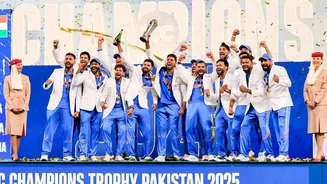
World Cup and World Test Championship Final. For instance, India is set to host the Champions Trophy in October 2029 and co-host the Cricket World Cup with Bangladesh in October-November 2031. While this provides unprecedented clarity for member nations to plan their futures, it also cements a schedule with very few open windows. The calendar is a dense tapestry of global tournaments, effectively putting a fence around key months of the year and leaving little room for domestic league expansion.
Why the January IPL Talk?
The idea of moving the Indian Premier League from its traditional April-May slot isn't new. The primary driver is the extreme weather. Playing in the punishing heat of the Indian summer, with temperatures often soaring above 40°C, poses significant health risks for players and discomfort for fans. Former IPL chairman Lalit Modi and KKR co-owner Juhi Chawla have been vocal proponents of a move, suggesting a January start would provide better playing conditions. Beyond the weather, a different window could open the door for a longer tournament. With plans to potentially increase the number of matches from 74 to 94 in the future to facilitate a full home-and-away format, the current two-month window is already under strain. An unopposed, longer window is the commercial holy grail for the world's richest cricket league.
The Collision Course
Here's the problem: the new ICC calendar makes a January IPL look next to impossible. The January-February period is already a bustling time for cricket. Australia's Big Bash League and South Africa's SA20 are firmly established in this window, and many top international players participate in them. Furthermore, many IPL franchise owners also own teams in the SA20, creating a direct conflict of interest. The new ICC schedule adds another layer of complexity. The calendar now includes Olympic Qualifiers for the LA28 games, with the men's event scheduled for February 2028 in Bangladesh. There's also the ICC Men's Cricket World Cup Qualifier set for February-March 2027. Squeezing the world's biggest T20 league into a month already populated by two other major T20 leagues, crucial international qualifiers, and numerous bilateral tours seems unfeasible without a major fight.
Power Play: BCCI vs the World
Could the BCCI, with its immense financial power, simply carve out the window it wants? Proponents argue that the IPL no longer needs to ask for a window, but creates its own. However, the reality is more complicated. While the BCCI has leverage, forcing a January window would mean taking on not just the ICC, but also powerful boards like Cricket Australia and Cricket South Africa, and potentially forcing players to make career-defining choices between their national or other league commitments and the IPL. Recent statements from the BCCI suggest a more cautious approach. Secretary Devajit Saikia has dismissed talk of a January move and even a 12-team IPL as speculative, stating the board's focus is on the 2027 tournament and potentially starting it slightly earlier in March to avoid the worst of the May heat. This indicates a preference for adjusting the existing window rather than engaging in a full-scale calendar war.