




Defining 'Low-Impact' Fitness
First, let's clarify what 'low-impact' really means. It doesn't mean low-effort or low-intensity. Low-impact exercise is any cardiovascular activity that minimizes the stress and jarring force on your joints. This is typically achieved by keeping at least
one foot on the ground at all times, or by having your body weight supported by a machine or water. Unlike high-impact exercises such as running or plyometrics, which involve both feet leaving the ground simultaneously and creating significant landing force, low-impact activities provide a smoother, gentler form of movement. This makes it an ideal approach for people with joint pain, those recovering from injury, older adults, or anyone looking for a sustainable way to stay active long-term.
How It Strengthens Your Heart
The primary job of cardio is to challenge your cardiovascular system, and low-impact workouts excel at this. When you engage in activities like brisk walking, cycling, or swimming, your heart rate elevates to pump more oxygen-rich blood to your working muscles. This sustained effort trains the heart to become stronger and more efficient. Over time, this leads to significant benefits, including lower resting heart rate, reduced blood pressure, and improved circulation. A stronger heart doesn't have to work as hard during daily activities. Furthermore, consistent low-impact cardio helps reduce systemic inflammation and can lower the risk of developing cardiovascular diseases. The key is that your heart responds to the duration and intensity of the exercise, not the level of impact on your skeleton.
Protecting Your Joints for the Long Run
The most celebrated benefit of low-impact cardio is its joint-friendly nature. High-impact movements can create a force equivalent to roughly 2.5 times your bodyweight, placing immense stress on your ankles, knees, hips, and back. For many people, this can lead to pain, inflammation, and even injury over time. Low-impact exercises sidestep this issue by reducing the mechanical load on your joints. By strengthening the muscles that support your joints without subjecting them to repetitive pounding, you enhance mobility, stability, and range of motion. This makes exercise more comfortable and, crucially, more consistent. Since consistency is the most important factor in achieving long-term fitness success, choosing workouts that you can perform regularly without pain is a winning strategy.
Top Low-Impact Workouts to Try
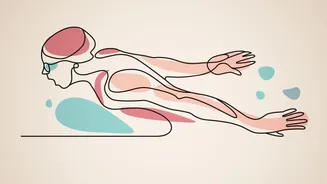
Ready to get started? There are numerous effective and enjoyable low-impact options available. Swimming is often considered the gold standard, providing a full-body workout with virtually zero impact thanks to the water's buoyancy. Cycling, whether on a stationary bike or outdoors, is another fantastic choice that builds endurance and strengthens the lower body without straining the knees. Elliptical trainers are designed to mimic the motion of running but without the impact, making them a popular gym staple. Even simple power walking is a highly effective and accessible form of low-impact cardio that can be done almost anywhere. Other great options include rowing, water aerobics, and using a stair-climbing machine at a steady pace.
Getting Started the Right Way
As with any new fitness routine, it's wise to start slowly and prioritize proper form. If you're new to exercise or have pre-existing health conditions, it's always a good idea to speak with a healthcare professional first. Begin with shorter sessions, perhaps 20-30 minutes, and gradually increase the duration and intensity as your fitness improves. Pay attention to your body; while it's normal to feel your muscles working, you shouldn't feel sharp or persistent joint pain. For activities like cycling or rowing, ensure your machine is set up correctly to fit your body to prevent strain. The goal is to build a sustainable habit that supports your health for years to come, not to push yourself to the point of injury.