






In any Indian kitchen, the aroma of spices is the first sign of a meal in progress. Two fundamental techniques, tempering and dry-roasting, are key to unlocking these flavours, but they are often confused. So what's the difference?
What is Dry-Roasting (Bhunana)?
Dry-roasting, known
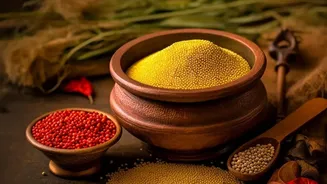
in Hindi as 'bhunana', is the process of heating whole spices in a heavy-bottomed pan without any oil or fat. The goal is to gently toast the spices over a low to medium heat, keeping them moving constantly to prevent burning. This simple act has a transformative effect. It evaporates any residual moisture, making spices crisper and easier to grind. More importantly, the gentle heat awakens the dormant essential oils within the spices, causing them to become intensely aromatic. The process triggers chemical changes that create deeper, nuttier, and more complex flavours, while softening any raw or bitter notes. Cumin seeds become smoky and warm, while coriander seeds turn more citrusy and sweet. This technique is most often a preparatory step, done just before grinding spices to create fresh, potent masala blends like garam masala or sambar powder.
What is Tempering (Tadka)?
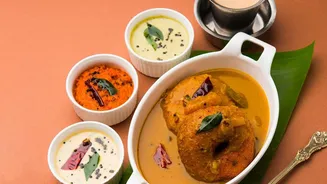
Tempering, widely known as 'tadka' or 'chaunk', is a finishing or foundational technique where whole or ground spices are briefly fried in hot fat, like ghee or oil. This method isn't about cooking the spices for a long time; it's a quick, high-heat process designed to extract the fat-soluble flavour compounds and infuse them into the oil. As the spices hit the hot fat, they sizzle, pop, and crackle, releasing their aromatic volatile oils almost instantly. This fragrant, flavour-packed oil is then poured over a finished dish, such as dal, raita, or chutney, or used as the flavour base at the very beginning of the cooking process. Common spices used in tadka include mustard seeds, cumin seeds, dried red chillies, and curry leaves, which add a final layer of aroma, flavour, and even texture to the dish.
The Core Difference: Dry Heat vs. Hot Fat
The fundamental distinction between the two methods lies in the medium used to transfer heat. Dry-roasting uses only the dry heat of the pan itself. This process slowly coaxes out flavour, changing the chemical composition of the spice to create a toastier, deeper profile. It is about transforming the spice itself before it is incorporated into a dish. Tempering, on the other hand, uses hot fat as a vehicle. The primary goal isn't just to heat the spice, but to get the spice's flavour into the fat. The fat becomes a carrier, distributing the extracted essences evenly throughout the entire dish. Think of it this way: dry-roasting changes the ingredient, while tempering creates a flavour-infused medium.
When and Why to Use Each
Knowing when to use each technique is key to mastering Indian cuisine. Use dry-roasting when you are preparing a spice blend from scratch. Roasting whole spices before grinding them ensures your homemade masalas have a superior, complex, and rounded flavour that you can't get from pre-ground powders. It's the secret behind the most aromatic garam masalas and curry powders. Use tempering when you want to add a final, dramatic layer of flavour and aroma to a dish. A tadka poured over a simple dal elevates it instantly, adding a sizzle and scent that makes the dish come alive. It’s also used at the start of cooking many sabzis and curries, where the bloomed spices create the foundational flavour upon which the rest of the dish is built.
Unlocking a World of Flavour
While both techniques apply heat to spices, the results are wonderfully different. Dry-roasting gives spices a nutty, earthy, and smoky character, perfect for creating robust flavour bases in powdered form, like in bhuna jeera powder. This roasted powder can then be sprinkled on dishes like raita or chaat for a distinct, smoky finish. Tempering provides a more immediate and sharp burst of flavour. The hot, infused oil not only carries the spice's primary notes but can also add a textural crunch, particularly when dals or mustard seeds are used. A tadka provides a bright, aromatic top note that hits the senses just before you eat, making the dish feel fresh and vibrant.