







The Official Forecast
The India Meteorological Department (IMD) has predicted an active monsoon spell over northwest India through the weekend and into early next week. According to its latest bulletins, heavy rainfall is expected at isolated places across several states on Sunday,
July 12. These spells of rain are likely to be accompanied by thunderstorms and gusty winds, creating hazardous conditions in some areas. The increased rainfall is due to a combination of weather systems, including a western disturbance and the monsoon trough's current position. While this rain might offer a brief respite from humidity in some places, the intensity in other regions calls for significant caution.
Which States Are on High Alert?
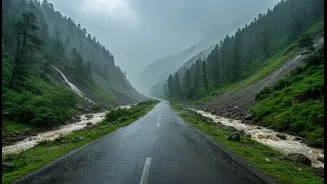
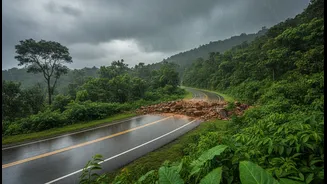
The IMD has singled out several states where the impact is expected to be most pronounced. The hilly states of Uttarakhand and Himachal Pradesh are on particularly high alert. Recent days have already seen incidents of landslides and blocked highways in these regions due to heavy downpours. In Uttarakhand, authorities have warned of potential landslides, rockfalls, and rising river levels, with several districts connected to the Char Dham Yatra pilgrimage route under close watch. Heavy rainfall warnings have also been issued for parts of Punjab, Haryana, Chandigarh, and Delhi-NCR. Eastern Uttar Pradesh is also expected to receive heavy showers. Residents in all these areas are advised to stay updated with local weather advisories.
Potential Risks and Disruptions
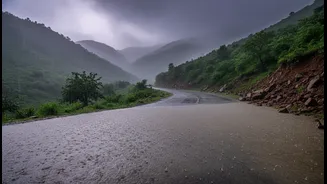
The primary concerns associated with this weather pattern are landslides in mountainous areas and waterlogging in cities and low-lying regions. In places like Delhi, Chandigarh, and other urban centres, heavy spells of rain can lead to significant traffic congestion and temporary flooding of underpasses and roads. For those in or near the Himalayan states, the risks are more severe. Landslides have already blocked numerous roads, including national highways in Uttarakhand and Himachal Pradesh, disrupting travel and stranding people. The collapse of a bridge in Sangla, Himachal Pradesh, highlights the potential for infrastructure damage. Authorities warn that continuing rain could exacerbate these issues, making travel unpredictable and dangerous.
Advice for Travellers and Residents
Given the forecast, postponing non-essential travel, especially to hilly destinations, is highly recommended. If you must travel, check the status of your route beforehand and allow for extra time. Avoid driving through waterlogged areas and stay away from overflowing rivers and streams. In landslide-prone zones, be vigilant for falling debris. Residents in urban areas should ensure their home drainage is clear and be prepared for potential power cuts. Keep a small emergency kit with essentials like a torch, first-aid supplies, and charged power banks. It is also wise to avoid sheltering under trees or near electricity poles during thunderstorms.
How to Stay Informed
Weather conditions can change rapidly during the monsoon. The most reliable source of information is the India Meteorological Department (IMD), which provides regular updates through its website (mausam.imd.gov.in) and its official social media channels. Local news outlets and state disaster management authority websites are also valuable resources for specific advisories related to your area. Before heading out, check real-time traffic updates on navigation apps to avoid getting stuck in jams caused by waterlogging or other disruptions. For those with flights or trains booked, it's a good practice to check with the airline or railway for any weather-related delays or cancellations. Being proactive and informed is the best way to stay safe during this period of intense monsoon activity.