




Embracing the Last of the Rains
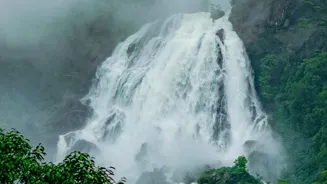
September marks the tail-end of the monsoon in many parts of India. While this means you should pack a raincoat, it also ushers in some of the most beautiful scenery of the year. The landscape is a vibrant, fresh green, waterfalls are at their peak, and the air
is clean. Destinations in the Western Ghats like Coorg, Kodaikanal, and Lonavala are exceptionally beautiful, offering misty mornings and verdant vistas. The key is to see the rain not as a disruption, but as part of the experience. Fewer tourists mean lower prices and a more tranquil atmosphere. However, be cautious in hilly regions, especially in states like Uttarakhand, as lingering heavy rains can increase the risk of landslides and localised flooding. Always check local weather advisvisories before heading out on treks or long drives.
Managing Post-Monsoon Heat and Humidity
In regions where the monsoon has withdrawn, such as Rajasthan and parts of North India like Delhi, September can bring a different challenge: heat and humidity. Temperatures can climb, and the combination can be draining if you’re not prepared. The golden rule for travelling in these conditions is to structure your day around the heat. Plan your sightseeing and outdoor explorations for the early morning and late evening when temperatures are cooler. Use the afternoon to relax, visit indoor attractions like museums, or enjoy a leisurely lunch. Pack lightweight, breathable fabrics like cotton and linen to stay comfortable. Hydration is crucial; carry a water bottle and supplement with electrolyte drinks or natural alternatives like coconut water to combat dehydration. A wide-brimmed hat and sunscreen are non-negotiable accessories.
Understanding the Risk of Storms
The post-monsoon period, from September to December, is also a primary season for cyclonic storms, particularly in the Bay of Bengal, which affects the east coast of India. While cyclones are less frequent in the Arabian Sea, the risk isn't zero. This doesn't mean you must avoid coastal areas, but it does require a degree of flexibility and vigilance. If your heart is set on a beach holiday in a place like Pondicherry or parts of Odisha, it's vital to monitor weather forecasts from the India Meteorological Department (IMD) before and during your trip. Have a backup plan in place and consider booking flexible flights and accommodation. If a storm is forecast, it is crucial to follow the guidance of local authorities and prioritise your safety above all else.
The Sweet Spot: Where to Go
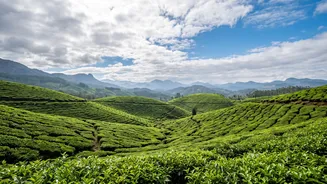
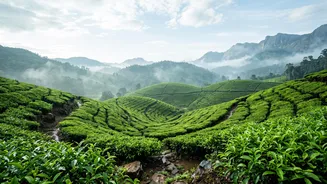
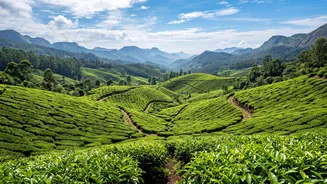
With this mix of weather, choosing the right destination is everything. For mountain lovers, September is considered an ideal time to visit high-altitude deserts like Spiti Valley and Ladakh, as the roads are generally clear and the skies are crisp. For those seeking culture, Rajasthan's cities like Udaipur and Jaipur are great options, as the monsoon has washed the landscape clean, leaving behind pleasant, drier weather. In the North East, Ziro Valley in Arunachal Pradesh hosts its famous music festival amidst lush post-monsoon rice fields. South Indian hill stations such as Munnar, Coorg, and Ooty are spectacularly green and inviting, though you should be prepared for occasional showers.
Your September Solo Travel Checklist
Being prepared ensures you can handle whatever the weather throws at you. For a solo trip in September, your packing list should be versatile. Include a lightweight waterproof jacket and quick-drying footwear for rainy destinations. For warmer zones, pack loose cotton or linen clothes, a wide-brimmed hat, sunglasses, and a high-SPF sunscreen. A basic first-aid kit with rehydration salts (ORS) is a smart addition. From a planning perspective, book flexible or refundable travel and accommodation where possible. Share your itinerary with a friend or family member, especially if you're heading to more remote areas. Lastly, download a reliable weather app and make it a habit to check the forecast daily.