



The Mountain of Zesty Waste
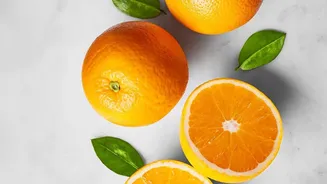
Think about how many oranges, lemons, and limes are used globally every day, especially for making juice. The result is millions of tonnes of leftover peels. For decades, this massive byproduct of the citrus industry was seen as little more than waste,
often destined for cattle feed at low value or simply discarded. This represents a huge loss of potential nutrients and a significant environmental burden. In a world increasingly focused on sustainability and reducing waste, innovative chefs, food scientists, and companies started asking a simple question: can we do better? The answer, it turns out, was hiding in plain sight in the peel itself.
Upcycling: A Peel's Second Act
Enter the concept of upcycling. Unlike recycling, which often breaks down materials into a lower-quality form, upcycling transforms waste into a product of higher value or quality. Applying this to citrus peels is a game-changer. Sustainable kitchens, from large-scale food manufacturers to eco-conscious restaurants, are now looking at peels as a raw material. Companies have developed processes to convert this citrus 'waste' into high-value ingredients. These include powders and fibres that can be used in a wide range of food products, turning a potential pollutant into a profitable and planet-friendly resource. This movement redefines waste, viewing it instead as an underutilised asset.
The Science of a Happy Gut
The most exciting part of this trend lies in the surprising health benefits packed into the peel. Orange peels are an incredible source of pectin, a type of soluble fibre. Research has shown that this pectin has powerful prebiotic properties. Unlike probiotics, which are live beneficial bacteria, prebiotics are the food that these good bacteria need to thrive. When you consume these prebiotic fibres, you're feeding the healthy microbes in your large intestine, like Bifidobacterium and Lactobacillus. This helps create a balanced gut microbiome, which is crucial for good digestion, a strong immune system, and even reduced inflammation.
More Than Just Fibre
The benefits don't stop at prebiotics. Orange peels are also rich in polyphenols and flavonoids, which are compounds with strong antioxidant and anti-inflammatory properties. These compounds help protect your body from oxidative stress, which is linked to various chronic health issues. Some studies also suggest that compounds in orange peel can help improve digestive motility, reducing symptoms like bloating, and even play a role in heart health by positively influencing the gut microbiome. So, by upcycling these peels into food, we're not just saving waste; we're recovering a powerhouse of nutrients.
From Peel to Plate
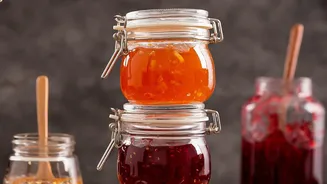
So how exactly does a tough peel become a 'gut-friendly spread'? The process often involves drying and milling the peels to create fine powders or fibres. Specialised companies like Ingredion and PeelPioneers are creating citrus fibres that serve as natural thickeners, stabilisers, and texturisers in the food industry. These ingredients can be used to improve the texture of products like baked goods, sauces, plant-based meats, and, yes, spreads, all while boosting their fibre content. This is a far cry from the classic, sugar-heavy marmalade—it's a high-tech, health-focused application that leverages the peel's natural gelling agent, pectin. Even at home, zesting an orange into a dressing or dish is a simple form of upcycling that adds flavour and a small nutritional kick.