
The Overlooked Treasure in Our Kitchens
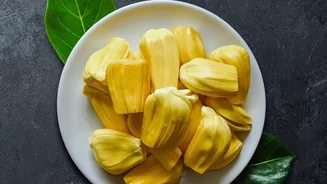
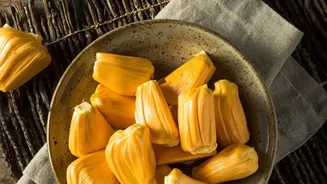
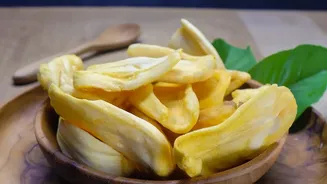
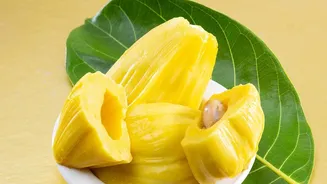
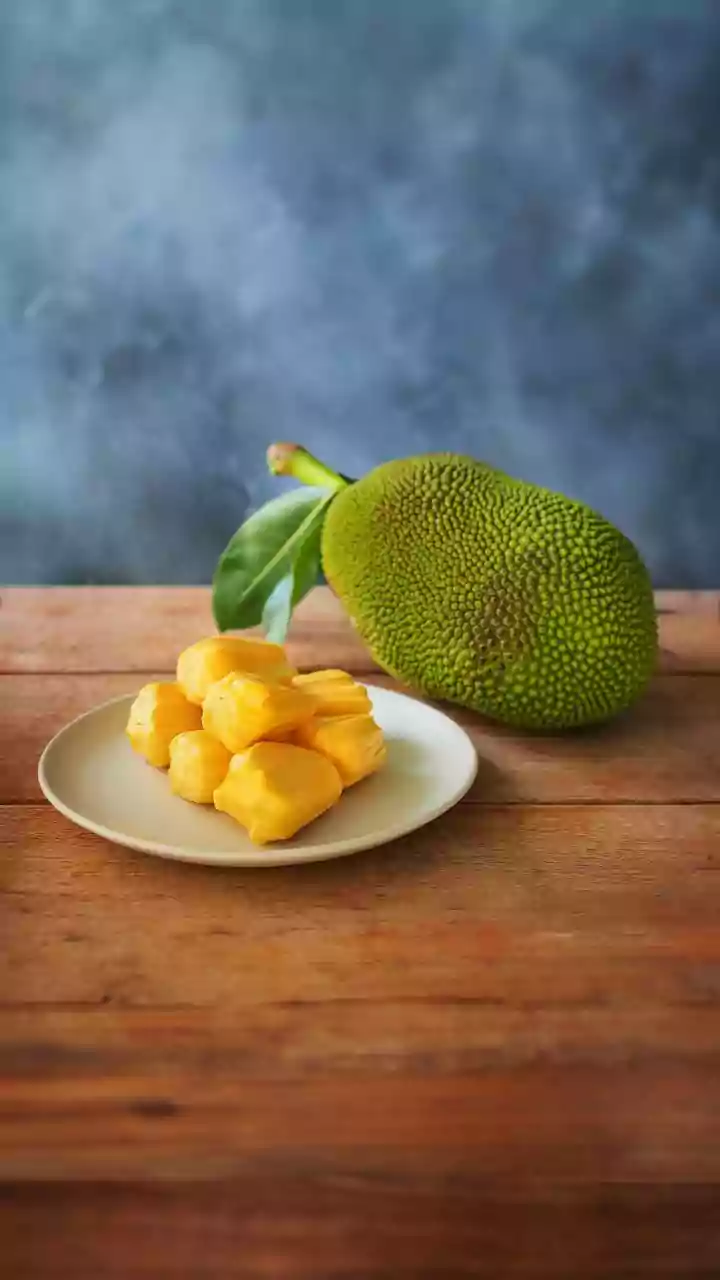
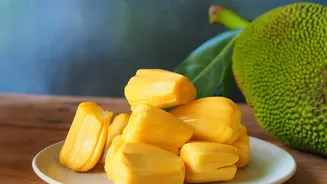
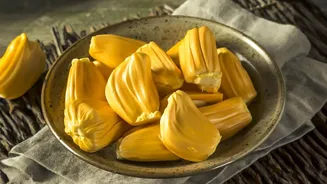
In India, the world's largest producer of jackfruit, the spiky green fruit is a celebrated part of our culinary landscape. From savoury curries made with raw jackfruit to the sweet, fragrant pods of the ripe fruit, nearly every part is used—except, often,
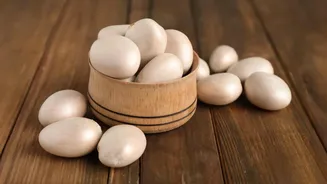
the seeds. A single fruit can contain anywhere from 100 to 500 seeds. Billions of these nutritious seeds are discarded annually during processing and consumption, contributing to significant food waste. But what if this supposed waste product was actually a hidden gem? As consumers increasingly seek sustainable and nutrient-dense foods, innovators are turning their attention to these overlooked seeds, uncovering a powerhouse of nutrition waiting to be unlocked.
From Discarded Seed to Pantry Staple
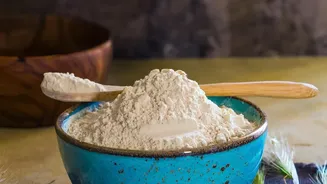
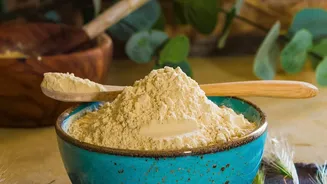
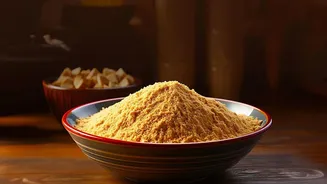
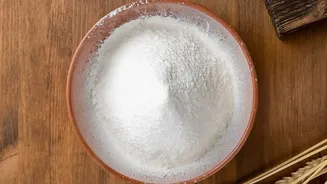
The transformation from a slippery seed into a fine, bake-ready flour is a straightforward process of upcycling. First, the seeds are thoroughly cleaned and then boiled or roasted for 20-30 minutes until tender. This cooking step is crucial as it neutralizes certain antinutrients that can hinder mineral absorption. Once cooked and cooled, the thin outer peel is removed, and the seeds are sliced or grated to speed up drying. They are then dehydrated, either by sun-drying or in an oven, until all moisture is gone. The final step is grinding the dried pieces into a fine, versatile powder. The resulting flour has a mild, slightly nutty flavour that blends seamlessly into various recipes. This simple, low-tech process makes it a viable value-added product for farmers and small-scale entrepreneurs.
A Nutritional Boost for Your Bakes
Jackfruit seed flour isn't just a sustainable choice; it's a nutritional powerhouse. It is naturally gluten-free, making it an excellent alternative for individuals with celiac disease or gluten sensitivity. Its standout feature is its high protein content, which is notably higher than many common gluten-free flours like rice or tapioca flour. Some studies show the protein content of dried seeds can be as high as 21%. The flour is also rich in dietary fibre and resistant starch, which aid digestion, help manage blood sugar levels, and feed beneficial gut bacteria. Furthermore, it is a good source of essential minerals like potassium, magnesium, calcium, and iron, making every baked good a little more nourishing.
The Modern Baker’s New Ally
For the modern urban baker, jackfruit seed flour offers a new world of possibilities. Its versatility is one of its greatest strengths. The flour can be used in a wide array of sweet and savoury items, including cookies, muffins, pancakes, and even pasta. Due to the absence of gluten, it won't behave exactly like wheat flour, but it has excellent water and oil absorption properties, which can result in moist and tender baked goods. For many recipes, it works best when blended with other flours. Studies and home bakers have found success by substituting 10-30% of wheat or other gluten-free flours with jackfruit seed flour. This simple swap enhances the nutritional profile—increasing protein and fibre—without compromising on taste or texture. It has been successfully used to make everything from phulkas to gluten-free biscuits.
More Than a Flour: A Sustainable Future
The rise of jackfruit seed flour is part of a larger, more significant movement towards a circular economy and reducing food waste. By creating a valuable product from something typically thrown away, it provides an additional income stream for farmers and reduces the environmental burden of food waste. This model of valorisation—turning waste into value—is crucial for food security and sustainability. It represents a smart, eco-conscious approach to food production that aligns perfectly with the values of modern consumers who are not just interested in what's on their plate, but also the story and impact behind it. This humble flour is proof that some of the most innovative solutions are hidden in plain sight.