

The Silent Health Crisis on Our Plates
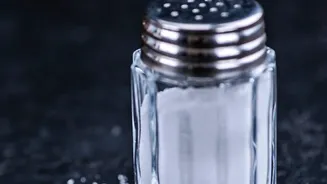
The numbers are startling. The average Indian consumes between 8 and 11 grams of salt daily, more than double the World Health Organization's (WHO) recommended limit of 5 grams. This isn't just a statistic; it's a primary driver of a national public health
crisis. Excess sodium intake is directly linked to high blood pressure (hypertension), which affects nearly one in three Indian adults and is a leading cause of heart disease, stroke, and kidney failure. Alarmingly, these conditions are no longer limited to the elderly, with hypertension rates rising even among adolescents. The problem is often hidden in plain sight, lurking in pickles, papads, sauces, and processed foods that form a regular part of our diet.
A New Proposal: The 'Dietary Vaccine'
In response, a group of India's top cardiologists, public health experts, and nutritionists have endorsed a practical solution: promoting the widespread use of potassium-enriched, low-sodium salt substitutes (LSSS). This proposal, which follows WHO guidelines, suggests replacing a portion of the sodium chloride in regular salt with potassium chloride. The resulting product looks, tastes, and cooks like regular salt but contains about 25-30% less sodium. One expert from AIIMS, New Delhi, has even called it a 'dietary vaccine' for hypertension—a passive intervention that could provide 24/7 cardiovascular protection without forcing people to sacrifice the taste of their food. Studies have shown this simple switch can reduce the risk of stroke by 14% and deaths from cardiovascular disease by 12%.
Understanding Low-Sodium Salt
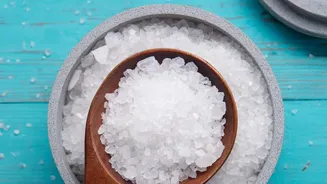
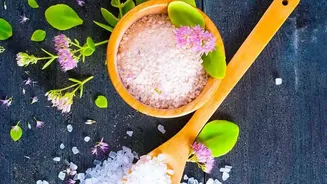
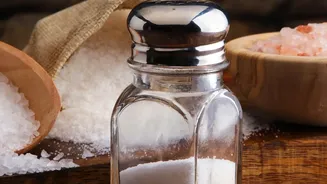
So, what exactly is this lower-sodium salt? It’s a blend where some of the sodium chloride (the main component of table salt) is replaced with potassium chloride. This formulation tackles two problems at once: it lowers the intake of sodium, which raises blood pressure, and increases the intake of potassium, a mineral that helps counteract sodium's effects and relax blood vessels. Most Indians have a diet low in potassium, making this switch doubly beneficial. However, it’s important to note that while LSSS is safe for most people, individuals with severe kidney disease or those on specific medications should consult their doctor before making the switch, as they may have difficulty processing the extra potassium.
Beyond the Saltshaker: Practical Ways to Cut Sodium
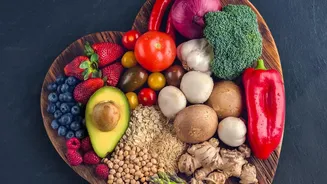
While switching your salt is a great step, reducing overall sodium requires a wider approach, as much of it is hidden. The Food Safety and Standards Authority of India (FSSAI) recommends several simple habits. First, avoid adding extra salt to dough for rotis, salads, or curd; learn to enjoy their natural flavours. Second, be mindful of high-sodium accompaniments like pickles, papads, chutneys, and sauces. Third, check the labels on packaged foods and choose lower-sodium options when possible. Processed foods like chips, instant noodles, and even bread can be significant sources of hidden sodium. Finally, when cooking, try boosting flavour with other ingredients. Using fresh herbs, spices like cumin and coriander, and acidic elements like lemon juice or amchur can create rich, tasty meals without relying heavily on salt.