






The End of the Lone Wolf Workout
For decades, the dominant fitness narrative was about discipline, data, and individual achievement. It was about hitting personal bests, counting calories, and pushing through the pain barrier alone. This 'lone wolf' approach, often fuelled by a hyper-individualistic
culture, saw the gym as a place of personal battle. But that model is starting to feel outdated and, for many, deeply uninspiring. Today, a new philosophy is taking hold, one that values connection as much as reps and sets. The rise of 'social fitness'—from group dance classes and community running clubs to team-based sports leagues for adults—is reframing exercise not as a chore to be endured, but as a vibrant social activity to be shared. People are looking for more than just a workout; they’re searching for a tribe.
Why Community Is the New Core Strength
So, what's driving this change? A major catalyst was the global pandemic. Extended periods of isolation left people across India with a deep-seated 'social hunger'. We craved real-world interactions, and fitness became a natural, healthy outlet for that. Suddenly, a Zumba class or a weekend trek wasn't just about burning calories; it was a lifeline to community. This is coupled with a growing emphasis on mental health. The understanding that loneliness and a sedentary lifestyle are detrimental to our well-being is now mainstream. Social exercise directly tackles both. It provides accountability, motivation, and a powerful sense of belonging that a treadmill simply can't offer. Studies have shown that people who work out with a group are more likely to stick with their routine, push themselves harder (in a supportive environment), and report higher levels of enjoyment. The shared energy of a group, the laughter, and the post-workout chai are powerful motivators.
From 'No Pain, No Gain' to 'Just Joy'
This trend is also about rejecting the punishing, often guilt-ridden 'no pain, no gain' mantra of the past. For many, especially millennials and Gen Z, wellness is a holistic concept that encompasses mental and emotional happiness, not just physical aesthetics. The goal is shifting from looking a certain way to *feeling* a certain way—energised, happy, and connected. This is a move away from 'punishment fitness', where exercise is seen as penance for what you ate, towards 'joyful movement'. The question is no longer 'How many calories did I burn?' but 'Did I have fun?'. This kinder, more intuitive approach is freeing people from the pressure of impossible beauty standards and the cycle of starting and quitting punishing regimes. Fitness becomes sustainable when it’s a source of pleasure, not another source of stress in an already stressful life.
How India Is Moving Together
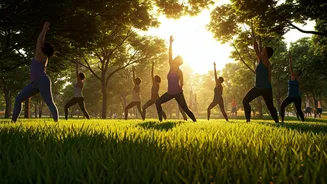
This movement is visible all across urban India. Fitness platforms like Cult.fit have built their brand around high-energy group classes that feel more like a party than a workout. Dance fitness formats, from Bhangra and Garba-inspired sessions to salsa and contemporary, are booming because they combine culture, music, and movement. Beyond organised classes, community-led initiatives are flourishing. Running groups meet at dawn in cities like Mumbai and Bengaluru, creating bonds that extend far beyond the finish line. Trekking clubs explore nearby hills and forts every weekend. Neighbourhood parks are filled with groups practising laughing yoga or playing badminton. Amateur sports leagues for cricket, football, and basketball provide a competitive yet friendly outlet for adults to reconnect with the joy of play. This isn't just about fitness; it's about reclaiming public spaces and building social fabric, one game, one run, one dance at a time.