


The Joy of One-Bowl Baking
For generations, the gold standard for cake baking involved a time-consuming process: creaming butter and sugar until light and fluffy, adding eggs one by one, then alternating additions of dry and wet ingredients. It’s a method that produces wonderful
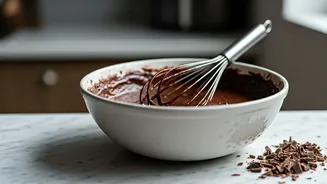
results but requires patience and creates a sink full of dirty bowls and beaters. The modern, faster approach throws that convention out the window. The one-bowl method is exactly what it sounds like: a streamlined process where all ingredients are mixed in a single bowl, often with just a whisk. This isn’t a shortcut that compromises on quality; it’s a smart, science-based technique that delivers a cake that is just as moist, tender, and intensely chocolatey as its more complicated counterpart.
The Science of Speed and Flavor
Two key elements make this quick cake magic possible: oil and hot liquid. While butter provides flavor, it requires creaming to incorporate air. Oil, on the other hand, is a pure fat that coats flour proteins, inhibiting gluten development and guaranteeing a moist, tender crumb without any mechanical effort. It’s simply whisked in with the other liquid ingredients. The second secret is using hot water or coffee. This technique, known as “blooming,” does wonders for cocoa powder. When you add hot liquid to the cocoa, it helps the powder dissolve fully, releasing its deepest, most robust chocolate flavors. It also melts the sugar, creating a smooth, lump-free batter. The result is a richer, darker, and more aromatic cake than you’d get from simply mixing cocoa in with the dry flour.
Your Step-by-Step Guide
Ready to try it? The process is beautifully simple. Grab your largest mixing bowl. Into it, you’ll whisk together all the dry ingredients: all-purpose flour, sugar, unsweetened cocoa powder, baking soda, baking powder, and a pinch of salt. Give it a good whisk for about 30 seconds to ensure everything is evenly distributed—this acts as your sifting step. Now, in a large measuring jug or separate bowl (the only other dish you might need, though you can often eyeball it), combine the wet ingredients: eggs, milk, vegetable oil, and a dash of vanilla extract. Pour the wet mixture into the dry ingredients and whisk until just combined. Don’t overmix! Finally, slowly pour in a cup of very hot water or brewed coffee, whisking gently until the batter is smooth and thin. That’s it. Your cake batter is ready for the pan.
Avoiding Common Mistakes
This method is nearly foolproof, but a few tips can guarantee perfection. The most common mistake is overmixing. Once you combine the wet and dry ingredients, you’re developing gluten. Mix only until you no longer see streaks of flour. A few small lumps are perfectly fine. The thinness of the batter can also be surprising to first-timers. Don’t be alarmed; this is what creates the signature moist and tender texture. Trust the process. Lastly, be sure to properly grease and flour your cake pan or line it with parchment paper. This type of moist cake can be prone to sticking, and a clean release is essential for a beautiful final product.
A Frosting That's Just as Fast
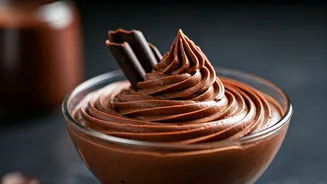
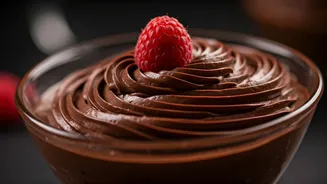
A speedy cake deserves an equally speedy frosting. Forget the powdered sugar explosion of traditional buttercream. The perfect companion is a simple two-ingredient chocolate ganache. To make it, gently heat 250 ml of heavy cream in a saucepan or the microwave until it’s steaming but not boiling. Pour the hot cream over 250 grams of chopped semi-sweet or dark chocolate in a bowl. Let it sit for five minutes without stirring to allow the chocolate to melt. Then, start whisking from the centre, slowly incorporating all the cream until you have a smooth, glossy ganache. Let it cool and thicken at room temperature for about an hour, and it will be the perfect consistency for spreading over your cooled cake.