


Timing Your Cosmic Window
The best time for an astrophotography expedition to Spiti is from late May to early October. During these months, the high-altitude passes are open, and the skies are exceptionally clear, as the valley sits in a rain-shadow area, largely unaffected by
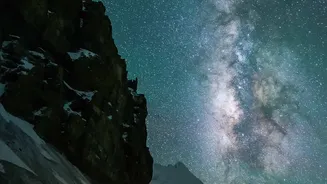
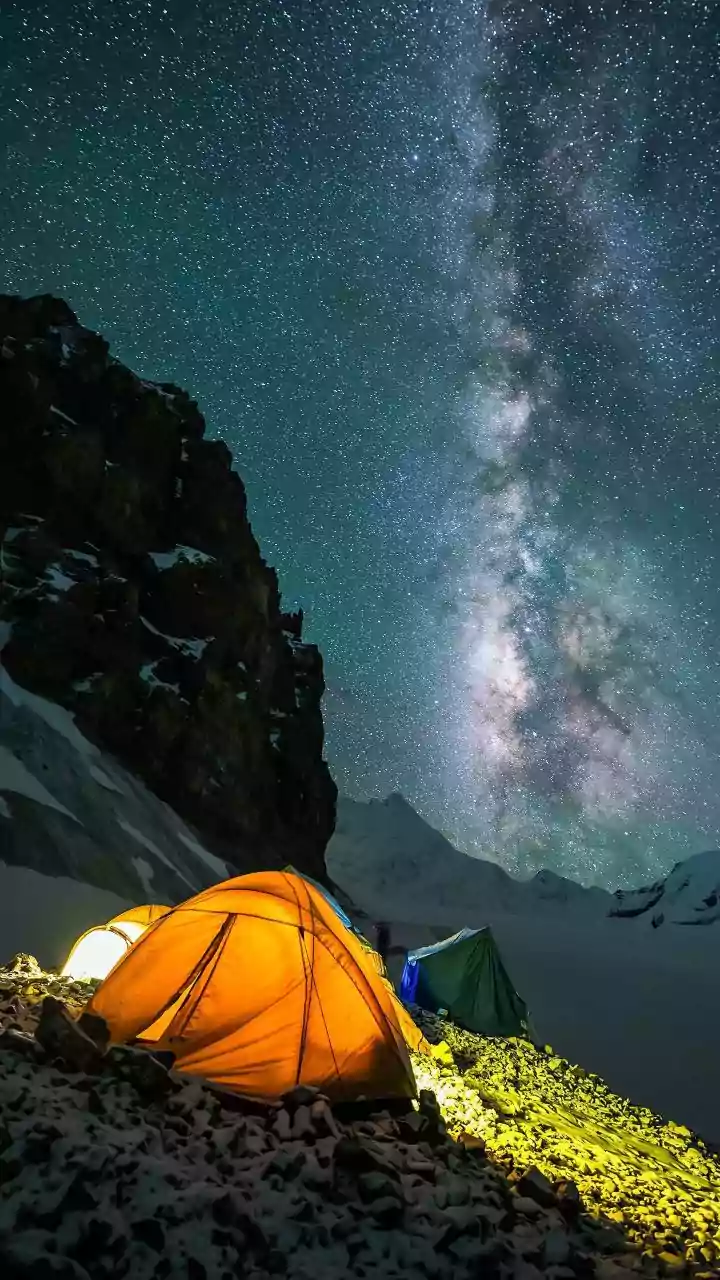
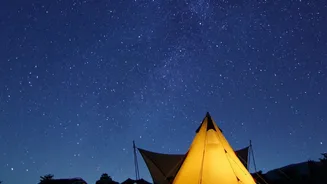
the monsoon. For the best views of the Milky Way's galactic core, plan your trip around the new moon phase to ensure maximum darkness. July, August, and September are often considered the peak months for visibility and manageable temperatures, though nights are always cold. October offers incredibly crisp air but be prepared for temperatures to drop significantly, sometimes below -10°C.
Charting Your Route and Acclimatizing
You can reach Spiti Valley via two main routes: from Manali or from Shimla. The Manali-Kaza route is shorter (around 200 km) but involves a rapid ascent, which increases the risk of Acute Mountain Sickness (AMS). The recommended route for better acclimatization is the longer road from Shimla via Kinnaur (around 450 km). This gradual ascent over several days allows your body to adjust to the high altitude. Plan for at least two nights in Kaza (around 3,800 metres) to acclimatize before heading to even higher villages. Altitude sickness is a serious risk; stay hydrated, avoid alcohol initially, and ascend slowly. Indian nationals do not require any special permits to enter Spiti, just a valid government ID for checkposts.
Essential Astrophotography Gear
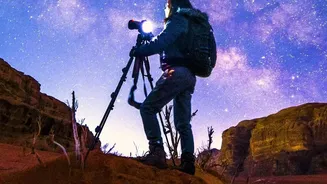
Packing the right equipment is crucial. Your core kit should include a DSLR or mirrorless camera with manual mode capabilities, a sturdy tripod to handle potential wind, and a wide-angle lens with a fast aperture (f/2.8 or wider is ideal). An intervalometer or remote shutter will help you take long exposures without touching the camera. Because the cold drains batteries quickly, bring several spares and keep them warm in an inner jacket pocket. Finally, a headlamp with a red-light mode is essential for adjusting your settings without ruining your night vision.
Choosing Your Celestial Sanctuary
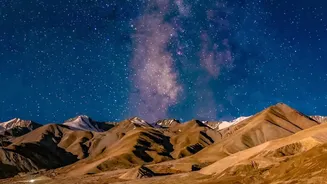
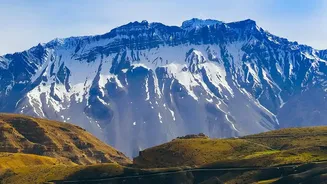
While almost anywhere in Spiti offers incredible views, certain villages are legendary among photographers. Langza, with its iconic Buddha statue, provides a stunning foreground against the Milky Way. Kibber, Komic, and Hikkim are among the highest inhabited villages in the world, offering exceptionally dark and clear skies. Chandratal, the 'Moon Lake', is another top spot, famous for its breathtaking reflections of the stars on calm nights, though it is only accessible from about June to September. For a more controlled experience, Kaza is now home to a public dome observatory. Many photographers choose to stay in homestays or specialized camps in these villages to be close to the action.
Camera Settings for the Cosmos
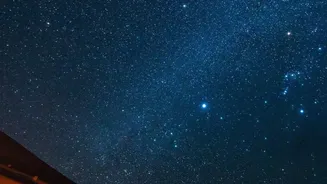
Capturing the stars requires a specific set of manual camera settings. Start with your aperture wide open (e.g., f/1.8 or f/2.8) to let in as much light as possible. Set your shutter speed between 15 and 25 seconds; any longer and you'll start to see star trails due to the Earth's rotation. Your ISO will likely need to be in the 1600-3200 range, depending on your lens and the ambient light. Focusing can be tricky in the dark. Use your camera's live view, digitally zoom in on a bright star, and manually adjust the focus until the star is a sharp pinpoint. Set your white balance to a Kelvin temperature between 3400K and 4400K to achieve a natural-looking night sky.
Respectful and Responsible Travel
Spiti is a fragile high-altitude desert ecosystem and home to a unique culture. When visiting, it's vital to be a responsible traveler. Always ask for permission before photographing people, especially monks and elders. Dress modestly when visiting monasteries. Minimize your plastic waste by carrying a reusable water bottle and packing out what you pack in. Staying in local homestays is a great way to support the community directly and experience authentic Spitian hospitality.