




The Reality of Monsoon Travel
A packed, minute-by-minute itinerary is a recipe for disappointment during the Indian monsoon. The season’s charm is matched only by its power to disrupt. Sudden, intense downpours can lead to waterlogged city streets, bringing traffic to a standstill
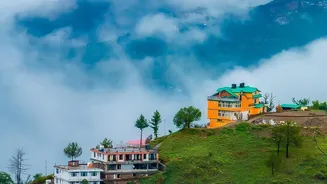
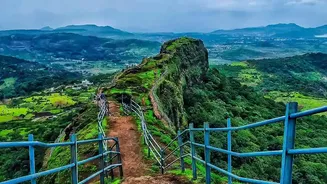
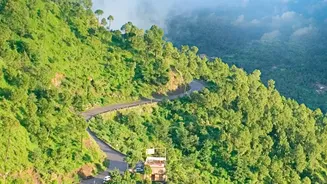
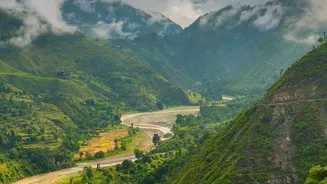
for hours. In hilly regions like the Western Ghats or the Himalayas, the risk is more severe. Landslides are a common occurrence, capable of closing major highways with little to no warning. For example, popular monsoon destinations like Mahabaleshwar and Lonavala have recently faced road closures due to landslides and subsidence, forcing travellers to find alternative routes or cancel plans entirely. Similarly, regions in Himachal Pradesh and Uttarakhand often experience blocked roads due to debris. Flights and trains are not immune, frequently facing delays or cancellations due to poor visibility and flooded tracks, which can have a domino effect on your tightly scheduled plans.
Building a 'Maybe' Itinerary
Instead of a rigid schedule, adopt a more fluid approach. Think of your plan as a list of possibilities rather than a set of fixed appointments. Start by creating two lists for your destination: 'must-dos' and 'nice-to-haves'. Your must-dos should be the core experiences you don't want to miss, while the second list contains attractions you’d enjoy if time and weather permit. This mindset shifts the focus from ticking off a checklist to savouring the opportunities that arise. Each morning, check the local weather forecast and road conditions before deciding on the day's adventure. If the skies are clear, prioritise your most important outdoor activity. If it's pouring, you can turn to your list of indoor alternatives without feeling like your day is ruined.
Smart Booking for a Fluid Trip
Flexibility starts before you even leave home. When booking accommodation, look for hotels with generous cancellation or rescheduling policies. This gives you an exit strategy if weather conditions at your destination deteriorate significantly before your arrival. The same applies to inter-city transport where possible. More importantly, build buffer days into your trip. A buffer day isn't an 'empty' day; it's a strategic cushion. It can absorb a full day of travel delays without forcing you to sacrifice a planned activity. If your journey goes smoothly, this extra day becomes a bonus—a chance to relax, revisit a favourite spot, or explore something completely unplanned.
Embrace the Unexpected Detour
A flexible itinerary allows you to turn a potential disaster into an unexpected adventure. A washed-out road doesn't have to mean a day spent frustrated in your hotel room. It could be an opportunity to explore the small town you're in, discover a local market you would have otherwise driven past, or spend an afternoon in a charming café enjoying the rain. Some of the best travel memories are born from spontaneity. By not being mentally committed to a single plan, you remain open to these possibilities. This approach allows you to work with the monsoon, not against it. The goal is to enjoy the journey in its entirety, including the quiet moments and surprising turns it may take.
Practical Tools for a Flexible Journey
To make this approach work, a little preparation is needed. Pack for all possibilities with lightweight, quick-drying clothes, a reliable raincoat, and waterproof footwear with good grip. Keep a 'rainy day' kit of indoor activities, like a book, downloaded movies, or a card game. Always have digital and physical copies of your important documents in a waterproof bag. Stay connected with reliable weather apps and local news alerts for real-time information on conditions. Finally, carry some extra cash, as ATM access can become difficult in remote areas during heavy rain. These simple preparations empower you to adapt to changing circumstances with confidence and ease.