




The Challenge of Monsoon Humidity
The monsoon brings welcome relief from the heat, but the accompanying humidity creates a perfect breeding ground for mould and bacteria. This is especially challenging for delicate foods. Leafy greens wilt, herbs turn slimy, and soft vegetables spoil
at an alarming rate. While a big grocery haul seems efficient, for these perishable items, it often leads to waste. The key isn't to avoid them altogether, but to change your strategy. It's about buying smaller quantities more frequently and having a clear plan to use them before they turn. This approach not only saves money but ensures you're eating fresh, safe food.
Mastering Leafy Greens
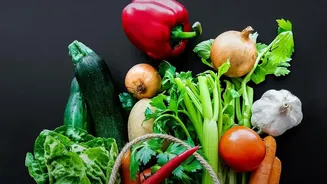
Leafy greens like spinach (palak), fenugreek (methi), and amaranth are notorious for spoiling quickly in damp weather. It’s generally advised to be cautious with greens during this season as they grow close to the soil and can harbour more germs. If you do buy them, purchase only what you can use in a day or two. To extend their life, proper storage is crucial. Avoid washing them until you're ready to cook. A popular method is to wrap unwashed greens in a paper towel to absorb excess moisture before placing them in a breathable bag in the refrigerator. This simple step can keep them crisp for a little longer, giving you time to turn them into a quick palak paneer, a simple dal, or add them to an omelette.
The Art of Using Fresh Herbs
A small bunch of coriander (dhania) or mint (pudina) can elevate any dish, but they often wilt before you can use them all. Don't let these flavour powerhouses go to waste. Fresh herbs are nutritionally similar to leafy greens, packed with vitamins. To make the most of them, think beyond garnish. Blend a handful of coriander and parsley with oil to create a vibrant green sauce for pasta or rice. Make a simple herb butter by melting butter with chopped mint or rosemary, which can then be used in baking or cooking. Even a few sprigs can be added to drinking water with a slice of lemon for a refreshing drink. Storing them like a bouquet of flowers in a jar of water on your counter can also extend their life.
Tackling Quick-Spoil Vegetables
Vegetables like mushrooms, tomatoes, and bell peppers are susceptible to moisture damage. Buy these items based on a specific meal plan rather than on impulse. Look for firm produce free from soft spots or bruises. If you find you have a few tomatoes that are about to go soft, make a quick salsa or a simple soup. Leftover sautéed mushrooms and bell peppers can be a brilliant filling for a morning omelette or a sandwich. The goal is to see these small, leftover quantities not as a problem, but as an opportunity for a creative next meal. A 'clean-out-the-fridge' curry or stew at the end of the week can be a delicious way to use up any remaining vegetables.
Smart Storage Is Half the Battle
Proper storage is your best defence against the monsoon humidity. Ensure vegetables are dry before they go into the fridge; wiping them with a cloth can prevent mould. Use airtight containers for almost everything, as they shield food from moisture. For items like ginger and garlic, a cool, dry place away from sunlight is best. It's also wise to regularly clean your refrigerator and storage containers to remove any spills that could encourage bacterial growth. Don't pre-cut vegetables or fruits long before you plan to eat them, as this exposes them to bacteria and accelerates spoilage. By managing your storage environment, you give your fresh produce the best possible chance of survival.