




The Numbers: How Significant Is the Deficit?
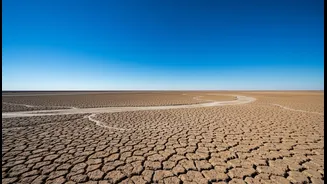
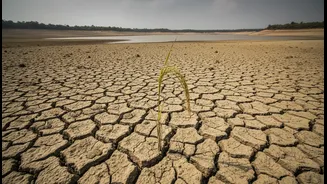
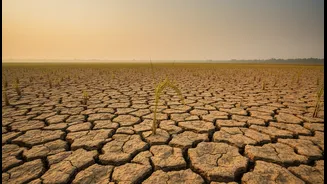
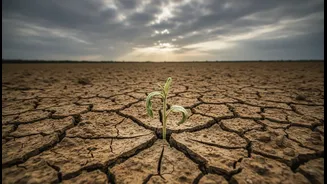
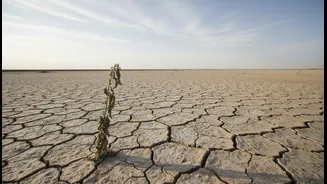
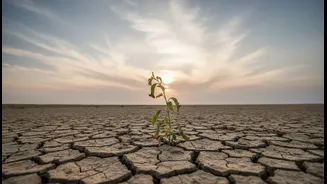
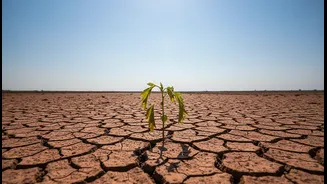
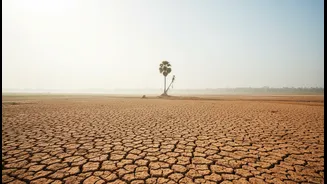
The start to Goa's 2026 monsoon has been one of the weakest in recent memory. After a very dry June, the seasonal rainfall deficit stood at a concerning 26.7% as of July 9th. June 2026 ended with a 34% deficit, marking one of the slowest starts to the monsoon in over
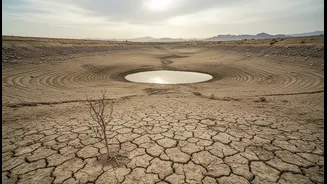
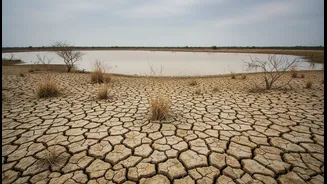
a decade, although heavy showers in the last week of the month did provide some relief. However, the monsoon weakened again in early July. This has tangible consequences for the state's water resources. Crucial reservoirs like the Selaulim dam, which supplies much of South Goa, were only 37% full in early July, a time when they are often nearing capacity. The Anjunem reservoir in Sattari was only 15% full. While the India Meteorological Department (IMD) has forecast intermittent showers, the overall pattern points to a drier-than-usual season so far.
For Travellers: Rethink Your Monsoon Holiday?
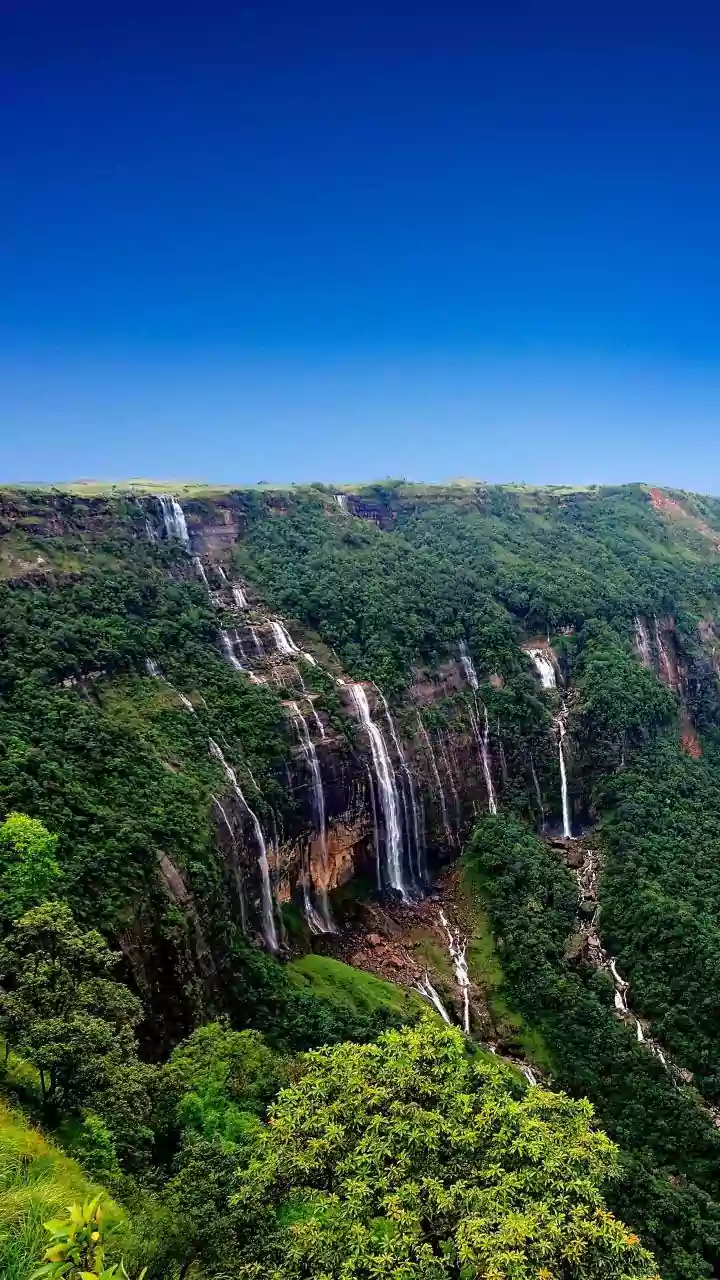
If your vision of a Goa monsoon trip involves non-stop torrential rain, you might be surprised. While it is raining intermittently, the intensity is lower than usual. This doesn't mean you should cancel your trip, but you should adjust your expectations. The classic monsoon experience—lush green landscapes, roaring waterfalls, and misty hills—is still very much on offer. However, this is not the season for swimming in the sea, which is unsafe due to rough conditions, or for lounging at beach shacks, most of which are closed. A weaker monsoon might mean more sunny intervals, which can be a bonus for sightseeing at forts and churches. The key is to plan for indoor activities like exploring Panjim's cafes, visiting spice plantations, or enjoying resort amenities. Lower hotel rates are a major advantage, but book a reliable cab service as roads can be affected by any amount of rain.
For Residents: Managing Water and Daily Life
For residents, the primary concern is water supply. The low levels in the state's dams are a serious issue, as the water stored during the monsoon must last until the next one arrives in 2027. In mid-June, officials warned that water restrictions might be necessary if the rainfall didn't improve. By early July, residents in some areas, like Bethora in Ponda, were already reporting acute water shortages, prompting the Chief Minister to intervene. While widespread, stringent water rationing hasn't been announced for the entire state, authorities have urged citizens to conserve water. The deficit also impacts agriculture, with farmers who depend on steady rains facing uncertainty. The weaker monsoon has also led to higher-than-normal temperatures and humidity, making conditions more uncomfortable.
For Tourism Businesses: Adapting to Uncertainty
The tourism industry, Goa's economic backbone, faces a unique challenge. While off-season discounts are standard, a weak monsoon creates uncertainty. Hotels and resorts must be prepared for potential water supply issues, which could impact operations. It becomes crucial to manage water resources efficiently, using treated water for gardening and implementing conservation measures. Transparent communication with guests is key; managing expectations about what a Goa monsoon trip entails can prevent disappointment. Instead of focusing on beach activities, businesses can promote hinterland tourism, wellness packages, and culinary experiences that are less dependent on weather. The current situation highlights the need for the industry to build resilience against climate variability, which experts suggest is becoming a more frequent trend.
The Forecast: What Lies Ahead?
The IMD's forecast for the immediate future remains mixed. While some heavy rainfall was predicted around July 8th and 9th, the general outlook for mid-July suggests the monsoon may continue in a 'rather dry mode' due to weak weather systems. July and August are typically the wettest months for Goa, and experts note that a few days of widespread, heavy rainfall could still significantly reduce the deficit. However, the initial forecast for the season did warn of a potentially below-normal monsoon for India as a whole, influenced by developing El Niño conditions. For now, all eyes remain on the skies and the daily IMD updates, as the state hopes for a revival of the monsoon to replenish its vital water sources.