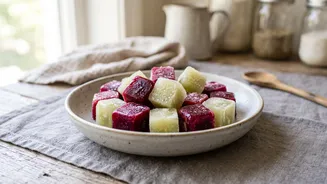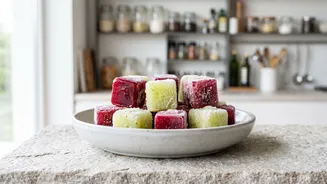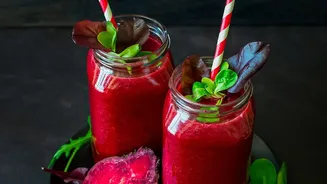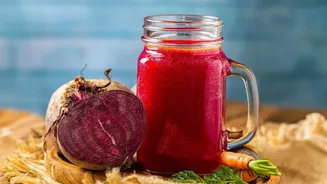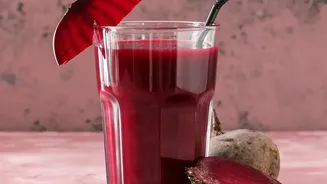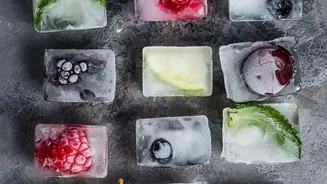



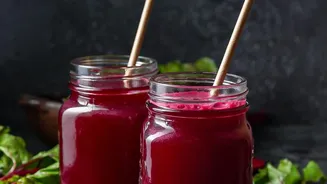
Vibrant, convenient, and packed with goodness, homemade amla and beetroot wellness cubes are all over social media. But to get the most out of them, proper storage is crucial, and it's important to separate the real benefits from miracle claims.
The Appeal of Wellness Cubes
It's easy
to see why these colourful frozen blocks are so popular. They offer a super convenient way to get a quick dose of nutrients without the daily hassle of juicing. Just pop a cube or two into a glass of water, a smoothie, or your morning juice, and you're good to go. This grab-and-go approach makes sticking to a healthy habit feel effortless. The beautiful, deep red-purple hue of the cubes also makes any drink look instantly more appealing, turning a simple glass of water into an inviting, jewel-toned elixir. For those looking to add more plant-based goodness to their diet, these cubes are a simple and effective starting point.
A Nutrient Powerhouse Duo
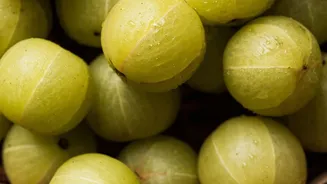
While not a magic cure, the combination of amla (Indian gooseberry) and beetroot is genuinely powerful. Amla is one of the richest natural sources of Vitamin C, a potent antioxidant that supports immune function and is essential for skin health. Beetroot is loaded with dietary nitrates, which can help improve blood flow, and it's also a good source of folate and iron, both vital for producing red blood cells. Together, the Vitamin C from amla significantly enhances the body's ability to absorb the iron from the beetroot, making this a particularly effective combination for supporting blood health and combating fatigue. They also contain compounds that may help reduce inflammation and support liver detoxification.
How to Make Your Cubes
Creating your own amla and beetroot cubes is straightforward. You will need approximately one cup of chopped beetroot and one cup of deseeded, chopped amla. A small piece of ginger can be added for extra zest and anti-inflammatory benefits. Wash and peel the vegetables thoroughly. If you have a juicer, process the amla and beetroot according to the manufacturer's instructions. If using a blender, combine the chopped ingredients with about a cup of water and blend until smooth. Then, strain the mixture through a fine-mesh sieve or cheesecloth to separate the juice from the pulp. Pour the vibrant juice into an ice cube tray, and you're ready for the most critical step: freezing.
Why Proper Freezing Matters
Just tossing an open tray of juice into the freezer won't cut it if you want to preserve the nutrients you just worked to extract. Exposure to air and light are the primary enemies of fresh juice. Oxygen causes oxidation, a process that degrades sensitive vitamins, particularly Vitamin C. Furthermore, improper storage can lead to freezer burn, where ice crystals form on the food's surface, drawing out moisture and leaving you with a product that has a poor texture and diminished flavour. While freezing slows down the growth of microorganisms, it doesn't kill them, so ensuring your cubes are well protected from contamination from other foods in the freezer is also important.
Best Practices for Freezer Storage
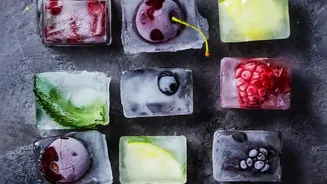
To protect your cubes, your best bet is a silicone ice cube tray that comes with a tight fitting lid. This will shield the juice from circulating air. Once the cubes are fully frozen, you should transfer them to an airtight freezer bag or container. Squeeze out as much air as possible before sealing the bag. Label the bag or container with the contents and the date they were made. This helps you follow the 'first in, first out' rule, ensuring you use the oldest cubes first and don't let them languish in the back of the freezer for too long. For best quality and nutrient retention, aim to use your frozen juice cubes within two to three months.
A Healthy Habit, Not a Health Cure
It's vital to have realistic expectations. While social media posts may make sensational claims, no single food or juice can cure serious diseases like cancer. These claims are not supported by scientific evidence and can be dangerous if they lead people to delay or abandon proven medical treatments. Think of these amla and beetroot cubes as a powerful supplement to, not a replacement for, a balanced diet and healthy lifestyle. They can boost your intake of vitamins and antioxidants, support your energy levels, and contribute to glowing skin, but they are not a substitute for medical care or a varied diet rich in whole foods.