





The Search for Sustained Energy
The move towards high-fibre breakfasts reflects a growing desire for meals that offer more than a temporary fix. Unlike processed foods that can cause a rapid spike and crash in blood sugar, fibre-rich foods digest slowly. This gradual process provides
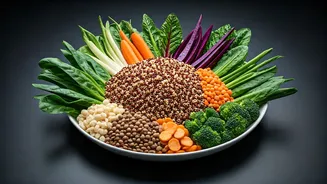
a steady release of energy, helping you stay focused and full until lunchtime. The trend is a direct response to the 'afternoon slump' many experience after a carb-heavy or sugary start to the day. By choosing options like oats, whole grains, and legumes, people are investing in their productivity and mood for the entire day.
More Than Just Gut Health
While dietary fibre is most famous for promoting digestive regularity, its benefits are far more extensive. A high-fibre diet is linked to a lower risk of heart disease, type 2 diabetes, and certain cancers. Soluble fibre, found in oats, barley, and beans, can help lower 'bad' LDL cholesterol levels and stabilise blood sugar. Insoluble fibre, present in whole grains and vegetables, adds bulk and aids the movement of food through the digestive system. Furthermore, fibre acts as a prebiotic, feeding the beneficial bacteria in your gut, which is connected to improved immunity and even better mental health through the gut-brain axis.
The Indian Kitchen Advantage
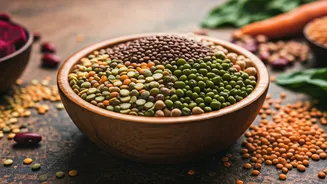
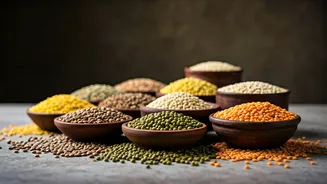
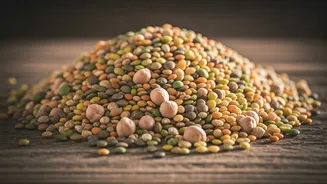
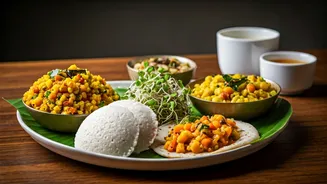
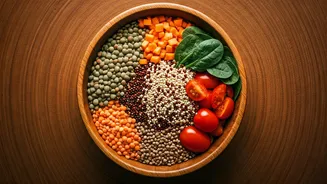
For many in India, this trend isn’t about adopting new, exotic ingredients but rather embracing traditional foods. The Indian pantry is naturally abundant in high-fibre staples. Lentils (dals), chickpeas (chana), millets (like ragi and jowar), and whole grains are cornerstones of Indian cuisine. Classic breakfasts like poha, upma, and dal chillas are inherently rich in fibre. The current wellness movement is simply shining a new light on these age-old recipes, celebrating them for the nutritional powerhouses they have always been and encouraging minor tweaks—like using brown rice poha or adding more vegetables—to boost their benefits even further.
Effortless Morning Meals: Oats and Millets
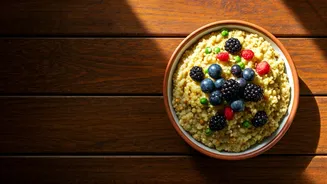
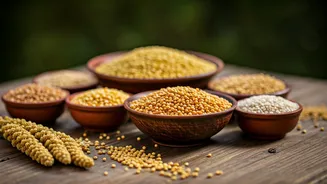
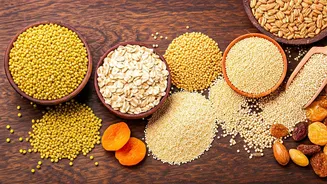
Perhaps the most popular entry point into high-fibre breakfasts is a simple bowl of porridge. Oats are an excellent source of soluble fibre. They can be prepared as masala oats upma for a savoury twist or cooked with milk and topped with fruits and nuts. Millets are making a major comeback, with ragi (finger millet) being a standout choice. A ragi dosa or a warm bowl of ragi porridge offers a fibre-rich, gluten-free start to the day that supports digestion and satiety. These grains are versatile, quick to cook, and can be easily customised to suit any palate.
Reimagined Classics: Poha and Upma
Traditional favourites are being re-appreciated for their fibre content. Poha, made from flattened rice, is a light yet filling option. To increase its fibre, many are switching to brown rice poha and generously adding vegetables, sprouts, and roasted peanuts. Similarly, upma can be made more fibrous by swapping traditional semolina for broken wheat (dalia), steel-cut oats, or even quinoa. Loading it up with colourful vegetables not only adds nutrients but also contributes to the daily fibre goal, turning a simple dish into a balanced meal.
Modern Twists: Smoothies and Seed Puddings
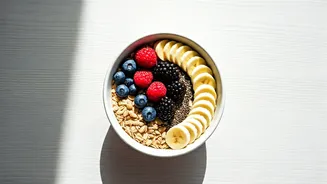
For those seeking modern, convenient options, smoothies and seed puddings are go-to choices. A high-fibre smoothie isn't just about fruit; adding a handful of spinach, a tablespoon of chia or flax seeds, and using a base like Greek yoghurt can create a balanced and filling meal. Chia seed pudding has also become a breakfast staple. When soaked, these tiny seeds form a gel-like texture and are packed with fibre, protein, and omega-3 fatty acids. Topped with berries and nuts, it's a make-ahead breakfast that feels like a treat.