

The Problem with the Pretty Basket
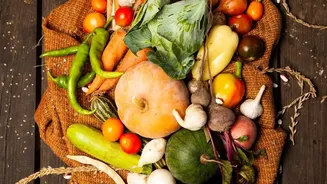
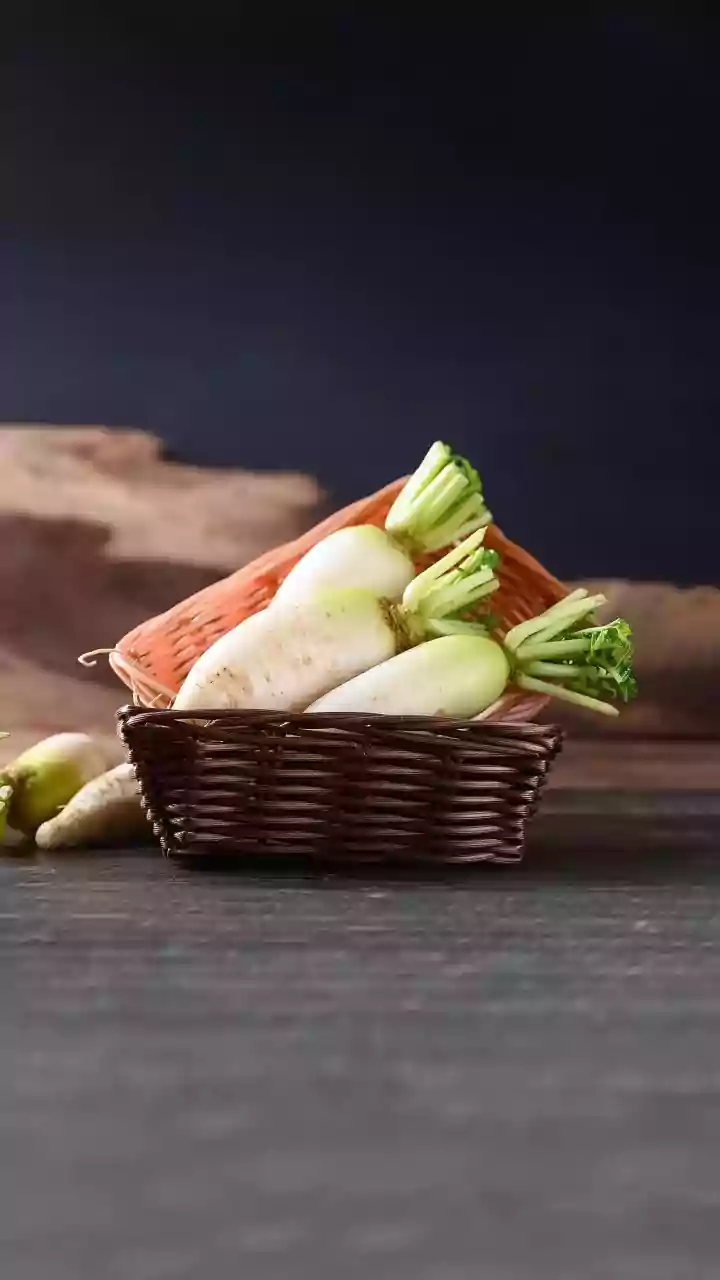
A decorative open basket might seem like a charming, traditional way to store produce, but it often creates the worst possible environment for many root vegetables. Items left on a kitchen counter are exposed to three primary enemies of freshness: light,
heat, and fluctuating humidity. This combination can accelerate spoilage, encourage sprouting, and in some cases, even lead to the production of harmful toxins. While it looks good on social media, in a real, working kitchen—especially in warmer climates—an open basket is often a fast track to wasted food and money.
The Potato Predicament: Light and Its Dangers
Potatoes are the biggest victims of basket storage. When exposed to light, a potato’s skin begins to produce chlorophyll, which turns it green. This is a sign that the tuber is preparing to sprout. More importantly, this light exposure also triggers the production of solanine, a naturally occurring glycoalkaloid toxin. While the green chlorophyll itself is harmless, it indicates that higher levels of solanine may be present. Consuming enough solanine can lead to gastrointestinal distress, including abdominal pain, vomiting, and diarrhea. While you'd have to eat a lot of bitter-tasting green potato to get seriously ill, it's safest to avoid it, especially for children. The ideal storage for potatoes is a cool, dark, dry, and well-ventilated place, like a cupboard or pantry.
Onions and Garlic: The Need for Air
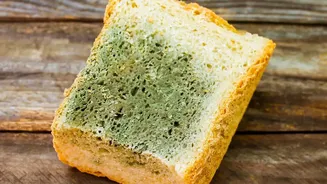
Onions and garlic also have specific needs that an open basket doesn’t quite meet. These alliums require a cool, dark environment with good air circulation to prevent them from sprouting or developing mould. While a basket offers ventilation, it fails on the 'dark' requirement. A worse mistake is storing them in a sealed container or plastic bag inside a cupboard, which traps moisture and invites rot. A mesh bag or a ventilated crate inside a dark pantry is ideal. Crucially, onions and potatoes must never be stored together. Onions release ethylene gas, which accelerates ripening and sprouting in potatoes, their ethylene-sensitive neighbours. Keeping them in separate corners of the pantry will help both last longer.
Creating the Ideal Storage Space
So what does the perfect storage spot look like? You’re aiming for a 'pantry' environment, even if you don't have a dedicated room. This means a location that is cool (ideally between 7-12°C), dark, dry, and well-ventilated. A kitchen cupboard away from the stove or dishwasher works well. Use slatted crates, baskets with holes, or mesh bags to ensure air can circulate freely around your produce. Avoid washing vegetables like potatoes before storing them, as dampness encourages spoilage. Simply brush off any excess dirt. By replicating these conditions, you mimic the environment of a traditional root cellar and significantly extend the life of your vegetables.
What Can Live in the Basket?
This doesn't mean your countertop basket is useless. It’s perfect for produce that either needs to ripen or doesn't mind being at room temperature for a few days. Tomatoes, for instance, develop better flavour on the counter and should not be refrigerated until they are fully ripe and cut. Bananas should also be kept out until they reach the desired ripeness. Other items that do well at room temperature include citrus fruits, avocados (until ripe), and stone fruits like peaches and plums. Once these are ripe, moving them to the fridge can help them last a few days longer.