
The End of the Syrup Era
For years, the standard iced tea in many Indian cafes was a predictable affair: a pre-mix or a brightly coloured syrup stirred into chilled water, delivering a blast of sugar with a hint of artificial fruit flavour. But consumer tastes are evolving. Driven
by a growing desire for healthier, more natural options, people are increasingly turning away from these ultra-processed beverages. Studies show a significant portion of Indian consumers now actively avoid artificial additives, colours, and flavours, creating a demand for cleaner, more transparent menus. This shift has paved the way for a return to real ingredients, celebrating authenticity over artificial convenience.
A Return to Our Roots: The Botanical Brew
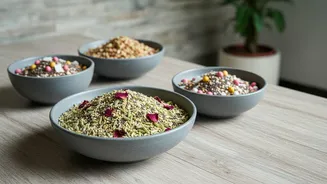
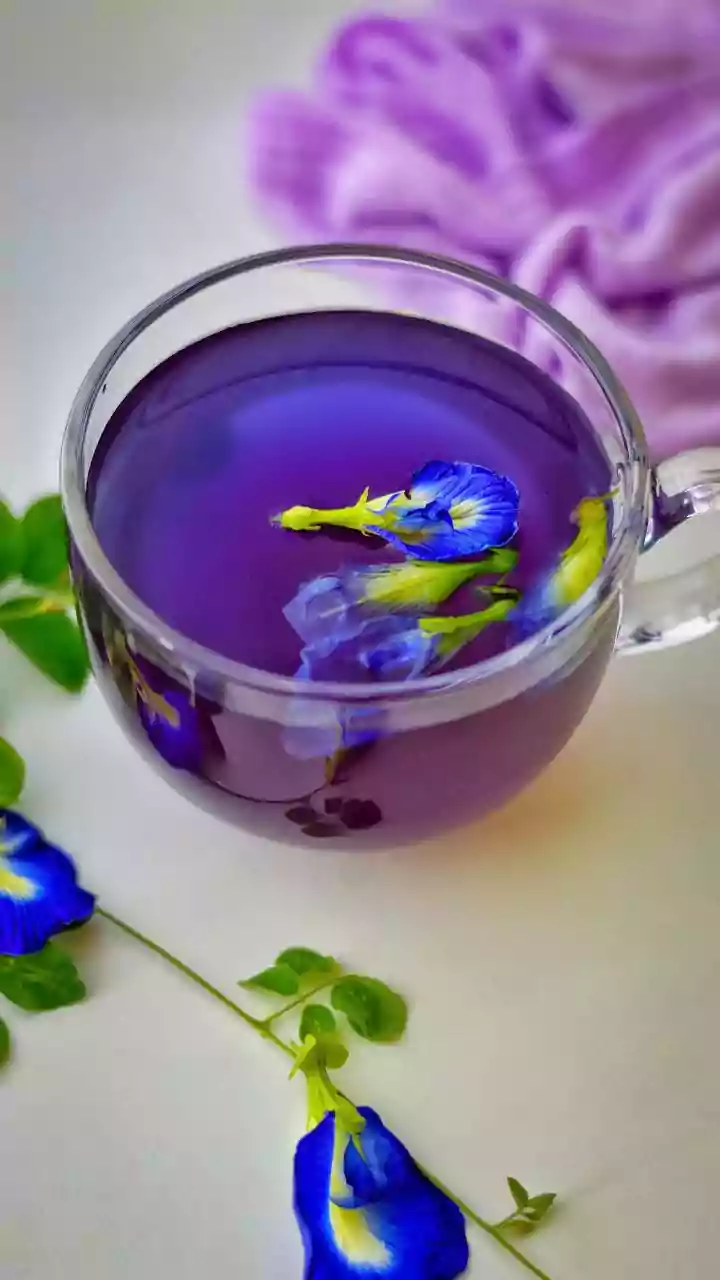
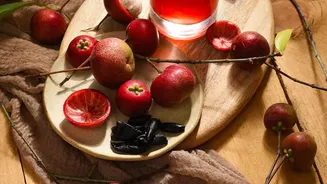
Enter the new wave of iced teas, infused with indigenous herbs, flowers, and spices that have been part of Indian traditions for centuries. Mixologists and beverage creators are exploring the nation's rich botanical wealth, using ingredients like vetiver (khus), hibiscus, bael, kokum, and blue pea flower to create drinks that are both nostalgic and novel. This trend isn't just about flavour; it's about reconnecting with local agricultural heritage and offering a more complex sensory experience. Consumers are no longer satisfied with one-note sweetness; they crave the nuanced aromas and tastes that only real, natural ingredients can provide.
The Cooling Allure of Vetiver (Khus)
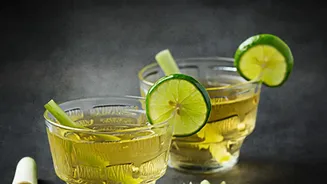
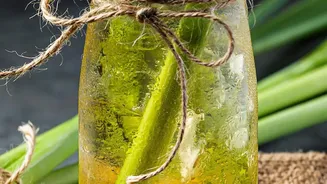
One of the standout stars of this movement is vetiver, known in India as khus. Distilled from the roots of a fragrant grass, khus has been a staple of Indian summers for generations, famously used in traditional sharbats for its intense cooling properties. Its flavour profile is unique—earthy, woody, and deeply aromatic. In modern cafes, vetiver is being used to infuse iced teas, lending them a sophisticated, musky note that is a world away from generic lemon or peach. Gin brands have also incorporated vetiver for its distinctive character, highlighting its versatility beyond traditional drinks. This revival showcases how an age-old coolant can be reimagined for the contemporary palate.
Hibiscus: The Ruby-Red Refresher
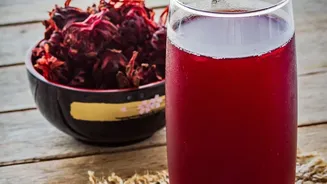
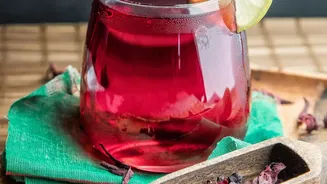
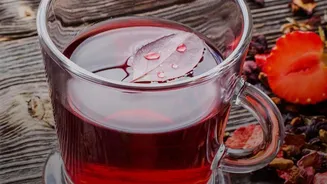
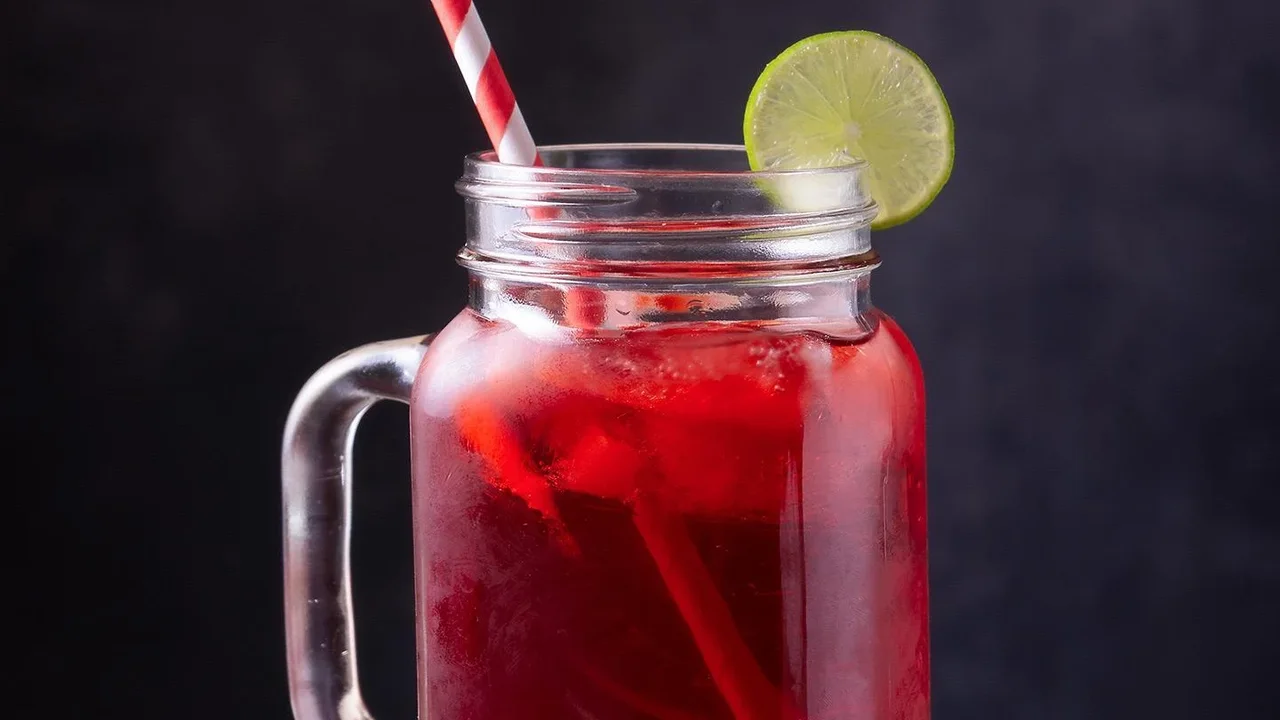
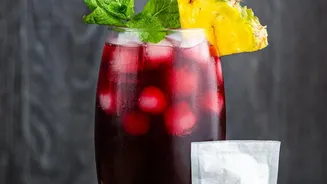
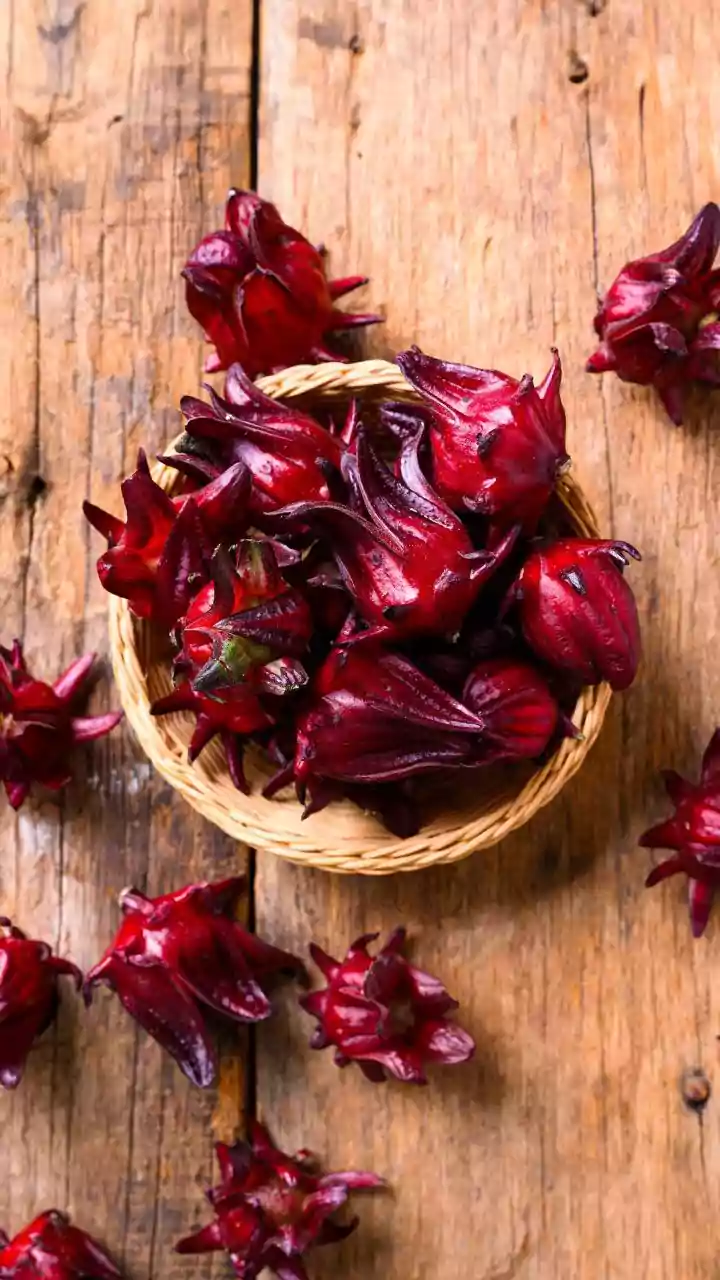
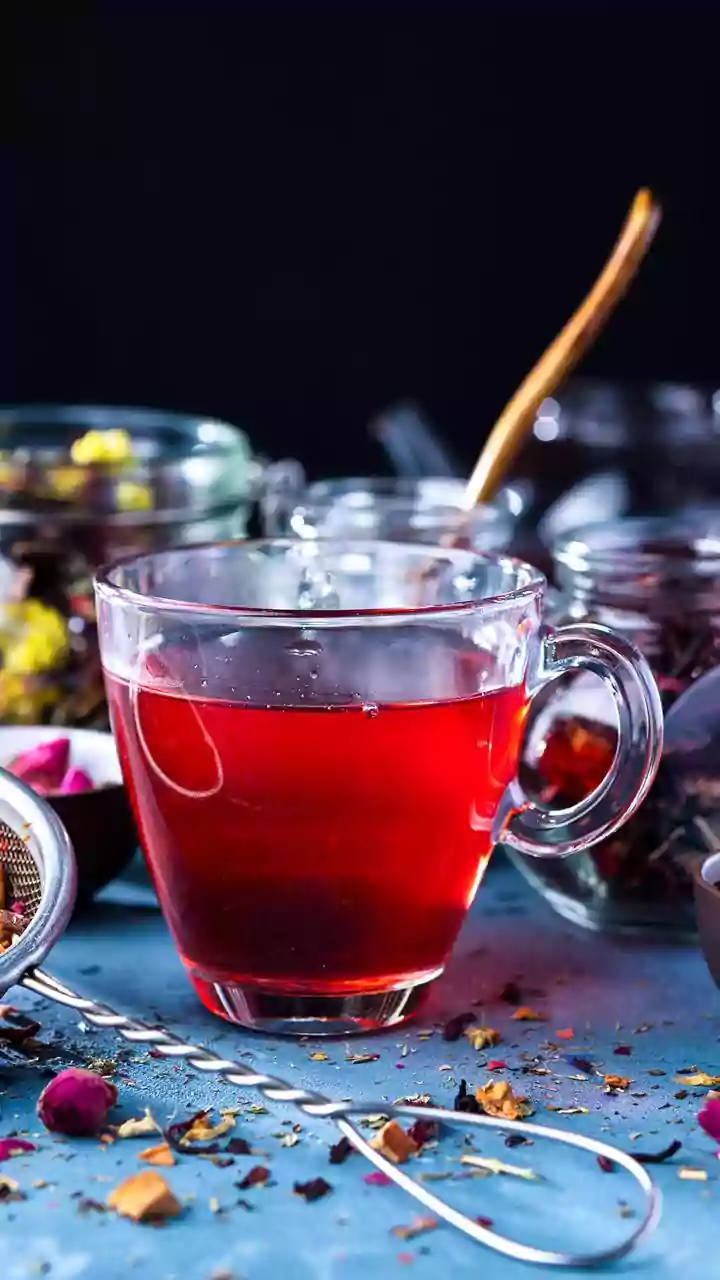
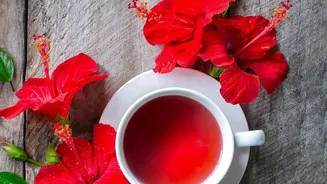
Another botanical taking centre stage is the vibrant hibiscus flower. When steeped, its petals release a stunning, deep red hue and a tart, cranberry-like flavour. Unlike artificial red dyes, hibiscus provides colour and taste naturally. It's also celebrated for its health benefits, being naturally caffeine-free and packed with antioxidants like Vitamin C. Hibiscus iced tea, often balanced with a touch of honey and a squeeze of lemon, has become a popular and visually appealing alternative to sugary soft drinks in Indian households and cafes.
Why This, Why Now?
This shift is a product of several converging trends. The post-pandemic era has amplified health and wellness consciousness, with many consumers seeking functional beverages with perceived benefits like hydration and antioxidants. There's also a growing cultural pride and curiosity about regional Indian ingredients, previously overlooked in mainstream commercial products. As the cafe and artisanal food culture booms, chefs and brands are eager to differentiate themselves with unique, high-quality, and locally sourced offerings. This movement is proving that what's good for our health and what's good for local traditions can also be delicious.