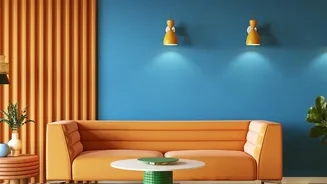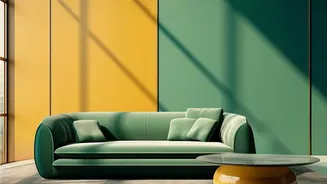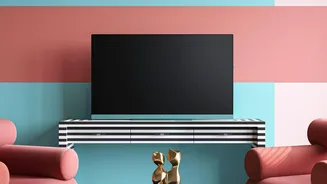






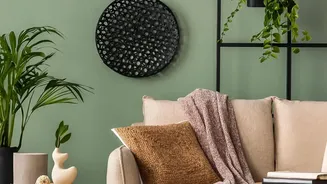
What is Colour-Blocking?
Colour-blocking is an interior design technique that uses two or more solid blocks of colour to create a striking visual statement. Originating in the art world with painters like Piet Mondrian, it moved into fashion before becoming a staple of modern
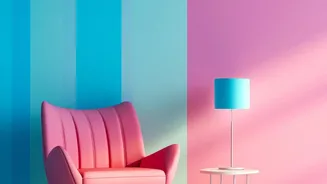
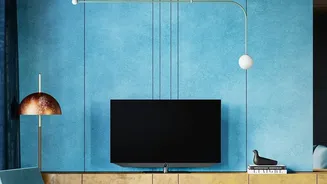
home decor. Unlike busy patterns, colour-blocking relies on the interplay of contrasting or complementary hues to define spaces, highlight architectural features, or simply add a dose of drama. It can involve painting geometric shapes, using wallpaper on a single accent wall, or even combining paint and wallpaper for a truly unique effect.
Why Embrace This Bold Look?
The power of colour-blocking lies in its versatility. It is an effective tool for creating zones within an open-plan living area, such as designating a cosy reading nook or a productive home office space. A bold geometric wallpaper behind a headboard can serve as a stunning focal point in a bedroom, while a two-tone wall can add height and sophistication to a living room. This technique also allows you to play with the psychology of colour. Warm shades like red and orange can energise a dining room, while cool blues and greens can bring a sense of calm to a bedroom or study.
Choosing Your Colour Palette
Selecting the right colours is crucial for successful colour-blocking. For a high-impact, energetic look, choose complementary colours that sit opposite each other on the colour wheel, like blue and orange or purple and yellow. If you prefer a more subtle and harmonious feel, opt for different tones of the same colour. A popular guideline in interior design is the 60-30-10 rule: 60% of the room should be a dominant colour, 30% a secondary colour, and 10% an accent colour used for details. When choosing a wallpaper, consider the existing elements in your room, such as furniture, flooring, and natural light, to ensure a cohesive scheme.
Strategic Wallpaper Placement
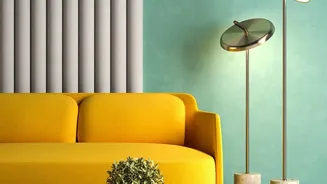
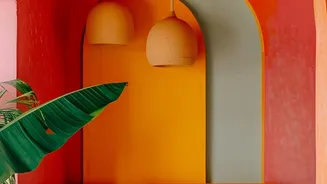
Where you place your colour-blocked wallpaper is just as important as the colours you choose. An accent wall is a classic choice, instantly drawing the eye and adding depth without overwhelming the space. This works particularly well in living rooms behind a sofa or in a dining area. Consider the room's function and scale; large-scale patterns can make a grand statement on a large wall but may overpower a small room. In bedrooms, the wall behind the bed is a prime candidate for a bold wallpaper to create a stylish headboard effect. You can also use colour-blocking to highlight architectural details like arches, nooks, or even ceilings for an unexpected twist.
Tips for a Flawless Finish
To ensure your wallpaper project looks professional, start with good preparation. Make sure your wall is clean and smooth. Always order a sample of your chosen wallpaper to see how the colours look in your room's specific lighting throughout the day. Light colours can make a small or dimly lit space feel larger and brighter, while darker, saturated tones create a sense of intimacy and drama. Pair your bold wallpaper with neutral-coloured furniture to let the wall be the star, or coordinate textiles like cushions and curtains with one of the accent colours from the wallpaper to tie the room together.