




The Social Media Steam Engine
The evidence is everywhere, from bite-sized Instagram Reels to detailed YouTube tutorials. Food bloggers and amateur cooks alike are documenting their momo-making journeys, turning a simple meal into a viral spectator sport. The visual appeal is undeniable.
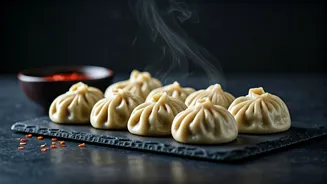
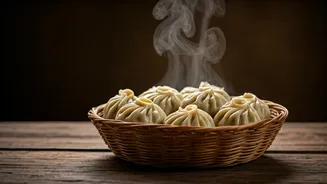
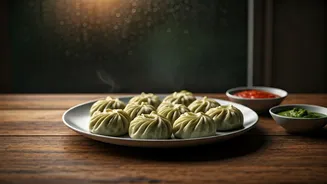
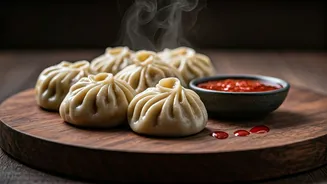
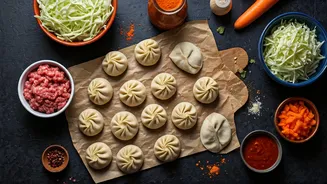
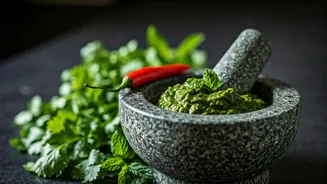
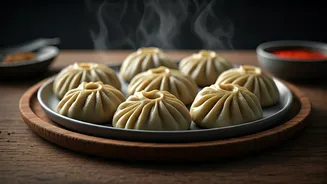
There’s the mesmerising, almost meditative process of pleating the delicate wrappers, an art form in itself. Then comes the 'reveal'—the satisfying lift of the steamer lid, unleashing a billow of steam to unveil rows of glistening, translucent dumplings. Paired with vibrant red and green chutneys, it’s a feast for the eyes before it even reaches the plate. Hashtags like #homemademomos and #momolovers are filled with thousands of posts showcasing this process, turning a personal kitchen project into a shared public experience.
From Street Staple to Home Hero
For years, momos were primarily an 'eat-out' food. They were the quick snack grabbed from a street-side stall, the reliable appetiser at a restaurant, the centrepiece of a food court outing. But something has shifted. The recent obsession with making them at home marks a significant evolution in our relationship with this Tibetan-origin dish that India has so lovingly adopted. This isn't just about replication; it’s about elevation and ownership. By bringing the momo into the home kitchen, people are reclaiming it, personalising it, and demystifying a process that once seemed the exclusive domain of professional chefs and roadside vendors. It speaks to a growing confidence in Indian home kitchens, where no culinary challenge seems too daunting.
The Meditative Joy of the Fold
Anyone who has tried making momos knows that the real magic lies in the folding. It’s a skill that requires patience, practice, and a delicate touch. This process is a huge part of the trend's appeal. In a world of fast food and instant gratification, the slow, deliberate act of shaping each dumpling offers a moment of mindfulness. It’s a craft. For many, it has also become a communal activity. Families and friends gather around a table, each person taking on a role—rolling the dough, adding the filling, and attempting the perfect pleat. This collaborative effort transforms cooking from a chore into a bonding experience, creating memories as tangible as the delicious dumplings themselves. The shared laughter over a misshapen momo is as much a part of the meal as the final product.
A Canvas for Kitchen Creativity
Once you master the basic technique, the momo becomes a blank canvas for culinary expression. The homemade trend isn't just about recreating the classic chicken or vegetable fillings; it's about innovation. Home cooks are experimenting with an array of fillings that reflect regional tastes and modern palates. We're seeing everything from paneer tikka and spicy soya keema to mushroom and cheese. For the more adventurous, dessert momos filled with chocolate and nuts have become a viral sensation. This freedom to customise is a key driver of the trend. You control the spice level, the freshness of the ingredients, and the overall healthiness of the dish, creating a version of the momo that is uniquely yours. It’s the ultimate expression of 'my kitchen, my rules'.
The Lasting Legacy of Lockdown Cooking
This wave of ambitious home cooking can be traced back to the pandemic. The lockdowns forced us indoors and, for many, into the kitchen. We baked sourdough, mastered dalgona coffee, and experimented with biryanis. That period ignited a new level of culinary curiosity and confidence that has outlasted the lockdowns themselves. Making momos from scratch feels like the next logical step in that journey. It's a project-based dish that requires more effort than a simple weeknight meal but delivers immense satisfaction. The skills learned during those quiet months are now being applied to more complex and rewarding dishes, proving that the trend of elevated home cooking is here to stay.