





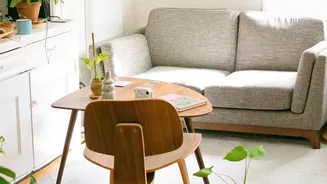


The Case for Renting: Flexibility and Low Upfront Cost
For many young professionals, the future is unwritten. You might be in a city for a specific project, on a short-term assignment, or simply unsure if you'll be there in two years. In such scenarios, renting is a clear winner. It offers unmatched flexibility,
allowing you to furnish a home without the long-term commitment of ownership. The primary advantage is the absence of a large upfront investment. Instead of spending over a lakh on a bed, sofa, and wardrobe, you can pay a manageable monthly fee, freeing up your savings for other investments or experiences. Rental platforms often handle delivery, installation, and even maintenance, saving you from hidden hassles and costs. If a piece of furniture gets damaged through normal wear and tear, the rental company usually takes care of repairs or replacements.
The Financials of Renting: Monthly Fees and Deposits
Renting converts a large capital expense into a smaller operational one. For instance, a basic package including a bed, sofa, and dining table can be rented for a monthly fee. These platforms typically require a refundable security deposit, which is often equivalent to one or two months' rent. Some companies may offer discounts for longer rental tenures or advance payments. However, be mindful of potential hidden costs like early termination fees, which can be significant if your plans change unexpectedly. While convenient, it's crucial to read the terms and conditions regarding damage waivers, relocation services, and penalties for late payments.
The Case for Buying: Ownership and Long-Term Value
Buying furniture is a move for those with a clearer long-term plan. If you see yourself staying in a city for more than a couple of years, purchasing your furniture can be a sound financial decision. The most significant advantage is building an asset. Every EMI payment brings you closer to owning the item, which will have some resale value down the line, unlike rent payments which offer no equity. Ownership also grants you complete freedom for customization. You can choose the exact design, material, and colour that matches your personal style, creating a space that truly feels like your own. This sense of permanence and personalization is something renting cannot replicate.
The Financials of Buying: Upfront Costs and Hidden Expenses
The biggest drawback of buying is the high initial cost. Furnishing even a small apartment can require a substantial investment. While no-cost EMI options are widely available, they still represent a long-term financial commitment. Beyond the sticker price, there are other expenses to consider, such as delivery charges, assembly fees, and the ongoing responsibility for maintenance and repairs. If you move, the logistical and financial burden of transporting bulky furniture is entirely on you. Furthermore, furniture depreciates over time, and its resale value is typically much lower than the original purchase price.
The Break-Even Point: When Does Buying Make More Sense?
The core of the decision often comes down to a simple calculation: the break-even point. Most analyses suggest that if you plan to stay in one place for less than two to three years, renting is almost always the more cost-effective option. The cumulative cost of renting furniture for 22 to 24 months can often equal the purchase price of a new item. To figure out your personal break-even point, compare the total rental cost over your expected stay against the purchase price minus the estimated resale value. For short-term or uncertain stays, the financial and logistical benefits of renting are hard to beat. If you have a stable job and plan to settle down for longer, buying becomes the financially superior choice.