



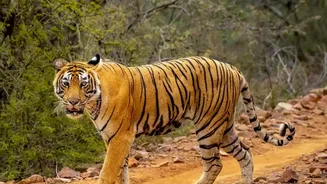
Ranthambore National Park, Rajasthan
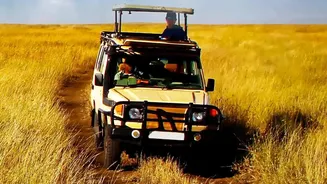
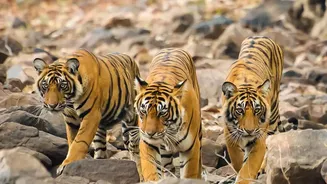
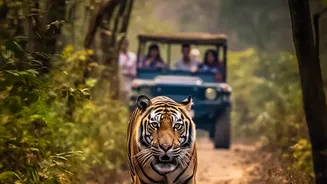
Winter is a popular season at Ranthambore, and for good reason. The pleasant daytime temperatures, which range from 10°C to 25°C between November and February, make for comfortable open-top jeep safaris. The forest's dry deciduous trees shed their leaves,
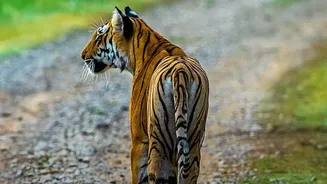
improving visibility deep into the landscape. While tiger movement can be less predictable than in the peak of summer, the cooler weather often means the majestic cats are active for longer periods. You may find tigers basking in the warm winter sun, creating perfect photographic opportunities. The misty mornings, especially around the park's famous lakes like Padam Talao, add a magical quality to the experience, with deer calls echoing in the crisp air.
Jim Corbett National Park, Uttarakhand
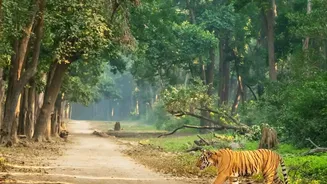
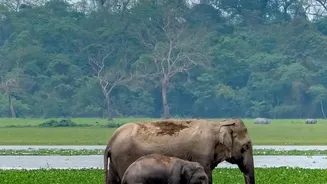
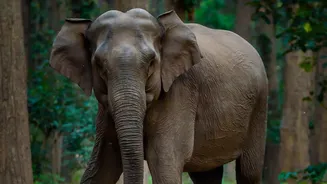
Nestled in the Himalayan foothills, Jim Corbett transforms into a serene wonderland in winter. From November to February, the weather is cool and pleasant, with daytime temperatures ideal for exploring the park's diverse zones. December is considered one of the best months to visit, as all safari zones are operational and the forest is teeming with life. With less dense vegetation, the chances of spotting Bengal tigers and elusive leopards increase. It is also a fantastic time for birdwatching, as the season attracts a host of migratory birds, including bar-headed geese and various waders, especially around the Ramganga reservoir. Herds of elephants are also frequently seen during this period.
Kaziranga National Park, Assam
Winter is widely considered the best time to visit this UNESCO World Heritage Site. The park, which remains closed during the monsoon, reopens to reveal lush landscapes and full water bodies. From November to April, the climate is cool and dry, creating perfect conditions for both jeep and elephant safaris. Kaziranga is famed for being home to the world's largest population of the Indian one-horned rhinoceros, and winter offers excellent chances to see them grazing in the misty grasslands. The season is also a paradise for birders, with various migratory species making the park their temporary home. The pleasant weather allows for comfortable exploration of the vast floodplains and grasslands that define this unique habitat.
Gir National Park, Gujarat
For those wanting to see the magnificent Asiatic lion, a winter trip to Gir National Park is a must. It is the only place on earth where these lions can be seen in the wild. The period from December to March is considered the peak safari season, largely due to the pleasant weather. With cooler temperatures, the lions are generally more active throughout the day, increasing the chances of a memorable sighting. The dry, open forest provides clearer views, making it easier to spot lions, leopards, sambar deer, and other wildlife. The season also attracts a variety of migratory birds, adding another layer to the safari experience, especially around the park's water sources.
Tadoba Andhari Tiger Reserve, Maharashtra
Often hailed for its high tiger density, Tadoba is a fantastic winter destination for wildlife enthusiasts. The months from October to February offer comfortable weather, with pleasant daytime temperatures perfect for long safari drives. After the monsoon, the forest is refreshed and vibrant, providing a stunning backdrop for wildlife photography. While peak summer is famous for tiger sightings near waterholes, the winter still offers high chances of spotting tigers, leopards, and sloth bears. Furthermore, winter is an excellent time for birdwatching in Tadoba, as the reserve welcomes numerous migratory bird species, adding to its already rich avian diversity of over 195 species.