








Understanding the Alert
When authorities issue a heat warning, they are signaling that conditions have become dangerous, especially for vulnerable individuals. These groups include young children, the elderly, pregnant women, outdoor workers, and people with chronic health conditions like
heart disease or high blood pressure. The primary dangers are heat exhaustion and the more severe heatstroke. Heat exhaustion can bring on symptoms like heavy sweating, dizziness, headache, and nausea. If not addressed, it can progress to heatstroke, a life-threatening emergency where the body loses its ability to cool down. Key signs of heatstroke include a high body temperature, confusion or altered mental state, and potentially a loss of consciousness. Recognizing these signals is the first step toward safety.
The Simple Power of Shade
One of the most effective and straightforward ways to protect yourself is to avoid direct sun exposure. This means seeking or creating shade whenever you are outdoors. During the peak heat of the day, typically between noon and 3 p.m., staying out of the sun is critical. At home, you can significantly reduce indoor temperatures by blocking sunlight. Using light-coloured curtains, blinds, or even temporary solutions like cardboard on windows can reflect solar radiation instead of absorbing it. This simple act prevents your home from heating up like a greenhouse. For those who must be outside, employers are advised to provide shaded rest areas to help workers cool down and recover. Planning your day around the sun's position and intensity is a fundamental strategy for heat protection.
Why Taking Breaks is Non-Negotiable
During a heatwave, your body works overtime to stay cool. Pushing yourself too hard, especially with strenuous physical activity, can quickly lead to overheating. This is why incorporating regular rest breaks into your day is essential, not a luxury. If you have an outdoor job or need to perform demanding tasks, schedule them for the cooler parts of the day, such as the early morning or evening. Employers are encouraged to increase the frequency and length of rest breaks for their workers during extreme heat. Acclimatization is also key; it takes time for the body to adjust to hotter conditions. Rushing this process increases risk. Listening to your body and pausing before you feel overwhelmed allows your internal cooling system to catch up, preventing the slide into heat-related illness.
Creating Your Own Cool Room
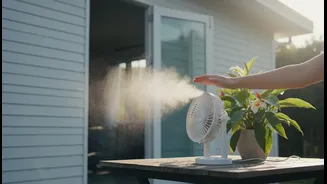
While air conditioning is the most effective way to cool a space, it's not accessible to everyone. Fortunately, you can create a cooler sanctuary within your own home. Designate one room, preferably one that doesn't get direct afternoon sun, as your 'cool room'. To lower its temperature, employ several tactics. Open windows on opposite sides of the house during the cooler hours of the early morning and late evening to create cross-ventilation. During the day's peak heat, keep windows and curtains closed to trap the cooler air inside. Placing a bowl of ice or a wet cloth in front of a fan can create a surprisingly effective cooling mist. Using your oven and other heat-generating appliances less also helps maintain a lower indoor temperature.
Seeking Refuge in Public Spaces
Sometimes, conditions at home remain unsafe despite your best efforts. In these situations, publicly accessible cool spaces are a vital resource. Many municipalities designate 'cooling centers' during heatwaves, which are air-conditioned public buildings like libraries, community centers, and senior centers. These locations offer a refuge from the heat, allowing your body a crucial chance to cool down. Even informal spaces like shopping malls or places of worship can serve the same purpose. These centers are particularly critical for the most vulnerable populations, including those experiencing homelessness or living in homes without adequate cooling. Knowing the locations of your nearest cooling centers before a heatwave hits is an important part of any preparedness plan.
Hydration and Diet for Hot Weather
Internal strategies are just as important as external ones. Staying properly hydrated is fundamental to your body's ability to cool itself through sweat. It's crucial to drink plenty of water throughout the day, even before you feel thirsty, as thirst is not a reliable indicator of dehydration. Drinks containing electrolytes, like Oral Rehydration Solution (ORS), coconut water, or buttermilk, are particularly beneficial for replacing the salts lost through sweating. It's best to avoid alcohol, caffeine, and sugary drinks, as they can contribute to dehydration. Your diet can also help. Eating fruits and vegetables with high water content, such as watermelon, cucumber, and oranges, can supplement your fluid intake and help you stay cool from the inside out.