





The 'Shoulder Season' Sweet Spot
The period between a destination’s peak and off-peak seasons is known as the 'shoulder season'. For many parts of Europe and Asia, this falls between September and November. Travel companies and booking platforms have noted a clear shift, with a growing
number of Indian travellers deliberately targeting this window. The reasons are compelling: fewer crowds, better availability of flights and hotels, and, most importantly, more competitive pricing. While July and August see peak prices, the autumn months can be 20 to 30 percent cheaper for European destinations. This allows travellers to allocate more of their budget towards experiences rather than just logistics.
Europe’s Golden Hues and Cooler Climes
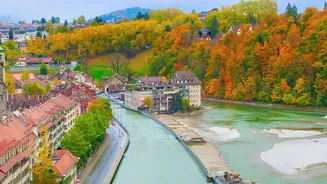
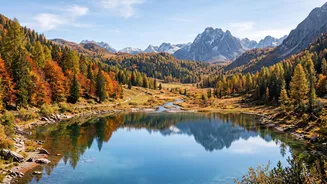
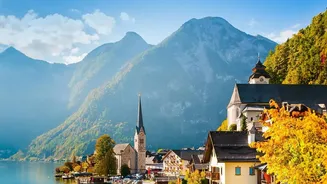
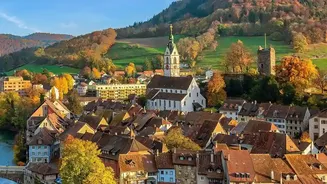
Summer in Europe can be hectic, with crowded landmarks and sweltering heat. Autumn, by contrast, offers a more relaxed and atmospheric experience. The weather is crisp and pleasant, perfect for exploring historic cities like Rome, Prague, or Budapest without the summer rush. The Swiss Alps become quieter, offering stunning views and opportunities for sightseeing and photography. Countries in Central and Eastern Europe, such as Hungary, Poland, and Romania, are particularly attractive, offering incredible value. Beyond the cities, it’s a time of harvest festivals, golden foliage, and a cosy ambience that provides a different, arguably more authentic, glimpse into European life.
Asia’s Post-Monsoon Appeal
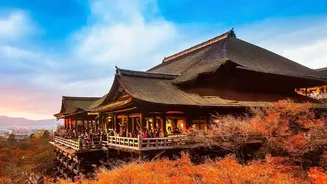
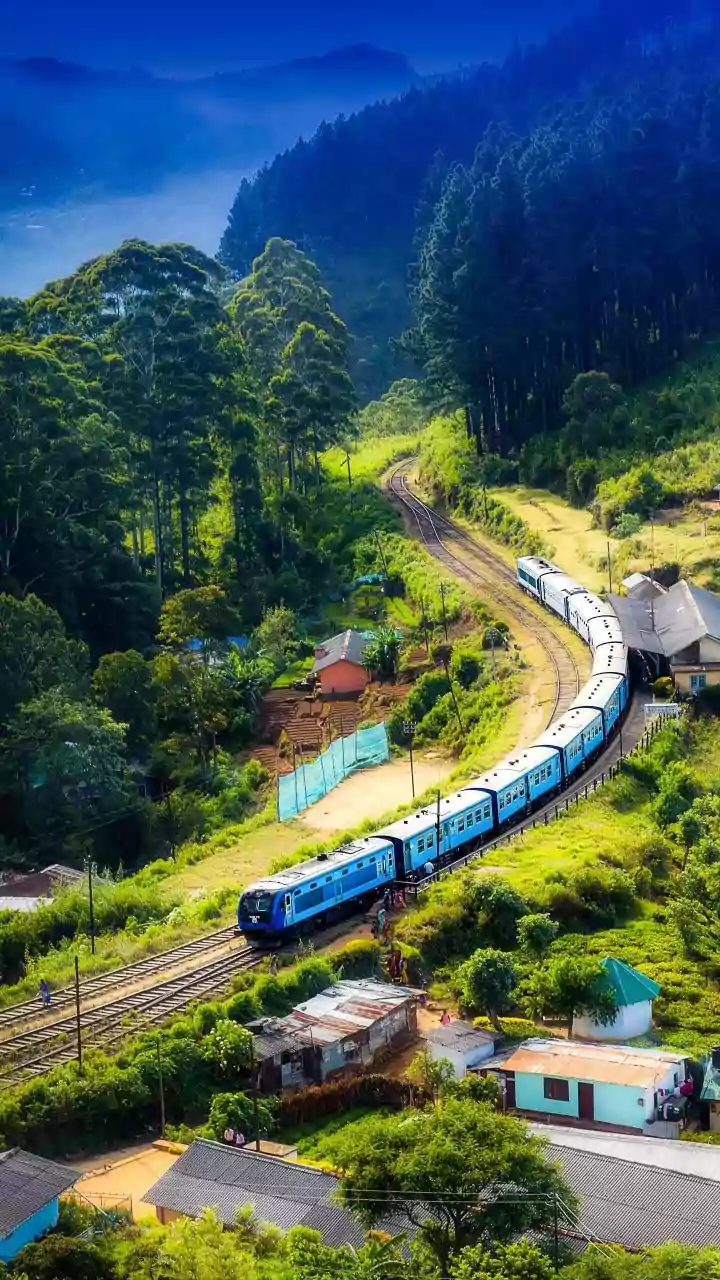
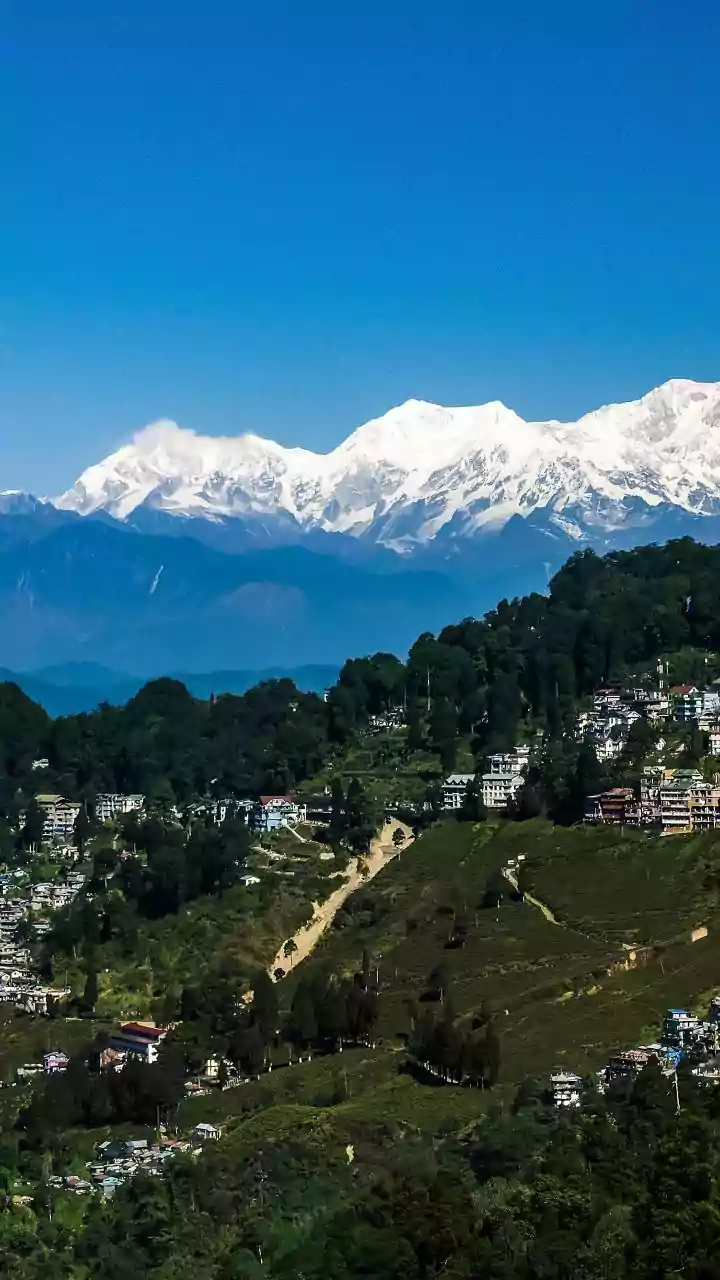
The appeal of autumn isn't limited to long-haul travel. Many Asian destinations become prime spots for a holiday as the monsoon rains recede. In Southeast Asia, countries like Thailand, Vietnam, and Indonesia enter a period of lush greenery and comfortable weather before the peak tourist season kicks in. This makes it an ideal time to explore Bali's discounted resorts or Thailand's less-crowded beaches. Further east, Japan and South Korea are famous for their spectacular autumn foliage, attracting visitors who want to see the vibrant red and golden leaves in places like Kyoto or Seoul's national parks. The combination of favourable weather and beautiful scenery is creating new opportunities for short-haul trips.
A Shift in Traveller Mindset
The trend is driven by more than just economics. Reports indicate a significant evolution in what Indian travellers seek from a vacation. There's a growing desire for more immersive and authentic experiences, moving away from checklist tourism. According to one report, 37 percent of Indian travellers now choose the shoulder season specifically to avoid crowds. This aligns with a broader interest in exploring destinations like a local, which is easier when you aren't competing for space. Furthermore, the rise of flexible and remote work arrangements allows some to travel outside the rigid constraints of school holidays or traditional festive leave periods.
How to Plan Your Autumn Getaway
If you're considering an autumn trip, a little planning goes a long way. Experts advise booking flights three to four months in advance to secure the best fares. Being flexible with your dates can also unlock significant savings. For Europe, focusing on Central or Eastern European countries can make your budget stretch much further. In Asia, look for destinations where the rainy season has just ended for the best combination of good weather and low prices. Packing layers is key, as weather can be unpredictable, with mild days giving way to cool evenings. Many travel experts also suggest that this period, which coincides with Indian festivals like Navratri and Dussehra, offers a great chance to combine holidays for a longer break.