




A Classic Clash of Styles
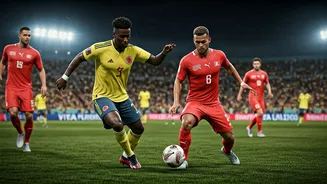
On one side, you have Colombia, a team that embodies the vibrant, attacking spirit of South American football. Under manager Néstor Lorenzo, Los Cafeteros play a fast-paced, high-pressing game, aiming to win the ball and transition quickly to their dangerous
attackers. Their play is rooted in technical skill and creativity, a style of football that is as effective as it is entertaining. On the other side stands Switzerland, a model of European efficiency and tactical discipline. Coached by Murat Yakin, the Swiss are renowned for their defensive solidity and organizational strength. They are a team that is incredibly difficult to break down, frustrating opponents with their compact shape before hitting them on the counter-attack. This match pits Colombia's attacking rhythm against Switzerland's resilient structure, a tactical chess match that promises compelling viewing.
The Colombian Firepower
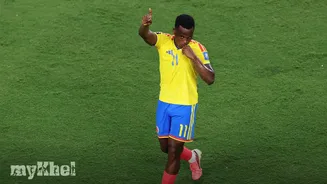
Colombia enters this fixture with an array of attacking talent capable of deciding a match in an instant. The undisputed star is Luis Díaz, whose explosive pace and dazzling dribbling have made him one of the most feared wingers in world football. He is the primary weapon in Colombia's arsenal, capable of creating chaos for any defence. Supporting him is the veteran presence of James Rodríguez. While now in the twilight of his career, his vision, passing range, and magical left foot remain crucial creative assets for the team. The squad also features dynamic players like Jhon Arias, who provides work rate and creativity from midfield or the wing, making Colombia a multi-faceted threat.
The Swiss Defensive Wall
If Colombia's strength is its attack, Switzerland's is its formidable defence. The Swiss have built a reputation as one of the most organized teams in international football, a tradition they have proudly carried into this tournament. At the heart of their backline is Manuel Akanji, a defender who combines physical strength with intelligence and comfort on the ball. He is flanked by other experienced defenders like Nico Elvedi and Ricardo Rodríguez. Shielding the defence is the tireless midfield duo of Granit Xhaka and Remo Freuler. Xhaka, the team's captain and leader, controls the tempo of the game, while Freuler provides the energy and positional discipline needed to break up opposition attacks. This defensive unit has reached the knockout stages in three consecutive global tournaments for a reason.
Key Battle: Díaz vs. the Swiss Flanks
The outcome of this match could very well be decided on the wings. Colombia's most potent attacking strategy involves getting Luis Díaz into one-on-one situations where he can run at defenders. How Switzerland chooses to handle this threat will be critical. They will likely rely on the defensive discipline of their wing-backs and the support of their central midfielders to double up on Díaz and limit his space. The duel between Díaz and Switzerland's right-sided defenders will be a microcosm of the larger battle: Can Colombian individual brilliance break through Swiss collective strength? Keep an eye on how Swiss coach Murat Yakin adjusts his tactics to contain Colombia's most dangerous player. If they succeed, they neutralize a major threat; if they fail, Díaz could run riot.
The Unpredictability of Knockout Football
This is the Round of 16, where every touch, tackle, and decision is magnified. For both nations, a victory brings a coveted spot in the quarterfinals, a stage Switzerland hasn't reached since 1954 and Colombia has only visited once before. The pressure is immense. While Switzerland are known for their consistency, and Colombia for their flair, knockout football has a way of defying expectations. History between these two is sparse, with their only previous World Cup meeting coming in 1994, a 2-0 win for Colombia. This fresh encounter has all the ingredients for a classic: contrasting styles, world-class players, and the immense prize of advancing in the world's biggest tournament. It's a match no football fan should dare to miss.