






A Shift from Concrete Jungles to Green Escapes
The post-pandemic era has cemented remote work as a viable long-term option for many, especially in the tech and creative industries. This flexibility has untethered a generation of workers from mandatory office attendance, empowering them to ask a new
question: not just how they want to work, but where they want to live. For an increasing number, the answer lies in the serene hills of Sikkim. Gangtok, the state's capital, is experiencing a quiet migration of young professionals drawn by the promise of a healthier work-life balance. They are swapping cramped city apartments and stressful commutes for a lifestyle that integrates professional ambition with the tranquility of nature. This trend is part of a larger national movement of 'workations' and location-independent living, as professionals seek to escape urban burnout.
The Search for a Peaceful Environment
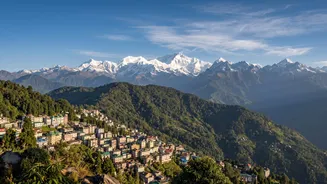
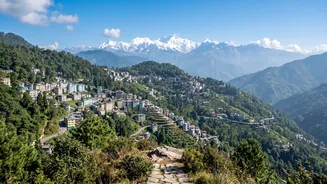
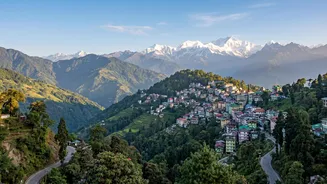
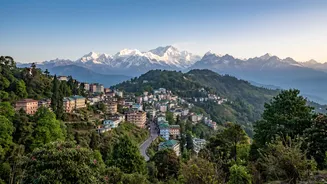
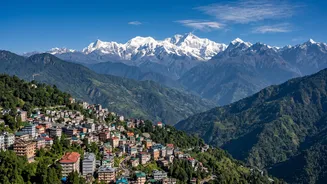
A primary driver for this migration is Gangtok's celebrated environment. The city is renowned for its clean air, low pollution, and overall peaceful atmosphere, a stark contrast to the chaos of India's major urban centers. Strict rules against littering and public smoking contribute to its cleanliness. For remote workers who spend their days in front of a screen, the ability to step outside to crisp mountain air and stunning views of the Himalayas is a significant wellness benefit. The lifestyle is often described as relaxed and stress-free, offering a slower pace that many city dwellers yearn for. This access to nature, with opportunities for weekend treks and exploration, allows for a genuine integration of leisure and work, redefining what work-life balance can look like.
Dependable Wi-Fi: The Digital Backbone of the Hills
The dream of working from the mountains hinges on one crucial factor: internet connectivity. For years, the hills were considered a digital dead zone, but that perception is rapidly changing. Gangtok now boasts reliable high-speed internet, making it a viable base for digital professionals. Major providers like Airtel and Jio offer fibre broadband plans with speeds up to 1 Gbps, ensuring that video calls, coding, and large file transfers can be handled without issue. A July 2026 TRAI drive test in Gangtok confirmed this, reporting average 5G/4G download speeds of 63.89 Mbps for Jio and 50.93 Mbps for Airtel. While connectivity can be patchy in more remote parts of Sikkim, the infrastructure within the capital itself is robust enough to support demanding professional work.
The Favorable Cost of Living
For young professionals starting their careers, finances are a major consideration. Gangtok presents an economically attractive alternative to metropolitan living. Housing, in particular, is significantly more affordable. A one-bedroom apartment can be rented for between ₹5,000 and ₹9,000, a fraction of the cost in cities like Delhi or Mumbai. While some daily necessities and groceries might be slightly more expensive due to transportation logistics, the overall cost of living is substantially lower. One analysis suggests that Delhi is over 40% more expensive than Gangtok overall. This financial relief allows remote workers to save more, invest in hobbies, or simply enjoy a higher quality of life without the constant financial pressure of a big city.
A Growing Community and Workspace Culture
Moving to a new city can be isolating, but Gangtok is developing a welcoming ecosystem for its new residents. The city has a burgeoning café culture, with many spots offering good coffee and a place to work. More formally, dedicated co-working spaces have begun to emerge, catering directly to the needs of remote professionals. Sanctorum, the city's first major coworking space, offers fibre WiFi, meeting rooms, and a podcast studio, creating a hub for digital nomads and local creatives. This infrastructure provides not just a place to work, but also a community, helping newcomers connect with like-minded individuals. Initiatives like the 'Nomad Sikkim' project, which designated the nearby village of Yakten as a 'Digital Nomad Village', further signal the state's commitment to welcoming this new wave of workers.