





The Drishyam Model: A Bet on Narrative Continuity
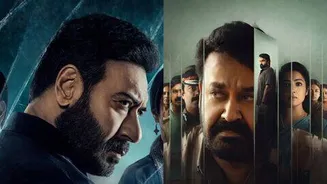
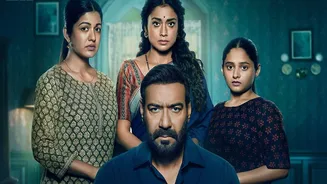
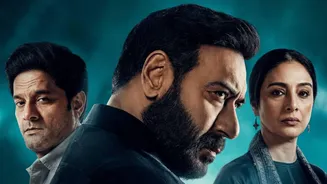
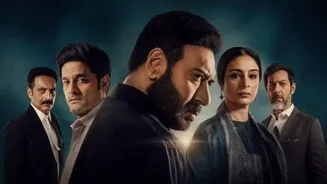
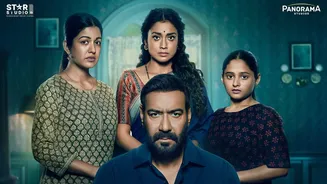
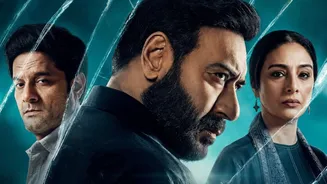
The Drishyam franchise, starring Ajay Devgn as the cunning Vijay Salgaonkar, is built on a simple, powerful premise: direct continuation. Each film is a new chapter in a single, overarching story. Drishyam 2 picks up years after the first film ends, exploring
the lingering consequences of the original crime. The audience's investment is entirely tied to the Salgaonkar family's fate. The success of this model hinges on the strength of the plot. The Hindi series, initially a remake of the Mohanlal-led Malayalam blockbusters, relies on its predecessor's tightly-wound script to keep viewers hooked. The Hindi Drishyam 2 was a massive commercial success, proving that audiences were deeply invested in seeing the next move in this high-stakes chess game. With Drishyam 3, the Hindi franchise took an even bigger leap by creating an original story, diverging from its Malayalam source material for its concluding chapter. This approach is a high-wire act; the story must be compelling enough to justify its own existence, and the tension must escalate logically. The reward, as seen with Drishyam, is a fiercely loyal audience hungry for resolution.
The Bhool Bhulaiyaa Approach: Selling a Vibe
If Drishyam is a novel, Bhool Bhulaiyaa is a collection of spooky stories told around a campfire. The 2022 sequel, Bhool Bhulaiyaa 2, had a different lead actor (Kartik Aaryan for Akshay Kumar), a new story, and a new setting. What it kept was the brand: a unique blend of horror and comedy, the iconic title track, and the spirit of Manjulika. The film wasn’t a direct sequel but a spiritual successor. It wagered that audiences weren't necessarily invested in the specific characters of the 2007 original, but in the feeling the film gave them. The bet paid off spectacularly, with Bhool Bhulaiyaa 2 becoming a blockbuster that revitalised the box office. The recently released Bhool Bhulaiyaa 3 continues this trend, bringing back Kartik Aaryan and Vidya Balan, who starred in the first film, to create a new ghost story under the same banner. This model is far more flexible. You can swap out the cast, director, and plot, as long as you deliver on the core promise of the brand—in this case, laughs and scares in equal measure.
Loyalty to Plot vs. Loyalty to Brand
The core difference lies in what each franchise asks of its audience. Drishyam demands plot loyalty. You need to have seen the previous film to understand the stakes of the current one. The suspense is cumulative, built on years of shared history with the characters. It treats its audience like dedicated readers of a thriller series. Bhool Bhulaiyaa, on the other hand, banks on brand loyalty. It assumes you remember the fun you had with the first film and want to experience it again, like returning to a favourite holiday spot. The barrier to entry is low; you can enjoy Bhool Bhulaiyaa 3 without having seen the first two. This allows the studio to capture a new generation of viewers with each installment while still playing on the nostalgia of the original. Each approach has its own risks. Drishyam's narrative purity means it has a natural endpoint, which the makers of the Hindi version have confirmed with the finality of 'The Conclusion'. The Bhool Bhulaiyaa model can feel repetitive if not handled with care, risking brand dilution if a sequel fails to capture the original's magic.
What This Means for Bollywood's Future
The roaring success of both franchises offers a crucial lesson for Bollywood: there is no single template for a successful sequel. While action-packed spy sagas like the Tiger and War series follow a narrative continuity similar to Drishyam, comedy franchises like Housefull or Golmaal often operate more like Bhool Bhulaiyaa, with recurring characters in largely standalone situations. As Bollywood continues to invest heavily in building cinematic universes and multi-film properties, the contrasting paths of Drishyam and Bhool Bhulaiyaa serve as valuable case studies. One demonstrates the power of a single, gripping story told over multiple chapters, rewarding viewers for their long-term commitment. The other proves the enduring appeal of a well-defined brand that can be reinvented for new audiences, turning a feeling into a recurring blockbuster event.