





Meet Kokum: The Konkan’s Ruby Jewel
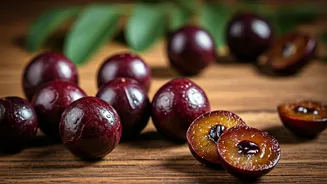
If you’ve travelled along India’s western coastline, particularly in Goa, Maharashtra, and Karnataka, you’ve likely encountered Kokum. Scientifically known as Garcinia indica, this fruit belongs to the same family as mangosteen. When fresh, it’s a small,
round, reddish-purple fruit. However, it's most commonly used in its dried form. The dark purple, almost black, leathery rind of the fruit is sun-dried and preserved, concentrating its signature flavour. What makes Kokum so special is its unique taste profile. Unlike the sharp, aggressive sourness of lime or the earthy tang of tamarind, Kokum offers a bright, acidic flavour with a subtly sweet and floral finish that doesn't overpower a dish. This complexity is what makes it a cherished ingredient in the coastal kitchens where it has been a staple for centuries.
A Traditional Powerhouse of Flavour and Wellness
For generations, Kokum has been more than just a souring agent. In the Konkan region, it’s the heart and soul of many culinary traditions. The most famous of these is undoubtedly Solkadhi, a beautiful pale pink digestive drink made from coconut milk and Kokum extract. It’s the perfect, cooling antidote to a spicy meal. Another popular preparation is Kokum sherbet, a refreshing concentrate mixed with water, sugar, and a hint of cumin, prized for its ability to combat the summer heat. Beyond beverages, dried Kokum is used to add tang to fish curries, lentil dishes (dals), and vegetable preparations. Its traditional use is also rooted in Ayurvedic principles, where it’s valued as a natural coolant for the body, an appetiser, and an aid for digestion. This dual role as both a flavour enhancer and a wellness ingredient has cemented its place in regional food culture.
Why Is It Suddenly Trending?
So, why is an ingredient that has been around for centuries suddenly appearing on trendy restaurant menus and supermarket shelves across India? The answer lies in a perfect storm of modern consumer trends. First, the wellness wave. As more Indians seek natural and healthy alternatives, Kokum fits the bill perfectly. It’s a natural source of antioxidants and is celebrated for its anti-inflammatory properties. Its reputation as a cooling agent makes Kokum-based drinks a far healthier choice than carbonated soft drinks. Second is the growing appreciation for regional Indian cuisine. Chefs and food influencers are championing local ingredients, moving beyond a handful of pan-Indian staples. Kokum, with its unique story and flavour, is a prime candidate for this culinary exploration. You’ll now find it in everything from Kokum-infused gin cocktails and tangy salad dressings to gourmet ice creams and sorbets. Finally, accessibility. Packaged Kokum syrups, concentrates, and ready-to-drink beverages from both artisanal and large-scale brands have made it incredibly easy for people outside the Konkan belt to experience and use it.
How to Bring Kokum into Your Kitchen
Intrigued? Getting started with Kokum is simple. You can find it in two main forms: the dried rinds (often labelled 'Amsul') or as a concentrated syrup (Kokum agal). The dried rinds are best for cooking. Simply soak a few pieces in warm water for 10-15 minutes, and then use the infused water (and the softened rinds, if you wish) in your curries or dals. It imparts a lovely pinkish hue and a delicate sourness. The syrup is your shortcut to instant refreshment. Just mix a few spoonfuls with chilled water, add a pinch of black salt or roasted cumin powder, and you have a delicious homemade sherbet. Don’t be afraid to experiment. Use the syrup to make a vinaigrette for salads, a glaze for grilled vegetables, or even as a tangy mixer for your weekend mocktails and cocktails.