


Why the Monsoon Magnifies Food Risks
The monsoon season's high humidity and ambient warmth create the perfect breeding ground for harmful bacteria, viruses, and fungi like E. coli and Salmonella. This environment accelerates food spoilage and increases the risk of contamination, especially
for raw foods that aren't cooked to kill pathogens. Heavy rains can also lead to contaminated water supplies, which may be used to wash vegetables, raising the risk of foodborne illnesses such as gastroenteritis, typhoid, and cholera. Because of these heightened risks, it's crucial to be extra vigilant with food preparation during this season.
The Art of Washing Produce Correctly
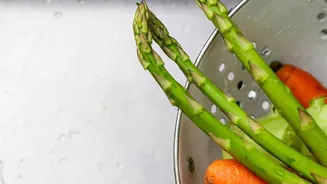
Simply rinsing vegetables under the tap isn't enough during the monsoon. Leafy greens like spinach, lettuce, and cabbage have many folds where dirt, germs, and even tiny insects can hide. For best results, wash all produce thoroughly under clean, running water. For an extra layer of safety, especially with leafy greens, soak them in a bowl of water with a teaspoon of salt or a splash of vinegar for 10-15 minutes. This helps dislodge hidden grime and reduces the microbial load. Always peel vegetables and fruits like cucumbers and carrots after washing them. Remember to dry produce with a clean cloth or paper towel before cutting or storing.
Rule Number One: Keep It Separate
Cross-contamination is a primary cause of food poisoning. It happens when harmful germs are transferred from one surface or food item to another. The most critical rule is to keep raw meat, poultry, and seafood separate from ready-to-eat foods like salad ingredients, from the shopping cart to your refrigerator and countertop. Use dedicated cutting boards—perhaps colour-coded ones (e.g., green for vegetables, red for meat)—and separate knives to prevent the transfer of microbes. Never place washed salad greens on a surface that was just used for raw chicken without first washing and sanitizing it thoroughly.
Mastering Kitchen and Hand Hygiene
A clean kitchen is your best defence. Always wash your hands with soap and hot water for at least 20 seconds before, during, and after handling food—especially after touching raw meat. Keep your kitchen surfaces, utensils, and cutting boards clean. After preparing raw foods, wash surfaces and tools with hot, soapy water. Pay special attention to drying everything completely, as moisture encourages bacterial growth. Avoid using the same cloth to wipe your hands and clean countertops, as this can spread germs. Using paper towels for cleaning up after raw meat is a safer option.
Smart Choices When Prepping and Storing
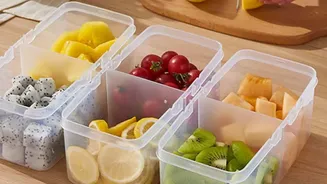
While it may seem convenient, it's best to avoid pre-cut vegetables and fruits sold at markets, especially during the monsoon, as their hygiene is uncertain. The longer a vegetable is chopped and exposed, the higher the risk of contamination. It's much safer to buy whole produce and prepare it at home just before you plan to eat. If you have leftovers, refrigerate them promptly in clean, airtight containers. Some experts even suggest steaming vegetables like broccoli or beans before adding them to a salad to kill off any lingering pathogens, providing a safer but still crunchy alternative.