


The Soul of the Style
This design trend is about more than just aesthetics; it’s about creating a home that feels personal and rooted in culture. Combining old and new allows you to celebrate family heirlooms, support artisanal crafts, and weave a narrative of your own history
into a contemporary lifestyle. The result is a space that is not a museum of antiques but a warm, inviting home filled with character. The contrast between the ornate, detailed nature of traditional Indian pieces and the clean lines of modern design creates a dynamic and visually interesting environment. It’s a celebration of where you come from and where you are now, blending nostalgia with modern comfort.
Start With a Statement Piece
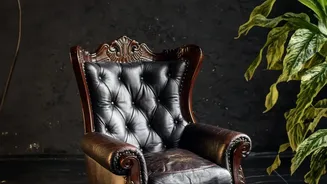
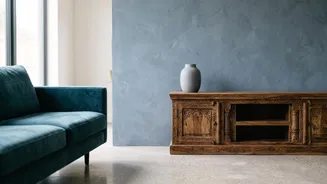
The key to successfully mixing styles is to avoid clutter. Instead of filling a room with many small items, select one or two significant traditional pieces to act as focal points. Think of a majestic, intricately carved wooden jhoola (swing) in a living room with a minimalist sofa, or a vintage dowry chest (sandook) repurposed as a unique coffee table. An antique door or a set of jali screens mounted on a plain wall can also serve as powerful architectural elements that instantly add depth and history to a modern room. The goal is to let these hero pieces shine, with the modern furniture providing a quiet, elegant backdrop.
Create Harmony with Colour and Material
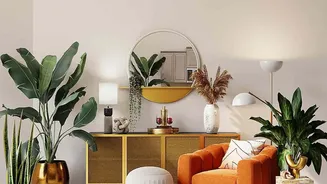
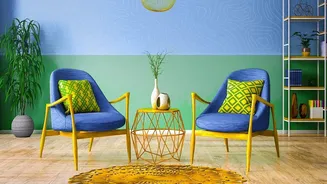
A cohesive colour palette is crucial for tying the two styles together. Modern interiors often rely on neutral bases like white, grey, or beige, which provide the perfect canvas to make traditional Indian elements pop. You can introduce the vibrant hues typical of Indian decor—such as sapphire blue, emerald green, and ruby red—through accent pieces. Similarly, create a dialogue between materials. The warmth of traditional woods like teak and rosewood pairs beautifully with modern materials like glass, steel, and concrete. For instance, a traditional brass urli filled with flowers can look stunning on a sleek metal console table.
Textiles: The Easiest Way to Experiment
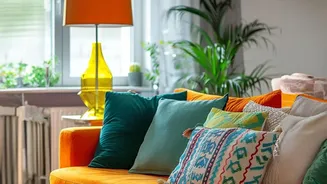
If you’re hesitant to commit to large furniture, textiles are a fantastic entry point into this trend. Indian fabrics are renowned for their rich textures, patterns, and history. Drape a colourful Kantha quilt over a modern grey sofa or use cushion covers made from Ikat, Ajrakh, or block-printed fabrics to add personality to a simple armchair. Handwoven dhurries or rugs can anchor a room and define a space. Even traditional textiles framed as wall art can transform a blank wall into a masterpiece, adding cultural depth and a handmade touch.
Accessorise with Intention
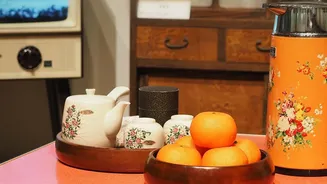
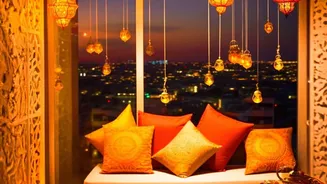
The final layer of character comes from carefully chosen accessories. Grouping a collection of antique brass vessels on a modern shelf, using hand-painted pottery as planters, or hanging a vintage-style mirror can add layers of interest. Lighting also plays a vital role. Combine modern recessed lighting with traditional fixtures like brass lamps or lanterns with jali patterns. These pieces not only provide ambient light but also cast beautiful, intricate shadows that add to the room's atmosphere. Art is another powerful tool; consider hanging traditional artworks like Pichwai or Warli paintings to create a cultural focal point.