





What is 'Lymphatic Walking'?
If you follow wellness accounts online, you've likely seen videos promoting 'lymphatic walking'. The trend often involves a specific style of walking with exaggerated arm swings, intentional deep breathing, and a focus on posture, promising to reduce
bloating and flush toxins by stimulating your lymphatic system. These videos have millions of views, positioning this technique as a 'hack' for better health. The core pitch is that by walking in this particular way, you are actively draining a crucial bodily system responsible for waste removal. But while the name is new and trendy, the underlying concept connects to a very real and important part of our bodies.
Your Body's Unsung Hero: The Lymphatic System
To understand the trend, you first need to know about the lymphatic system. Think of it as your body's sanitation and security department. It's a network of vessels and nodes that helps maintain fluid balance, absorbs fats from the digestive tract, and is a vital part of your immune system. It collects excess fluid, cellular waste, bacteria, and viruses from your tissues. This fluid, called lymph, is then filtered through lymph nodes, where immune cells attack and destroy harmful substances before the cleaned fluid is returned to the bloodstream. Unlike your cardiovascular system, which has the heart as a central pump, the lymphatic system has no pump of its own. It relies on the contraction of your muscles and your breathing to move fluid around.
Movement Helps, but 'Detox' Claims Are Misleading
This is where walking comes in. Any form of movement, especially rhythmic activities like walking, swimming, or cycling, helps circulate lymph fluid. The muscle contractions in your legs act as a pump, pushing the fluid upwards. Deep breathing also helps move lymph through your chest and abdomen. So, yes, walking is fantastic for your lymphatic system. However, there is no scientific evidence to suggest that the specific, stylized techniques of 'lymphatic walking' are any more effective than a normal, brisk walk. The term itself is mostly a new marketing wrapper on an old truth: movement is good. The claims about 'flushing toxins' are also misleading. While the lymphatic system does move cellular waste, your body's primary detoxification organs are the liver and kidneys. No single exercise is going to magically 'detox' you. The goal is to support your body's natural systems, not to fall for quick-fix claims.
The Real Magic: Regular, Rhythmic Walking
Instead of focusing on a complicated new trend, the real takeaway should be an appreciation for simple, rhythmic walking. Its benefits are vast and well-documented. Consistent walking improves cardiovascular health, helps manage weight, strengthens bones, boosts your mood, and yes, it effectively supports your lymphatic system. The key is not the specific technique, but the consistency and rhythm. A good walk engages large muscle groups throughout the body, promoting healthy circulation of both blood and lymph. The 'rhythmic' part is important—a steady, continuous pace is more beneficial for this purpose than stopping and starting frequently. The beauty of walking is its accessibility; it requires no special equipment or training, just a commitment to move your body regularly.
How to Build a Better Walking Habit
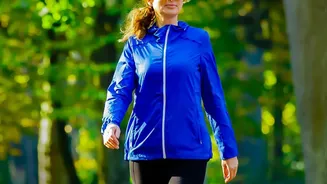
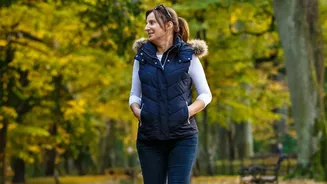
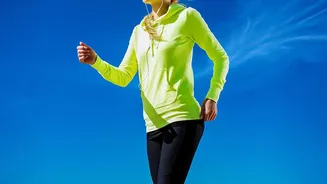
Forget the 'hacks' and focus on the fundamentals. To get the most out of your walks, stand tall and keep your shoulders relaxed. Let your arms swing naturally from the shoulders, which helps with balance and upper-body lymph flow. Focus on a smooth, heel-to-toe foot strike. Your calf muscles are sometimes called the body's 'second heart' for their role in pumping fluids upward. Try to maintain a pace that elevates your heart rate but still allows you to hold a conversation. Aim for consistency over intensity. A 20-30 minute walk most days of the week is a fantastic goal. Even multiple shorter 10-minute walks throughout the day can provide significant benefits. The most effective walking routine is the one you will actually stick with.