



The New Work-Life Equation
The shift to remote work has redrawn the map for professionals across India. No longer tethered to a physical office, many are seeking environments that offer not just a place to work, but a better quality of life. The chaos of urban centres is being
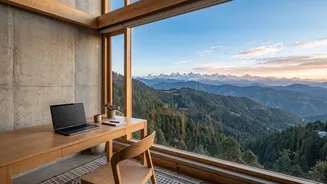
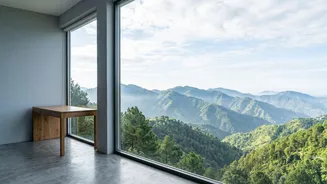
swapped for the calm of the mountains, where a lower cost of living, clean air, and natural beauty promise to boost both creativity and well-being. This migration has given rise to informal 'co-living havens'—ecosystems of work-friendly homestays, connected cafes, and supportive local communities. While not always formal, branded spaces, these towns offer the key ingredients for a successful workation: reliable internet, comfortable long-stay options, and a community of like-minded individuals.
Landour: A Quiet Colonial Retreat
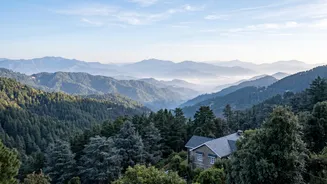
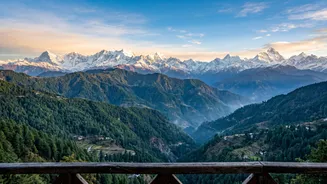
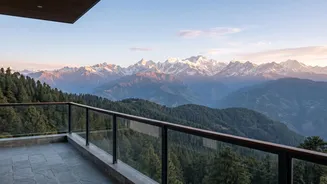
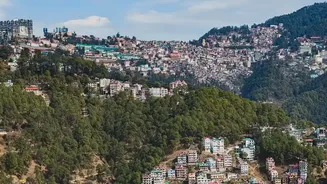
Perched just above the bustling hill station of Mussoorie, Landour feels like a step back in time. As a former British cantonment, its development has been strictly controlled, preserving its quiet, colonial character. The result is an almost complete absence of the commercial noise typical of other tourist towns. For the digital nomad, this translates to an environment of unparalleled focus. The 'office' might be a wooden table at the iconic Landour Bakehouse or a guesthouse balcony overlooking the deodar forests. The town has a long-established community of writers and academics, fostering an atmosphere of quiet intellectualism. While you won't find large co-working brands, many guesthouses and cottages offer monthly rates with reliable Wi-Fi, specifically catering to long-term visitors. The community is small, the pace is slow, and the primary activity beyond work is walking the serene, winding roads.
Almora: Cultural Vibrancy and Cosmic Energy
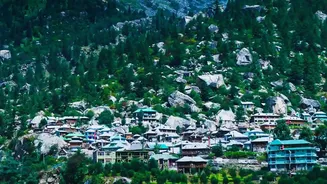
Further into the Kumaon Himalayas lies Almora, a historic town that offers a different flavour of mountain life. Almora is a living, breathing town with a rich cultural heritage and a bustling market. Its appeal for remote workers often centres on its proximity to Kasar Devi, a ridge famous for its panoramic Himalayan views and a unique geomagnetic field that has drawn artists, mystics, and thinkers for decades, including Swami Vivekananda and Bob Dylan. This has cultivated a vibrant, creative, and spiritual community. The 'co-living' experience here is a blend of staying in traditional Kumaoni homestays and engaging with the artistic local scene. Hostels and guesthouses in and around Kasar Devi are well-attuned to the needs of remote workers, often providing multiple Wi-Fi connections and common areas that encourage interaction and collaboration. Almora offers a balance between peaceful solitude and the energy of a culturally active town.
The Nomad's Practical Guide: Landour vs. Almora
Choosing between Landour and Almora depends entirely on your personality and work style. If your priority is deep, uninterrupted focus in a secluded, almost European-feeling village, Landour is your answer. Its infrastructure is built on quietude. Internet connectivity, once a concern, has improved dramatically, with both 4G and fibre broadband from providers like Jio and Airtel now widely available. If you thrive on cultural immersion, creative energy, and a more spiritual environment, Almora and the Kasar Devi ridge will be more appealing. It offers a stronger sense of being integrated into a living community. Connectivity here is also robust, with fibre plans readily available to support video calls and data-heavy tasks. In terms of cost, both are significantly more affordable than metropolitan cities, though Landour's boutique appeal can sometimes mean slightly higher prices for accommodation compared to the wider range of options in Almora.