




The Rise of the Micro-Break
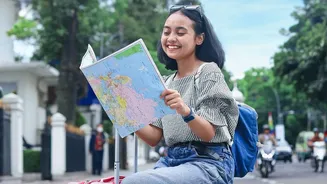
In our fast-paced world, waiting an entire year for a vacation feels like a lifetime. Work pressures and the desire for regular rejuvenation have given rise to the 'micro-break'—short, frequent getaways of one to three days. A recent travel trends report
highlights this shift, noting that the average domestic trip now lasts just 1.7 nights. This new travel rhythm is fuelled by a desire for experiences over simple sightseeing. Professionals are leveraging flexible work schedules to turn long weekends into mini-vacations, seeking to recharge without the extensive planning and budget of a long holiday. It's a clear signal that Indian travellers are moving away from the traditional annual vacation model and embracing a more continuous, lifestyle-integrated approach to leisure.
More Than Just Music
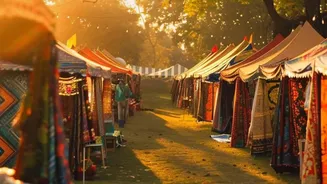
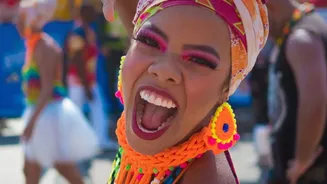
Today's festivals are no longer single-focus events. They have evolved into multi-sensory experiences that cater to a wide range of interests. Modern festivals now offer a compelling mix of live music, contemporary art installations, culinary explorations, wellness workshops, and even adventure sports. Organisers understand that to attract the weekend traveller, they need to provide a complete package. This eclectic approach means you can start your day with a yoga session, spend the afternoon exploring local food stalls and art, and end the night listening to your favourite band under the stars. Festivals like Ziro in Arunachal Pradesh combine indie music with the stunning natural beauty and culture of the region, while others held in vineyards offer wine-tasting sessions alongside performances. This pivot towards holistic, immersive experiences is a key reason they have become powerful tourism catalysts.
Curated for the Modern Traveller
The success of festivals as travel destinations lies in their convenience. Organisers are making it easier than ever to just show up and have a good time. Many festivals now offer on-site accommodation, from comfortable tents to luxury glamping, eliminating the hassle of finding a hotel. Travel portals and festival websites often provide bundled packages that include transport, entry tickets, and stays. Furthermore, the rise of multi-city editions of popular festivals like NH7 Weekender brings the experience closer to home, making a weekend trip even more feasible. These events are designed to be compact and impactful, perfect for a generation that values experiences but is often short on time. This focus on a seamless, plug-and-play model has been crucial in converting festival-goers into weekend tourists.
A Boost for Local Economies
This trend does more than just offer travellers a new way to vacation; it provides a significant economic boost to host locations, many of which are in non-traditional tourist areas. These festivals create a temporary, high-impact economy, benefiting everyone from local artisans and food vendors to small hotels and transport providers. By design, many boutique festivals are held in off-peak seasons and in more remote locations, which helps to distribute tourist traffic more evenly throughout the year and across the country. Events like the Hornbill Festival in Nagaland or the Rann Utsav in Gujarat have become major drivers of tourism, putting their regions on the national and international map. This creates a sustainable model where tourism helps preserve and promote local culture, rather than overwhelming it.