





More Than Just a Side Dish
For generations, the sight of glass jars filled with mangoes, lemons, or chillies sunning on a terrace was a staple of Indian households. This wasn't just about preserving seasonal produce; it was about creating a flavourful, functional food meant to
be eaten with every meal. Traditional Indian pickles, or achar, are far more than a simple condiment. They are a treasure trove of complex flavours, regional identity, and, most importantly, health benefits that are incredibly relevant today. In a world of processed foods and hurried lunches, rediscovering the wisdom in that jar can transform our approach to daily nutrition.
The Science of Traditional Fermentation
The secret to the health-giving properties of many regional pickles lies in one ancient process: fermentation. Unlike many commercial varieties that use vinegar for a quick sour taste, traditional pickles are often made by lacto-fermentation. This involves preserving vegetables or fruits in a salt brine, which encourages the growth of beneficial bacteria like Lactobacillus. These are the same probiotics found in curd that are celebrated for promoting a healthy gut. A balanced gut microbiome is linked to improved digestion, better nutrient absorption, and a stronger immune system, as a significant portion of our immunity resides in the gut.
A Pharmacy in a Jar
Beyond probiotics, traditional pickles are packed with potent ingredients. Spices like turmeric (with its anti-inflammatory curcumin), fenugreek, mustard seeds, and asafoetida (hing) are not just for flavour; they have digestive and antioxidant properties. The choice of fruit or vegetable adds another layer of nutrition. Amla pickle, for instance, is a powerhouse of Vitamin C, known for boosting immunity and promoting healthy hair and skin. Mango pickles provide Vitamins A and C, while the Punjabi winter favourite, Gajar-Gobi-Shalgam pickle, delivers fibre and vitamins from its trio of vegetables. The use of cold-pressed mustard oil in many recipes adds healthy fats and acts as a natural preservative.
Know Your Pickle: Traditional vs. Commercial
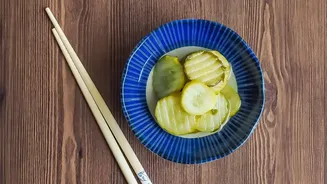
It's crucial to distinguish between traditionally made pickles and their mass-produced counterparts. Many commercial pickles are made for long shelf life and consistent taste, often using vinegar, excess sodium, and chemical preservatives that can negate the health benefits. The pasteurisation process used by some manufacturers kills both good and bad bacteria, eliminating any probiotic potential. Authentic, homemade-style pickles rely on natural preservatives like salt, oil, and spices, along with the magic of sunlight, to mature. Choosing these versions means you are getting the full spectrum of flavour and health benefits.
A Spoonful of Health for Modern Meals
Integrating this traditional wisdom into a fast-paced life is surprisingly simple. You don't need to change your entire diet. A small spoonful of achar can elevate simple, everyday meals. Mix a little lemon or chilli pickle into a bowl of dal and rice, add a sliver of mango pickle to your roti or paratha, or even use the tangy brine as a dressing for a quick salad. It's a simple hack to add a burst of flavour and a dose of nutrients to your meal. The key is moderation; since pickles are concentrated in salt and oil, a small amount is all you need to reap the benefits without overdoing it.