



Why Extra Care Is Needed During Monsoon
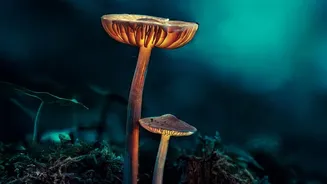
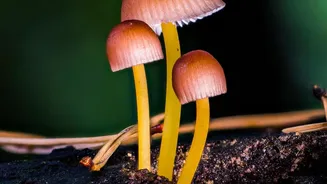
The damp, humid conditions of the Indian monsoon are a perfect breeding ground for all kinds of fungi, including mushrooms. This is why they are so abundant. However, this same environment accelerates spoilage and encourages the growth of harmful bacteria
and mould. Mushrooms have a high water content and can spoil quickly, developing a slimy texture, dark spots, or an unpleasant smell. Eating spoiled mushrooms can lead to food poisoning with symptoms like nausea, vomiting, and stomach pain.
The Golden Rule: Avoid Wild Mushrooms
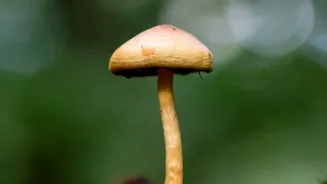
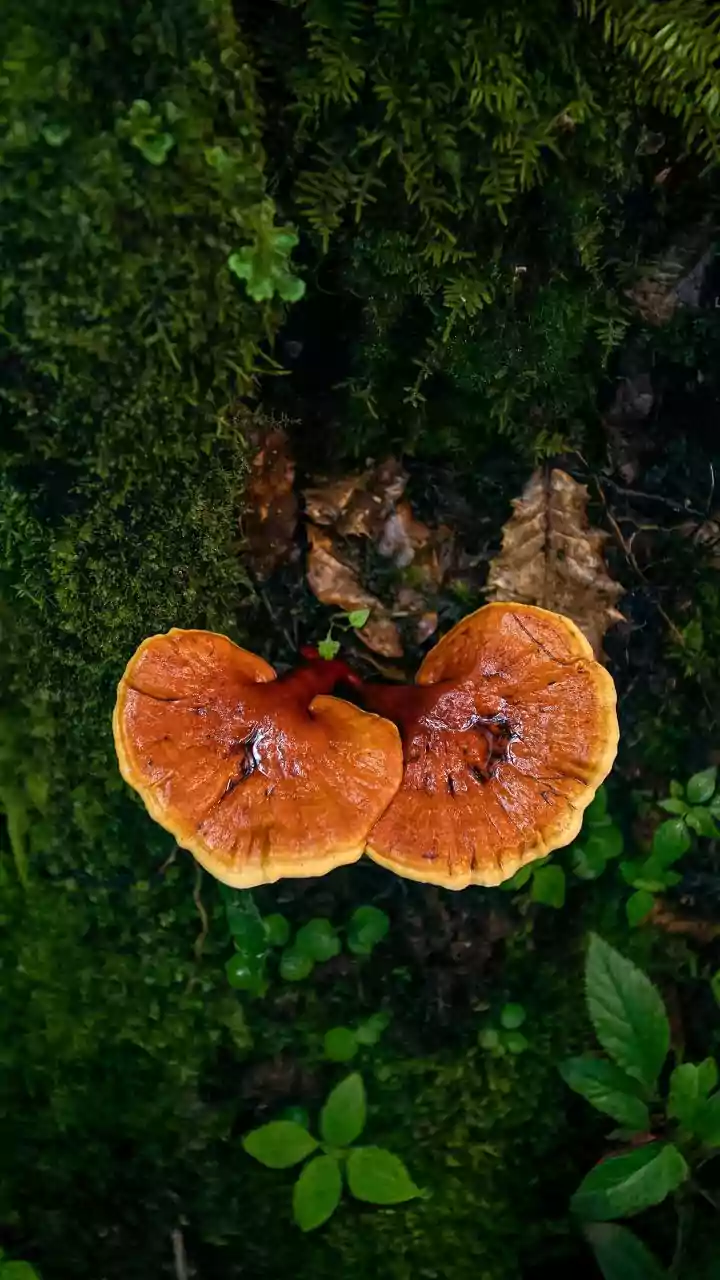
The most critical safety rule is to avoid foraging for and eating wild mushrooms. Many poisonous varieties look strikingly similar to edible ones, and there are no simple tests to tell them apart. In India, several poisonous species, including the deadly Amanita family (often called 'death caps'), grow wild, especially during the rains. These toxic mushrooms can cause severe health issues, including liver failure and death, and their toxins are often not destroyed by cooking. Unless you are a trained mycologist (a mushroom expert), stick to commercially grown mushrooms from reputable sources.
A Smart Shopper's Guide to Buying
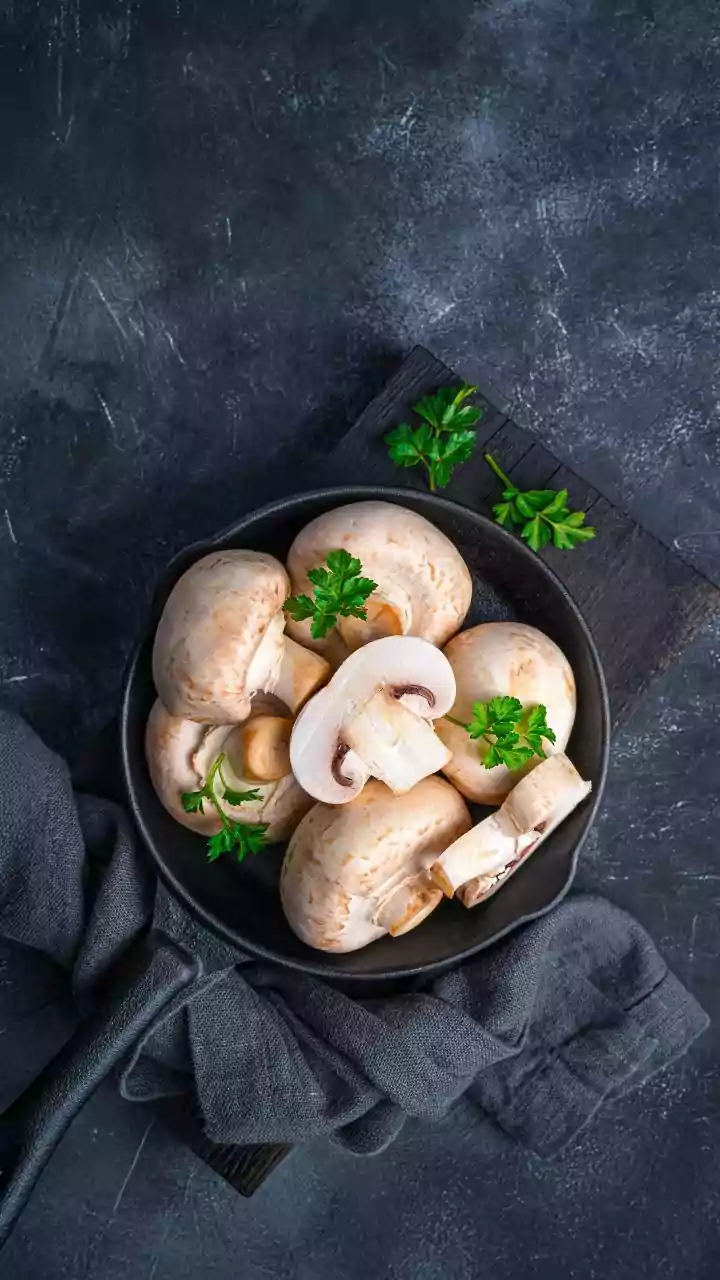
Your safety check starts at the market. Always buy mushrooms from clean, reliable shops rather than roadside stalls where storage conditions may be poor. When selecting, look for mushrooms that are firm, dry, and whole. Avoid any that appear slimy, bruised, wrinkled, or have dark, wet spots. Give them a gentle sniff; fresh mushrooms should have a pleasant, earthy smell, not a sharp, sour, or mouldy one. Trust your senses—if they look or smell off, do not buy them.
Proper Storage and Cleaning at Home
Once you bring mushrooms home, proper storage is key to keeping them fresh. Store them in a porous paper bag in the main compartment of your refrigerator, not the humid crisper drawer. Plastic bags trap moisture and will make them slimy and spoil faster. It's best not to wash mushrooms until you are ready to cook them, as the extra moisture speeds up decay. When it's time to cook, wipe them clean with a damp paper towel. If they are very dirty, a quick rinse under cold water is fine, but make sure to pat them dry immediately.
Cooking and Consumption Safety
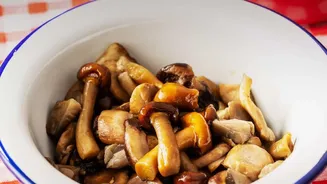
Always cook mushrooms thoroughly. Cooking helps destroy harmful microorganisms that might be present, especially during the monsoon. Never eat wild mushrooms raw, and it's generally a good practice to cook even store-bought ones to improve digestibility. Once cooked, it's best to consume mushroom dishes soon after preparation. If you have leftovers, refrigerate them promptly in a clean, dry container and reheat until steaming hot before eating.
Recognising the Signs of Poisoning
Mushroom poisoning symptoms can appear anywhere from 30 minutes to 24 hours after consumption. Early symptoms often include severe gastrointestinal issues like intense stomach cramps, nausea, vomiting, and diarrhoea. More dangerous toxins, like those in Amanita mushrooms, may have delayed symptoms. A person might feel better after the initial sickness, but the toxins could be damaging the liver and kidneys internally. Other symptoms can include confusion, muscle weakness, or a rapid heart rate.