





Start with a Water-Resistant Bag
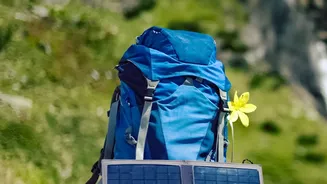
Your first line of defence is your primary travel bag. While few fabric bags are completely waterproof, starting with a water-resistant backpack or suitcase makes a significant difference. Look for materials with a repellent coating and covered zippers.
A standard soft-sided bag can act like a sponge in heavy rain, but a good water-resistant one ensures that even if the exterior gets soaked on an airport tarmac or during a rickshaw ride, your contents have a fighting chance of staying dry. Think of this as the outer shell of a multi-layered protection strategy.
Embrace the Power of Dry Bags
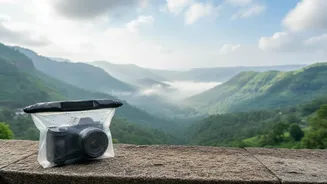
For your most valuable electronics like a camera or laptop, a single layer of protection is often not enough. Investing in dedicated dry bags is a smart move for any serious traveller. These lightweight pouches provide a watertight seal, usually with a roll-top closure that is far more secure than a standard zip. You can place each expensive device in its own dry bag before packing it. This method, known as 'double-bagging', provides peace of mind that even if your main backpack fails, your gear remains shielded in its own waterproof cocoon. They are available in various sizes to fit everything from a phone to a laptop.
Never Underestimate Ziplock Bags
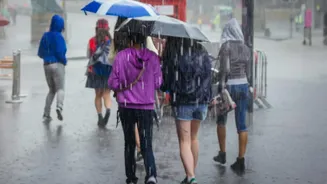
You don't always need expensive gear to stay dry. The humble ziplock bag is a traveller’s best friend. While not as robust as a dry bag for full submersion, they are perfect for organising and protecting smaller items like chargers, power banks, cables, and memory cards from splashes and ambient moisture. They are cheap, lightweight, and transparent, making it easy to see what’s inside. It's a great practice to keep a few extra empty bags for emergencies, like protecting your phone during a sudden cloudburst.
Use a Dedicated Tech Organiser
A tangled mess of cables doesn't just look chaotic; it also takes up more space and can lead to damage. A dedicated electronics organiser or tech pouch can neatly store your chargers, cables, and adapters. Many of these organisers are made from water-resistant materials, adding another layer of protection. Using elastic loops and zippered pockets keeps everything secure, protecting the delicate connection points of your cables and making it easy to find what you need without digging through your entire bag.
Combat Humidity with Silica Gel
Direct water isn't the only enemy during the monsoon; high humidity is a silent threat. Moisture in the air can cause corrosion and damage to internal electronic components over time. Those little 'do not eat' packets found in new shoe boxes are filled with silica gel, a powerful substance that absorbs moisture. Before your trip, collect a few of these and sprinkle them throughout your luggage, especially inside your camera bag, laptop sleeve, and the pouches where you store your electronics. It's a zero-weight, zero-space hack that can save your gadgets.
Consider a Specific Waterproof Case
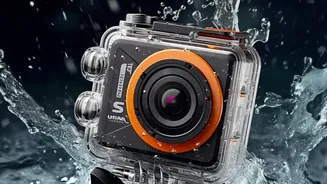
If you plan on having your phone or camera out frequently in the rain, a dedicated waterproof case is worth the investment. Unlike a simple pouch, these cases are designed to allow you to operate your device while it remains fully sealed. This means you can take photos, navigate with GPS, or answer calls without exposing your device to the elements. While it adds a bit of bulk for one item, its utility often outweighs the space it takes up, especially for photography enthusiasts or trekkers.
What to Do If a Device Gets Wet
Even with the best preparation, accidents happen. If one of your gadgets gets wet, the first rule is not to turn it on. Immediately get it to a dry place, power it down completely, and remove the battery if possible. Open any compartments to allow air to circulate and wipe it down. You can place the device in a container of uncooked rice or with silica gel packets, as these materials are hygroscopic and will help absorb lingering moisture. Be patient; it can take a day or more for the device to dry out completely.