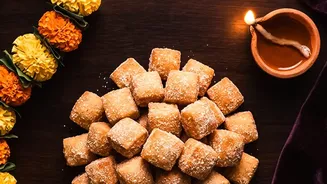


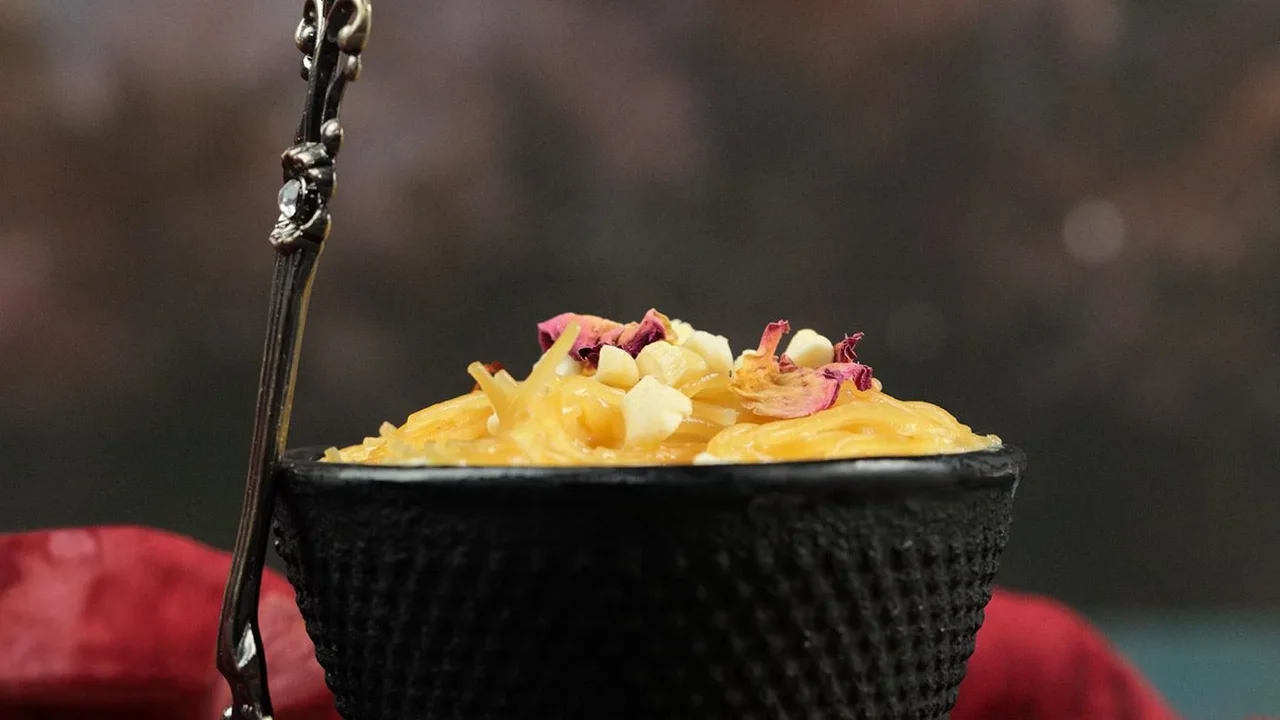
The festive lights dim, but the post-Diwali cough lingers, thanks to changing weather and smoky air. For generations, the answer has been a warm bowl of Besan Sheera. But while this dish is comforting, is it really a 'cure'?
The Golden Glow of a Household Staple
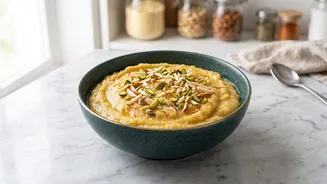
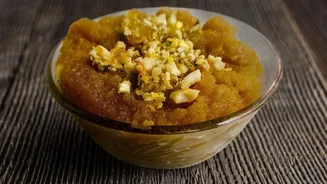
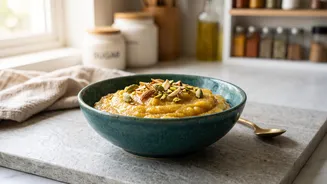
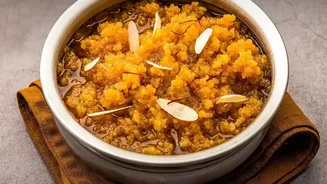
Besan Sheera, or Besan ka Halwa,
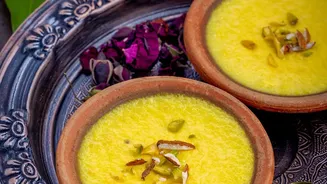
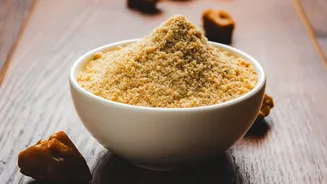
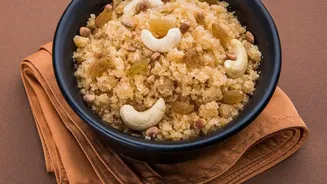
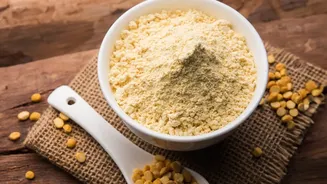
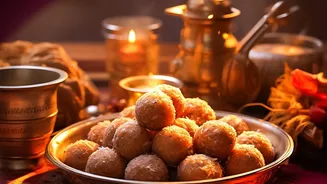
is a simple, aromatic pudding-like dish cherished in many Indian homes, especially in Punjab. The recipe is straightforward: gram flour (besan) is patiently roasted in ghee until it releases a nutty fragrance, then simmered with milk or water, sweetened with jaggery or sugar, and often spiced with cardamom, turmeric, and black pepper. Served hot, this semi-thick beverage is the very definition of comfort food—a warm, nourishing hug in a bowl that evokes feelings of care and tradition. Its ingredients are pantry staples, making it an accessible go-to when someone is feeling under the weather.
Why It's a Post-Festival Favourite
The timing of Besan Sheera's popularity is no coincidence. The days following Diwali often see a spike in respiratory irritation. A combination of firecracker smoke, crop burning, and the natural shift into cooler, drier winter weather can lead to what many call the 'post-Diwali cough'—a persistent scratchy throat, congestion, and fatigue. In this context, families turn to traditional remedies passed down through generations. Besan Sheera is a classic 'dadi ma ka nuskha' (grandmother's remedy), prepared to soothe the throat, provide warmth, and offer a bit of easily digestible energy when you’re not feeling your best.
Breaking Down the 'Soothing' Ingredients
The belief in sheera's efficacy isn't just folklore; its components have properties that provide tangible comfort. Ghee helps lubricate and soothe an irritated throat. Besan itself is a good source of protein and antioxidants. Spices like turmeric contain curcumin, known for its anti-inflammatory properties, while black pepper can act as an antibacterial agent and helps the body absorb curcumin better. The warmth of the dish helps loosen congestion, much like a bowl of chicken soup. Together, these ingredients create a concoction that genuinely helps you feel better by providing temporary relief from symptoms.
Soothe vs. Cure: An Important Distinction
Herein lies the crucial point: soothing is not the same as curing. While Besan Sheera can ease the discomfort of a cough, it does not eliminate the underlying cause, whether it's a viral infection or irritation from pollutants. Medical experts and nutritionists are clear that no single food can cure an illness. The term 'cure' implies the eradication of a disease. Foods and home remedies can support the body's healing process, manage symptoms, and provide comfort, but they are not a replacement for medical treatment. Thinking of a food as a cure can be misleading and potentially risky.
The Quiet Danger of Calling Food a 'Cure'
Describing any food as a 'cure' can create a false sense of security. It might lead someone to delay seeking professional medical advice for a persistent or severe cough. A lingering cough could be a symptom of a more serious underlying condition, such as bronchitis, asthma, or other respiratory infections that require specific medical intervention. Relying solely on home remedies without a proper diagnosis can prevent timely and effective treatment. While traditional wisdom offers valuable comfort, it should complement, not replace, modern medical guidance.