





The Push for a Cleaner Diwali
For years, the joyous celebration of Diwali has been followed by a grim after-effect: a thick, hazardous smog that chokes major Indian cities. The smoke from traditional firecrackers, laden with heavy metals and particulate matter, contributes significantly
to this severe dip in air quality, posing serious health risks. In response to this public health crisis, the Supreme Court of India has intervened multiple times, leading to a regulatory framework that seeks a balance between tradition and environmental responsibility. The result was the prohibition of conventional firecrackers and the introduction of a new, regulated category: green crackers.
What Exactly Makes a Cracker 'Green'?
A 'green cracker' is not pollution-free, but it is designed to be significantly less harmful than its traditional counterpart. Developed by scientists at the Council of Scientific and Industrial Research-National Environmental Engineering Research Institute (CSIR-NEERI), these crackers have a modified chemical composition. They are manufactured to reduce particulate matter emissions by at least 30 percent. Critically, green crackers do not contain certain banned, highly toxic chemicals such as lithium, arsenic, lead, and mercury. A key point of regulation has also been the use of barium nitrate, a chemical that produces the vibrant green in fireworks but is also a major pollutant. The Supreme Court continues to oversee studies on its impact.
The Three Main Types of Green Crackers
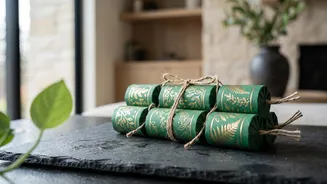
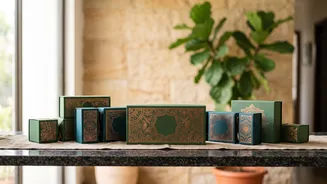
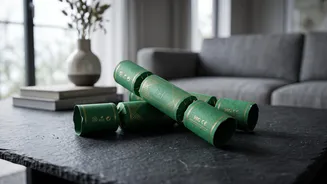
CSIR-NEERI has formulated three main categories of green crackers that manufacturers can produce. Understanding them can help you know what you're buying. The first is SWAS (Safe Water Releaser), which releases water vapour as it bursts, helping to suppress dust. The second is STAR (Safe Thermite Cracker), which reduces the amount of particulate matter released because it doesn't use potassium nitrate and sulphur. The third is SAFAL (Safe Minimal Aluminium), which uses a minimal amount of aluminium and replaces magnesium with a less hazardous element. These innovations aim to preserve the light and sound of the festival while curbing the most dangerous emissions.
How to Identify Genuine Green Crackers
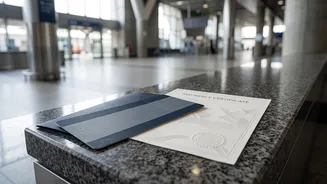
This is the most crucial step for any consumer. To ensure you are buying legally compliant products, look for three specific things on the box. First, every authentic green cracker package must have the official CSIR-NEERI logo printed on it. Second, alongside the logo, there will be a scannable QR code. When you scan this code with your smartphone, it should lead you to a verification page that confirms the manufacturer's details and the product's authenticity. A dead link or mismatched information is a major red flag. Finally, the box should clearly state the name of the manufacturer and its licence details, as all production is regulated by the Petroleum and Explosives Safety Organisation (PESO). Avoid buying loose crackers or those in unbranded packaging.
What the Latest Rules Say for 2026
Recent Supreme Court rulings ahead of the 2026 season have indicated a nuanced approach, rejecting both a complete ban and unrestricted use of fireworks. The court has allowed the use of certain types of 'laris' or joined crackers, provided they are of the approved green variety and meet strict technical specifications. However, this is not a blanket approval for all firecrackers. Bursting crackers is still subject to time limits set by authorities in different states and cities. It is vital for consumers to check the specific rules issued by their local administration for Diwali 2026, as these can include designated hours during which even green crackers are permitted. The manufacture, sale, and use of all conventional, non-certified crackers remain prohibited across the country.