






Understanding the Afternoon Slump
That familiar feeling of drowsiness that descends a few hours after lunch is a well-known phenomenon. Often called the 'post-lunch dip' or 'afternoon slump', it's not just in your head. This energy drop is linked to our natural circadian rhythms, which
see a dip in alertness in the early afternoon. However, what we eat for lunch plays a huge role. Heavy meals, especially those rich in carbohydrates and sugars, can cause a spike in blood sugar followed by a sharp crash, leaving you feeling drained, foggy, and unproductive. This is often compounded by indigestion or bloating from a hastily eaten meal, which further saps your body's energy reserves as it works overtime to process the food.
An Age-Old Remedy from Indian Kitchens
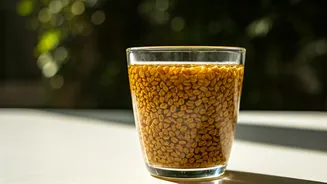
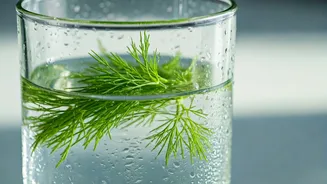
In India, the solution might be simpler than you think and has been practised for generations. Many of us grew up watching our elders chew on a spoonful of fennel seeds, or *saunf*, after a heavy meal. It’s a staple at restaurant counters for a reason. This practice is rooted in Ayurveda and traditional wisdom, where fennel is celebrated for its powerful digestive properties. Drinking warm fennel water is simply an extension of this custom. It’s a gentle, hydrating way to harness the benefits of these tiny seeds, helping to soothe the stomach and, in turn, fend off the digestive discomfort that contributes to afternoon lethargy.
The Science Behind Saunf
Fennel seeds are more than just a mouth freshener. They are packed with essential oils, including anethole, fenchone, and estragole, which give them their characteristic aroma and medicinal properties. These compounds are known to have carminative effects, meaning they help expel gas from the intestinal tract, reducing bloating and cramping. The anethole in fennel helps relax the smooth muscles of the stomach and intestines. This smooth muscle relaxation aids digestion, allowing food to move through your system more efficiently and preventing the 'stuffed' feeling that often leads to sleepiness. By improving digestion, your body doesn't have to work as hard, freeing up energy that would otherwise be diverted to your gut.
How to Prepare Warm Fennel Water
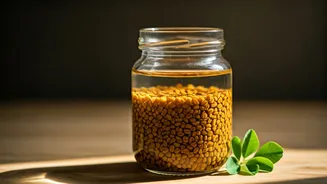
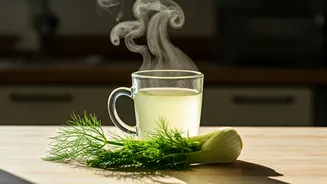
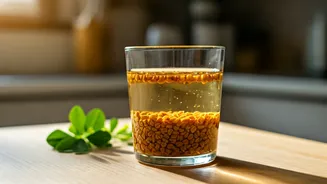
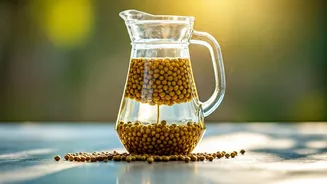
Making this soothing drink is incredibly simple. You don’t need any fancy equipment, just fennel seeds and hot water. Here’s a basic recipe: 1. **Gather your ingredients:** You will need 1 teaspoon of fennel seeds (*saunf*) and 1 large cup (about 250 ml) of water. 2. **Lightly crush the seeds:** For a more potent flavour and to release the essential oils, you can lightly crush the fennel seeds using a mortar and pestle or the back of a spoon. 3. **Boil or Steep:** You have two options. You can either add the seeds to the water and bring it to a boil, letting it simmer for 3-5 minutes. Alternatively, you can place the seeds in a cup and pour boiling water over them, letting it steep for about 5-10 minutes, just like you would with tea. 4. **Strain and Sip:** Strain the seeds from the water and pour the infused liquid into your favourite mug. It’s best consumed warm.
When and How to Drink It
For maximum benefit against the afternoon slump, the ideal time to drink warm fennel water is about 30 to 60 minutes after your lunch. This gives the active compounds in fennel time to start working on your digestive system before lethargy has a chance to set in. Drinking it warm is traditionally recommended as warm liquids are generally thought to be more soothing for digestion than cold ones. While fennel water is safe for most people, those with allergies to plants like carrots or celery should be cautious. It's also best for pregnant women to consult their doctor before adding new herbal remedies to their routine. The goal isn't to replace your water intake, but to add one purposeful cup to your afternoon ritual.