




Swapping Crowds for Calm in the South
While North Goa buzzes with relentless energy, the south unfolds at a slower, more deliberate pace. For the solo traveller, this translates into wide-open spaces, quieter roads, and a chance to genuinely disconnect. The journey south of Margao reveals
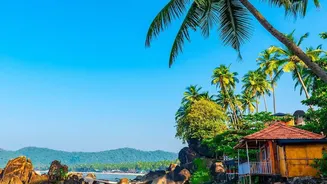
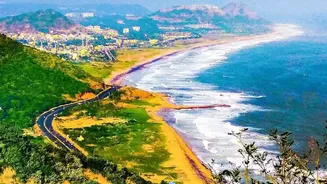
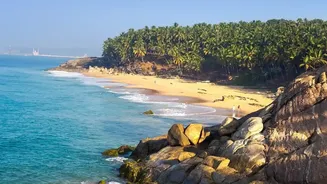
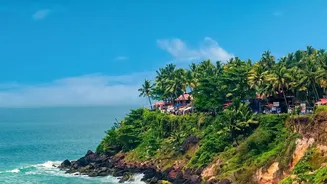
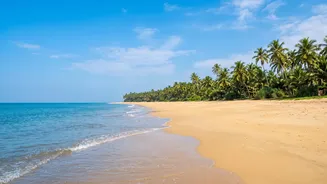
a different landscape: one of sleepy villages, lush paddy fields, and coastlines that prioritise peace over parties. This region is less about the frenetic nightlife and more about soaking in the natural beauty. Beaches here, like Agonda and Galgibaga, are known for their calm atmosphere, making them ideal for those whose travel goals include relaxation, reading, and introspection rather than all-night raves.
Agonda: A Haven of Serenity and Wellness
Agonda Beach strikes a perfect balance between tranquility and convenience. This 3km stretch of golden sand is a designated Olive Ridley turtle nesting site, which means development is controlled and the vibe remains peaceful. The waves are generally calm, making it excellent for swimming. For a solo traveller, Agonda offers an easy rhythm. Days can be spent practicing yoga at one of the many wellness retreats, kayaking in the calm waters, or simply finding a quiet spot at a beachfront cafe like Zest, a popular hub for international travellers. Accommodation is plentiful, ranging from budget-friendly beach huts at around ₹1000 a night to more comfortable resorts, many of which are popular with solo visitors. Renting a scooter is the best way to maintain independence, allowing for easy exploration of nearby coves like Butterfly Beach.
Galgibaga: Goa’s Secret Turtle Sanctuary
Further south lies Galgibaga, one of Goa's most pristine and protected beaches. Known as Turtle Beach, it's one of only four government-protected Olive Ridley nesting sites in the state. This conservation status means the beach is almost entirely free of commercial shacks, vendors, and loud music, offering an experience of raw, untouched nature. The shoreline is fringed with pine trees instead of the usual palms, adding to its unique character. Due to its protected status, accommodation options are minimal and located back from the shore, preserving the beach's wild feel. Solo travellers seeking true solitude will find it here, with little to do but walk the long, clean stretch of sand and appreciate the quiet. The nesting season runs from November to February, and visitors can sometimes witness conservation efforts, but must maintain a respectful distance.
Practical Tips for the Solo Sojourner
Travelling solo in South Goa is generally considered safe, especially in quieter areas like Agonda. However, standard precautions are always wise. Choose accommodations with good reviews from other solo female travellers and avoid isolated stretches after dark. Renting a scooter provides the most freedom, but always pre-arrange transport if you plan to be out late. For travel between beaches, local buses connect towns like Canacona (the nearest major hub), from where you can get an auto-rickshaw. It's best to carry cash, as many smaller establishments may not accept cards. Most importantly, share your itinerary with someone back home and keep your phone charged.
The Journey Inward
A solo trip to these quiet corners of Goa is more than just a holiday; it's an opportunity to reconnect with yourself. The lack of structured activities and nightlife encourages a different kind of engagement. It’s about watching the fishing boats at dawn, taking long, uninterrupted walks, and enjoying a meal with no distractions other than the sound of the waves. The slower pace of life in Agonda and the profound quiet of Galgibaga provide the perfect backdrop for reflection. It’s a trip that allows you to set your own schedule, be it waking up for a sunrise yoga session or spending an entire afternoon lost in a book, making it a truly restorative escape for the independent traveller.