







A Perfect Match in the Urban Jungle
In cities across the world, a quiet, green revolution is taking place. Urban mushroom farms are forging unique partnerships with local coffee shops to solve two problems at once: the cafe's waste disposal and the farm's need for a growing medium. This
collaboration is a prime example of a circular economy, where one industry's waste becomes a valuable raw material for another. Instead of cafes paying to have their spent coffee grounds hauled to a landfill, they now have an eager partner willing to take it off their hands for free. This creates a hyper-local supply chain that is both economically and environmentally efficient.
The Science of Coffee and Fungi
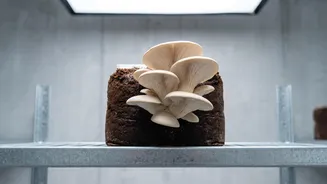
So, what makes used coffee grounds so special for growing mushrooms? The answer lies in their composition and the brewing process itself. Coffee grounds are rich in nitrogen and other essential minerals that fungi, particularly oyster mushrooms, need to thrive. The brewing process, which involves passing hot water through the grounds, effectively pasteurises them. This is a crucial step that in traditional mushroom farming requires time and energy to kill off competing bacteria and moulds. By using coffee waste, farmers get a substrate that is not only nutrient-dense but also conveniently pre-sterilised, saving them significant operational costs and effort.
Big Benefits for the Mushroom Farmer
For an urban mushroom farm, the advantages of this partnership are immense. The most obvious benefit is access to a free and consistent supply of substrate. Traditional substrates like sawdust or straw can be costly and require logistical effort to procure. By sourcing coffee grounds from nearby cafes, farms slash their raw material expenses. This also provides a powerful marketing narrative. Consumers are increasingly drawn to products with a strong sustainability story. Being able to say that their mushrooms are grown on recycled local waste helps farms build a brand identity centered on freshness, locality, and environmental responsibility, often commanding a premium price.
A Mutually Beneficial Arrangement
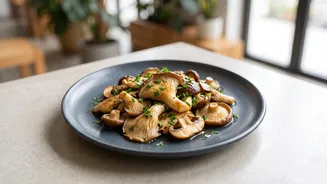
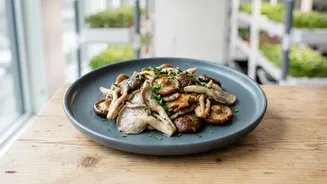
The cafes that participate in these programs also reap significant rewards. The primary benefit is financial. Commercial waste disposal can be expensive, and diverting kilos of heavy, wet coffee grounds from the bin can lead to substantial savings on waste management fees. Furthermore, partnering with a local farm enhances the cafe's brand image. It allows them to demonstrate a tangible commitment to sustainability, which resonates strongly with environmentally conscious customers. In some cases, the relationship comes full circle, with the cafe purchasing the fresh, locally grown mushrooms from the farm to use in their own dishes, creating a truly closed-loop system.
The Bigger Picture: A Model for Urban Sustainability
While this trend is well-established in Europe and the US with companies like Funghi Espresso and GroCycle, the principles are universally applicable. In India, the gourmet mushroom scene is expanding, with farms like Shroomery in Haryana and the Gourmet Mushroom Company in Bangalore leading the way in cultivating diverse varieties. As urban centres grapple with waste management and food security, the coffee-to-mushroom model offers a compelling blueprint for the future. It’s a simple yet powerful demonstration of how urban symbiosis can create resilient local food systems, reduce landfill waste, and foster community connections between different types of businesses. The cycle can even continue after harvest, as the spent mushroom substrate makes an excellent soil conditioner for gardeners and other agricultural uses.