


Loose frocks, tunics, and tops are the pinnacle of comfort, but their shapeless nature can leave your figure hidden. The humble belt is the perfect tool to reclaim your silhouette, adding structure and style with one simple accessory.
Choose the Right Type of Belt
The first step is
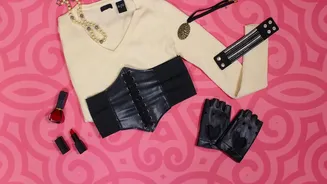
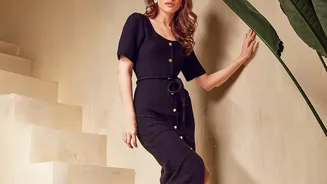
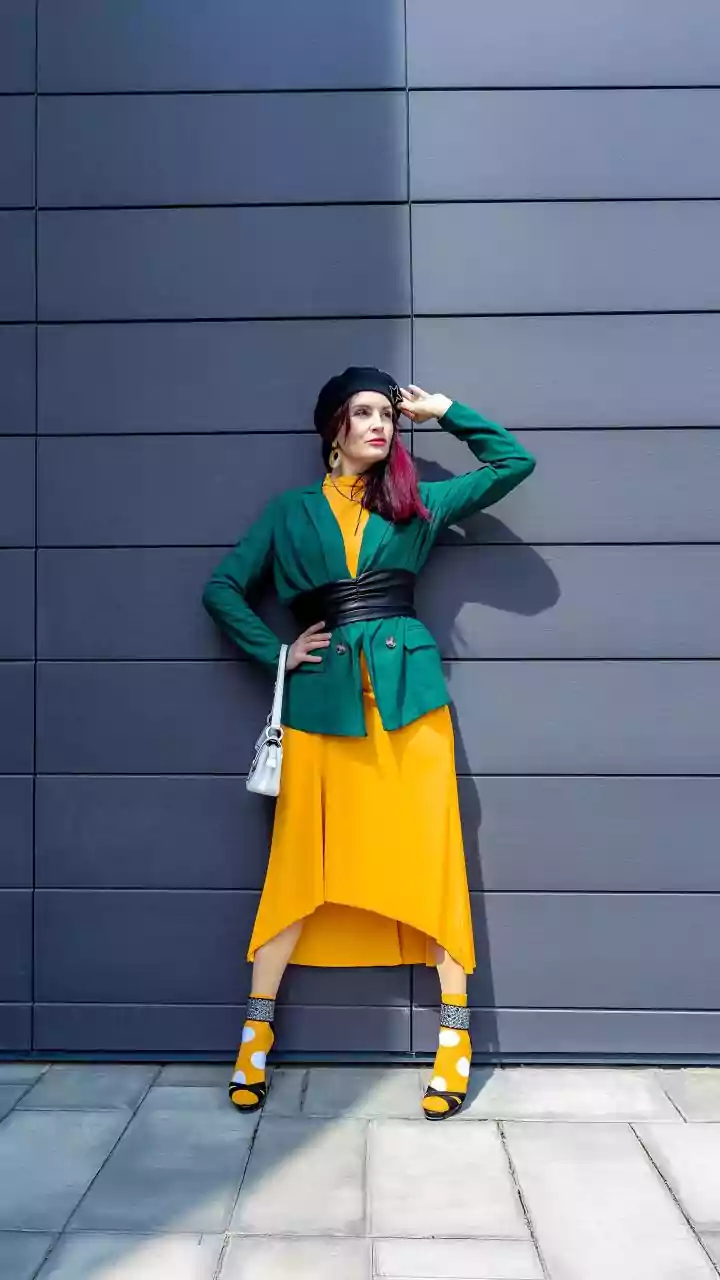
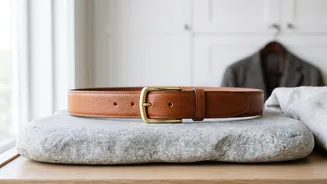
selecting the right belt for the job, as different styles create vastly different effects. A wide belt, two inches or more, is excellent for making a bold statement and is particularly effective at smoothing over the fabric of an oversized shirt or blazer. For a more subtle accent, a skinny belt (about one inch wide or less) is ideal for gently cinching a dress that already has a decent fit or for adding a touch of polish to a simple frock. Classic leather belts in neutral colours like black, brown, or tan are timeless and versatile, working with everything from formal dresses to casual tops. For a more relaxed, bohemian feel with maxi dresses or breezy kurtis, consider a braided leather or soft fabric belt.
The Classic Cinch at the Natural Waist
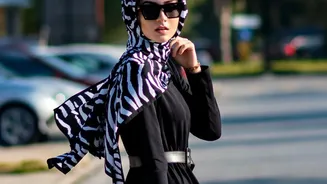
The most common and often most flattering technique is to place the belt at the narrowest part of your torso—your natural waist. This instantly creates a more defined, classic hourglass shape. This method works wonders on everything from A-line frocks and shirt dresses to long kurtis. When belting a loose garment like a sweater dress or tunic, gently blouse the fabric over the top of the belt to create an effortlessly chic look that doesn't appear too constricted. To ensure a polished finish, try to match your belt's colour to your shoes or bag for a cohesive look, or choose one in the same tone as your dress for a subtle, streamlined effect.
Create an Elegant Empire Waistline
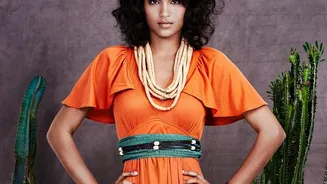
For a different silhouette, try placing a belt just under the bustline. This creates what is known as an empire waist. This styling trick is fantastic for elongating your lower body, making your legs appear longer, which is especially flattering for petite figures or when wearing a flowing maxi dress. A higher belt placement works well with flowy dresses as it adds definition without interrupting the drape of the fabric. It can also help hide belly flaws. Use a thin or medium-width belt for this look to maintain delicate proportions and avoid overwhelming your frame.
The Relaxed, Low-Slung Look
For a more casual, bohemian vibe, wear a belt loosely around your hips. This low-slung style is perfect for shorter, straight-silhouetted frocks or when styling a long tunic over jeans or straight-leg pants. Placing the belt lower can also help balance a longer torso. Braided belts, chain belts, or even a silk scarf used as a belt can enhance this relaxed aesthetic. When belting a tunic, this technique prevents the top from making your legs look shorter, as it keeps the proportions balanced. It's a comfortable and modern way to add interest without a tight cinch.
Mastering Oversized Tops and Kurtis
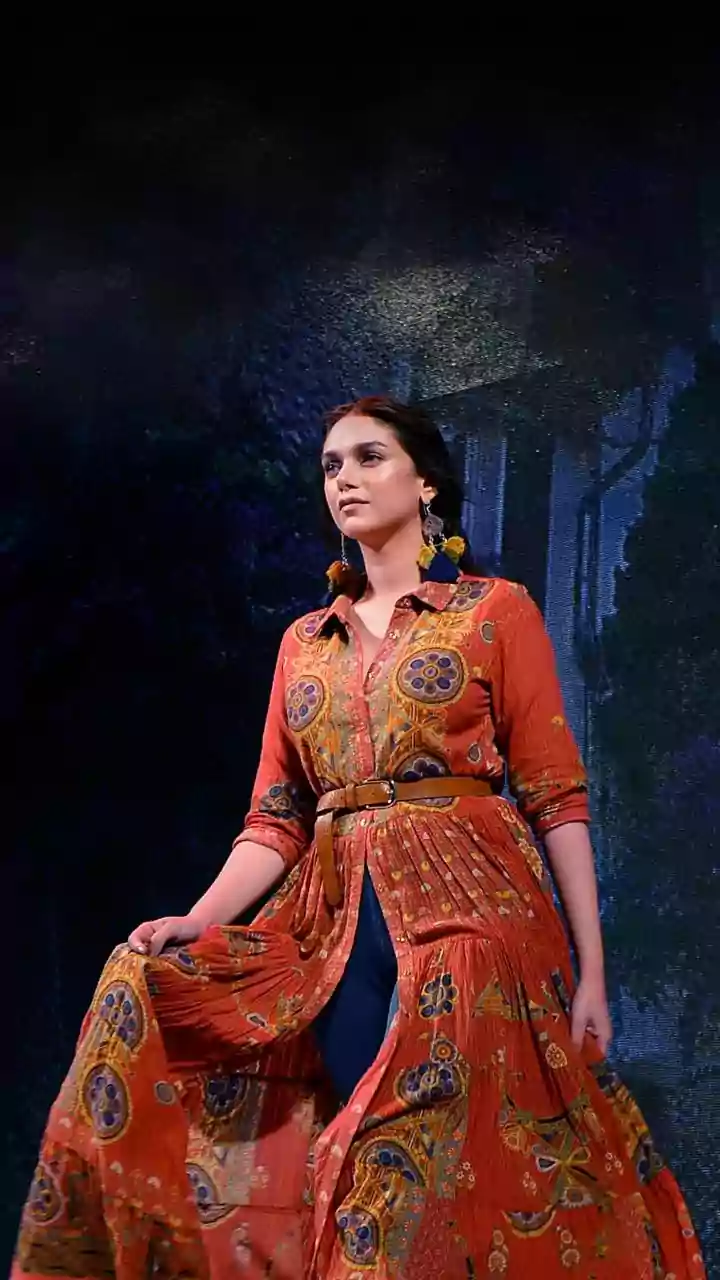
Oversized shirts and kurtis can easily look shapeless, but a belt is the perfect solution. A wide belt is often best for managing the volume of an oversized shirt, creating a cleaner finish. When styling a kurti, you can opt for a wide belt for a bold statement or a sleek, narrow one for an understated look. The key is placing the belt correctly; position it at your natural waist to create an hourglass figure, or slightly lower for a more relaxed feel. Be mindful to avoid placing the belt directly over any bulky embroidery or pockets to ensure a smooth line. For a very long top or kurti, pairing it with slim-fit pants will create a streamlined and balanced silhouette.