






How Bad Air Hurts Your Skin
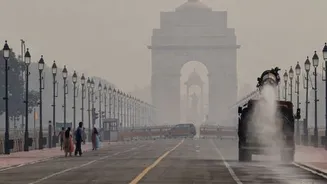
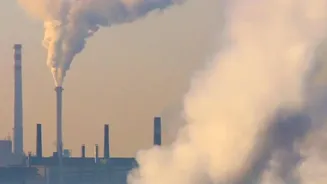
The air in a polluted city like Delhi is filled with a cocktail of aggressors: particulate matter (PM2.5), ozone, smoke, and heavy metals. These particles are tiny enough to penetrate your pores or weaken your skin's natural protective barrier. Once this
barrier is compromised, your skin loses moisture more easily, becoming dry and sensitive. But the damage goes deeper. These pollutants generate 'free radicals' — unstable molecules that attack healthy skin cells, break down collagen, and trigger inflammation. This process, known as oxidative stress, is a primary driver of premature ageing, fine lines, dark spots, and dullness. It can also cause or worsen conditions like acne, eczema, and rashes.
Sunscreen’s Surprising Role in the Smog
It seems counterintuitive to apply sunscreen on a hazy day when the sun is barely visible, but it's a non-negotiable step. Firstly, harmful UVA rays, which are responsible for ageing, can penetrate clouds and smog. Secondly, and crucially in this context, sunscreen provides a physical barrier on your skin. Mineral-based sunscreens containing zinc oxide or titanium dioxide are particularly effective. They create a shield that can help prevent tiny pollution particles from settling into your pores and coming into direct contact with your skin. Think of it less as a 'sun cream' and more as a daily 'defence cream' that protects you from a range of environmental threats, not just UV radiation.
Beyond a Barrier: The Power of Antioxidants
Modern sunscreens often do more than just block rays and particles. Many are formulated with antioxidants like Vitamin C or Vitamin E. This is a game-changer for urban skincare. While the physical barrier of sunscreen blocks some pollutants, antioxidants work to neutralise the free radicals that do get through. They are the clean-up crew for the oxidative stress caused by pollution. By applying an antioxidant-rich sunscreen, you are not just shielding your skin; you are actively helping it fight back against the damaging cellular reactions that pollutants trigger throughout the day. This combination of a physical shield and antioxidant defence makes for a powerful anti-pollution strategy.
Your Complete Anti-Pollution Skincare Plan
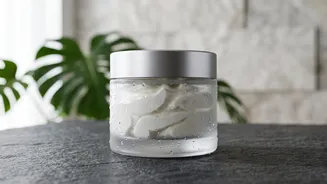
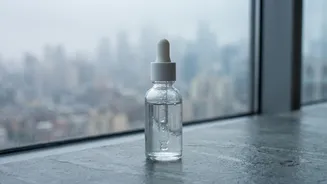
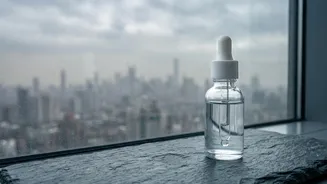
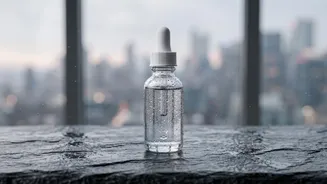
Sunscreen is a hero, but it needs a supporting cast. Dermatologists recommend a simple but consistent routine to protect your skin during periods of high pollution. The first step, especially in the evening, is thorough cleansing. A 'double cleanse'—using an oil-based cleanser first, followed by a gentle gel or cream cleanser—is highly effective at breaking down and removing the day's accumulation of grime, makeup, and particulate matter without stripping your skin. Next, focus on strengthening your skin's barrier with a good moisturiser containing ingredients like ceramides or hyaluronic acid. A strong, hydrated barrier is less susceptible to damage from pollutants. Finally, in the morning, apply your antioxidant serum and, as the last step, your broad-spectrum sunscreen with an SPF of 30 or higher.
Lifestyle Tweaks for Healthier Skin
What you do beyond your skincare routine also matters. Staying well-hydrated by drinking plenty of water helps keep your skin healthy from the inside out. Incorporating antioxidant-rich foods like berries, leafy greens, and citrus fruits into your diet can also support your skin’s natural defence systems. Whenever possible, using an air purifier at home can reduce your exposure to indoor pollutants. And on days when the Air Quality Index (AQI) is particularly severe, one of the best things you can do for both your lungs and your skin is to minimise your time outdoors. When you do return home, make it a habit to wash your face immediately to remove any accumulated pollutants.