






We think of home as a safe haven from the world, but the air we breathe indoors can be more polluted than the air outside. A hidden cocktail of chemicals and particles, or 'indoor smog', gets trapped, posing a surprising risk to our health.
What is Indoor Smog?
The term 'smog'
usually brings to mind hazy city skylines. Indoor smog, however, is the invisible mixture of pollutants that accumulate inside our homes. It is not one single thing, but a complex cocktail of fine dust, chemical gases, and biological particles. The US Environmental Protection Agency (EPA) has ranked it among the top five environmental dangers, noting that we spend about 90% of our time indoors. These pollutants come from everyday activities and items, getting trapped when there is not enough ventilation to clear them out. Levels of these pollutants can often be two to five times higher inside than they are outdoors, creating a personal pollution bubble where we live and sleep.
The Everyday Sources in Indian Homes
Many sources of indoor smog are deeply rooted in daily life. Cooking, especially the tempering of spices ('tadka') and frying, is a major generator of fine particulate matter (PM2.5) and gases like nitrogen dioxide. Incense sticks (agarbatti) and mosquito coils, common in many households, release a mix of chemicals and fine particles directly into the living space. New furniture, particularly items made from pressed wood or MDF, along with fresh paint and varnishes, can release chemical gases known as Volatile Organic Compounds (VOCs) for weeks or even months. Even everyday cleaning products, air fresheners, and personal care items like sprays can contribute to this chemical load.
Why Modern Homes Can Be a Trap
While our ancestors lived in homes with natural ventilation, today’s urban apartments are often built to be airtight. We seal windows and doors to keep out noise, dust, and summer heat, and to keep in the cool air from our air conditioners. This efficiency comes at a cost. These sealed environments prevent pollutants from escaping, allowing them to build up over time. Standard split air conditioners typically just recirculate the same indoor air, meaning they do little to remove these trapped gases and fine particles unless they are equipped with advanced filtration systems. This creates a feedback loop where pollutants generated inside, stay inside.
The Quiet Health Risks
The health effects of breathing this indoor smog can be subtle at first but significant over time. Short-term exposure can lead to headaches, dizziness, fatigue, and irritation of the eyes, nose, and throat. For those with respiratory conditions like asthma, these pollutants can act as triggers, worsening their symptoms. Long-term exposure is more concerning, as it has been linked to the development of chronic respiratory diseases, heart disease, and even certain types of cancer. The smallest particles, known as PM2.5, are particularly dangerous because they can penetrate deep into the lungs and enter the bloodstream, causing systemic health issues.
Simple Steps to Breathe Easier
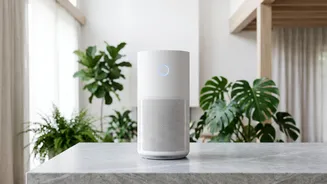
Improving your indoor air doesn't have to be complicated. The most effective strategy is source control, which means reducing pollutants at their origin. But ventilation is the simplest and most powerful tool you have. Open your windows for at least 10–15 minutes each day, even in winter, to allow fresh air to dilute and flush out trapped pollutants. Use an exhaust fan in the kitchen while cooking and in the bathroom to remove moisture and fumes. Regular cleaning with a damp cloth or a vacuum with a good filter can help control dust and allergens. When buying new furniture or painting, look for low–VOC options and try to ventilate the rooms well during and after. For an added layer of protection, especially in highly polluted cities, consider using an air purifier with a HEPA filter, which is effective at capturing fine particles.