
Beyond the Grand Road
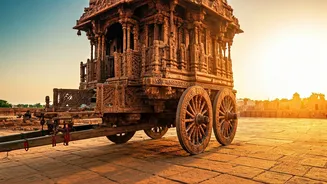
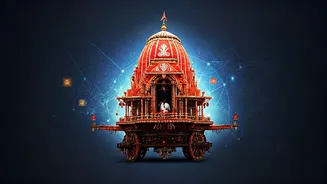
The annual Rath Yatra, one of India's most profound spiritual events, has begun a remarkable new journey. While the grand chariots of Lord Jagannath, Lord Balabhadra, and Devi Subhadra still roll down the Bada Danda (Grand Road) in Puri, the festival's
reach has expanded far beyond the physical realm. The Shree Jagannath Temple Administration (SJTA) and the Odisha government have orchestrated a significant push into the digital world, transforming how millions of devotees experience the festival. This year, the age-old chants and rituals are complemented by live streams, real-time social media updates, and even a dedicated mobile app. The goal is to bring the vibrant, devotional atmosphere of Puri to a global audience, ensuring that those unable to make the pilgrimage can still participate in the sacred event from anywhere in the world.
A Tradition Goes Digital
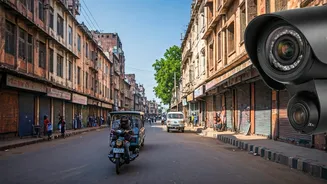
This digital evolution isn't just about broadcasting the festival; it's a multi-pronged communication strategy. Official YouTube channels and major news networks now offer high-definition live streams of all major rituals, from the Snana Purnima to the final day. The Odisha government's Information and Public Relations department has rolled out an extensive plan that includes enhanced publicity across all social media platforms. A key part of this strategy involves crowd management. Following tragedies in previous years, police are now using technology to provide real-time updates on rituals via LED screens, bulk SMS, and social media to prevent dangerous overcrowding. Beyond the festival itself, the temple administration is embracing digital for daily operations, with plans for an 'e-hundi' system named 'Samarpan' to allow for secure online donations from devotees worldwide. A digital library is also in the works to preserve and share rare manuscripts like the 'Madala Panji' with a global audience of researchers and devotees.
The Command Centre
Orchestrating this digital shift is a collaborative effort between several bodies. The Shree Jagannath Temple Administration (SJTA) is at the helm, making key decisions on integrating technology with tradition. They work in close coordination with the Odisha government, particularly the Law Ministry and the I&PR Department, which handles public outreach and media arrangements. The Puri police play a crucial role, leveraging the digital communication network for security and crowd control, a responsibility that has become even more critical in recent years. This coordinated effort aims to create a seamless experience for both pilgrims on the ground and virtual participants. For the first time, large-scale LED screens are being installed along the Bhubaneswar-Puri highway to disseminate real-time information, a testament to the scale of this new digital infrastructure.
Bridging Worlds, Facing Challenges
The move into the digital feed presents both immense opportunities and new challenges. The primary benefit is accessibility. It allows the elderly, the differently-abled, and devotees across the globe to have a meaningful 'darshan'. This digital outreach is part of a broader trend in India, where social media is fueling a boom in spiritual tourism, especially among younger generations. However, this digital presence also brings complexities. For brands, the Rath Yatra is now seen as a massive marketing opportunity, with influencer collaborations and 'seva-led' brand integrations becoming common. The administration must carefully balance this commercial interest with the sanctity of the festival. There is also the challenge of authenticity—ensuring that the digital representation captures the true spiritual essence of the event without diluting it for mass consumption. As Puri's ancient festival carves out its space in the digital world, it navigates a path of blending timeless faith with modern technology.