


The Challenge of the Intuitive Cook
In many Indian households, cooking is a language of love, not lectures. A mother or grandmother might add spices with a flick of the wrist or measure rice by the cup of her hands. This intuitive method, often called 'andaz', is a beautiful tradition,
but it makes recipes incredibly difficult to pass down. When a loved one is gone, these unwritten rules can vanish, and with them, a piece of your family's history. Preserving these recipes is about more than just food; it's about honouring your lineage and keeping memories alive for future generations. The act of documenting them builds a bridge between the past and the present.
Gather Your Translation Tools
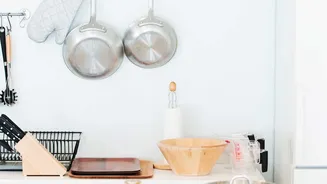
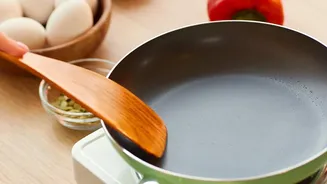
To begin documenting, you don't need a professional kitchen, just a few basic tools. The goal is to turn 'a little bit of this' into a concrete number. Your essential toolkit should include a set of standard measuring cups and spoons (for both dry and liquid ingredients), a clear liquid measuring jug, and most importantly, a digital kitchen scale. While cups measure volume, a scale measures weight, which is far more accurate and universal, especially for ingredients like flour or chopped vegetables that can vary in density. Many Indian kitchens already have useful tools like a masala dabba (spice box) and various pans like a kadhai or tawa, which are perfect for recreating dishes authentically.
The Observation and Conversion Process
The best way to capture an intuitive recipe is to become a student in the kitchen. Ask the family cook if you can observe them and measure everything they do. As they add a 'handful' of lentils, ask them to pour it into a measuring cup or onto the kitchen scale first. Record the weight in grams or the volume in cups. If they use a specific family bowl or glass, measure how much that vessel holds. Be patient and take detailed notes, or even a video, which can capture techniques that words can't describe. Jot down everything: 'one pinch of hing' might translate to '1/4 teaspoon', and 'Nani's favourite teacup of sugar' might become '150 grams'. This process might feel slow, but it's the key to creating a reliable record.
Writing a Recipe Anyone Can Follow
Once you have your measurements, the next step is to write them down clearly. A good recipe is like a clear set of instructions. Start by listing all the ingredients in the order they are used. Then, write out the method step-by-step. Be specific. Instead of 'fry until brown', try 'fry on medium heat for 5-7 minutes, until the onions are golden brown'. Include pan sizes, cooking temperatures, and approximate times. It's also vital to include the little tips and tricks that make the dish special—the 'why' behind the 'what'. Does the water need to be boiling before adding rice? Should the dough rest for a specific amount of time? These details are often the secret to success.
Don't Forget the Stories
A recipe is more than a list of ingredients; it's a story. As you document the steps, take time to record the memories associated with the dish. Who taught your grandmother to make it? Was it a special dish for Diwali, or a simple comfort food for a rainy day? Including these anecdotes transforms a simple recipe card into a cherished family document. You can create a physical scrapbook with handwritten notes and photos or a digital folder that can be easily shared with relatives near and far. This context adds emotional depth and ensures that the story behind the flavour is never lost.