







Fight Musty Odours Naturally
Cupboards and wardrobes often develop a stale, musty smell during the monsoon due to trapped humidity. Instead of using chemical air fresheners, turn to your kitchen for solutions. Place small bowls of baking soda or freshly ground coffee inside enclosed
spaces to absorb both moisture and bad smells. Camphor tablets, a staple in many Indian homes, work wonders when placed in closets to protect clothes and ward off insects. Dried neem leaves also serve a dual purpose, acting as a natural disinfectant and deodoriser. For a fragrant touch, you can use cotton balls soaked in essential oils like lavender or eucalyptus.
Combat Dampness and Prevent Mould
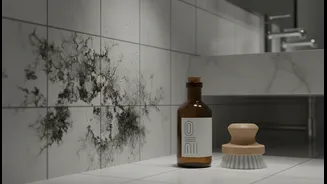
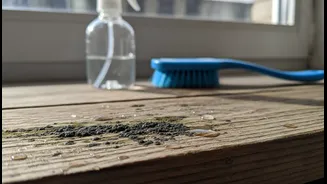
Dampness is the root cause of many monsoon woes, including mould and mildew. Good ventilation is your first line of defence; open windows and doors whenever there's a break in the rain to let air circulate. For persistent damp spots, bowls of rock salt or charcoal briquettes are excellent at absorbing excess moisture from the air. A highly effective trick for tackling existing mould is to spray the area with undiluted white vinegar. Let it sit for an hour before wiping it clean. For stubborn spots on tiles or grout, a paste of baking soda and water acts as a gentle but effective scrub. Regularly check and clean AC filters, as they can become breeding grounds for mould.
Keep Floors Grime-Free and Dry
Muddy footprints and a perpetually grimy feel are common floor complaints during the rainy season. To tackle this, an effective and simple mopping solution is to add a cup of white vinegar to your bucket of water. This disinfects the floor and helps it dry without a sticky residue. Adding a few drops of eucalyptus or lemon essential oil can lend a fresh fragrance and help repel insects. It is also wise to roll up and store carpets and absorbent rugs for the season, as they trap moisture, dirt, and can become breeding grounds for mildew. After mopping, switch on a fan to help the floors dry faster, preventing moisture from settling in tile grout.
Protect Your Furniture and Walls
Wooden furniture is particularly vulnerable during the monsoon, as it can swell and develop fungus. Wipe down all wooden surfaces frequently with a clean, dry cloth to prevent moisture buildup. It's also a good practice to move furniture slightly away from walls to allow air to circulate behind it, preventing damp patches from forming on both the wall and the furniture. Polishing or waxing wooden items before the season starts can also create a protective barrier against moisture. Any leaks in roofs or walls should be fixed promptly, as this is a primary cause of dampness and mould growth.
Use Natural Pest Repellents
The monsoon often brings an unwelcome surge of insects. Many common kitchen ingredients can help keep them at bay. A spray made from boiled garlic cloves and water can be used in corners and under sinks to drive away pests. Burning camphor is another traditional method that effectively repels mosquitoes. For a general-purpose insect repellent spray, you can mix essential oils like neem, citronella, or peppermint with water. These natural solutions are safer alternatives to chemical insecticides, especially for households with children and pets.
Manage Laundry and Linens
Getting clothes to dry completely is a major challenge, often resulting in musty-smelling laundry. A great tip is to add half a cup of white vinegar to the final rinse cycle of your wash. This helps neutralise odours and removes detergent residue that can trap moisture. Ensure clothes are not left sitting in the washing machine after a cycle finishes. When drying clothes indoors, hang them with ample space between items to allow for better air circulation, and use a fan to speed up the process. Before storing, make certain that every piece of clothing is bone dry.