







From Carefree to Calculated
Not long ago, the biggest worry at a festival might have been a sudden downpour or losing your friends in a crowd. But a series of high-profile tragedies, from crowd surges to security threats, has fundamentally altered that mindset. The carefree spirit
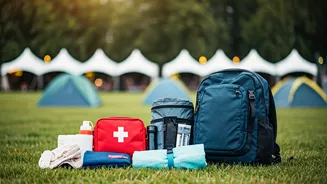
that defined iconic events like Woodstock, which had virtually no formal security, has given way to a new era of hyper-awareness. Today’s festival-goer is a planner. Before the first note plays, they are researching venue layouts to identify exits, establishing emergency meeting points with friends, and packing for worst-case scenarios. This shift isn't about paranoia; it's a pragmatic response to a world where large gatherings are increasingly seen as vulnerable.
The New Digital and Physical Toolkit
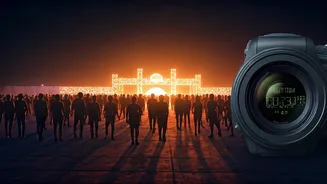
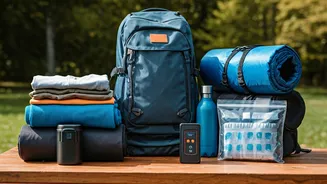
This new security culture is supported by technology, both on the personal and organizational level. For attendees, it means hydration backpacks to prevent exhaustion, portable chargers to ensure a working phone for emergencies, and even personal safety apps that can share your location or alert contacts. Organizers, in turn, have moved far beyond just having guards at the gate. Modern festivals now employ a sophisticated web of security measures. AI-powered cameras monitor crowd density to prevent dangerous crushing, while drone surveillance provides a bird's-eye view to manage flow and spot trouble before it escalates. Digital ticketing and biometric access control are also becoming standard, designed to filter out unauthorized individuals and streamline entry.
A Double-Edged Sword
While these measures are designed to enhance safety, they bring a new set of considerations. The very presence of intense security—from metal detectors to a heavy police presence—can sometimes feel at odds with the escapism that festivals promise. Some research suggests that overly aggressive security can create anxiety and undermine the sense of community that is core to the festival experience. In response, some festivals are pioneering an 'ambassador' model, where security staff are trained to be approachable and helpful, handing out water and high-fives along with enforcing rules. The goal is to integrate safety into the fabric of the event, rather than imposing it in a way that feels intimidating. This approach recognizes that a sense of shared responsibility among attendees and staff is a powerful safety tool in itself.
The Future of Communal Joy
The evolution of festival security reflects a broader societal negotiation between freedom and safety. For every attendee who finds the heightened measures reassuring, there may be another who feels it detracts from the spontaneous joy of the experience. Finding the right balance is the central challenge for the industry. The rise of this security prep culture shows that attendees are not willing to leave their safety entirely in the hands of others. They are active participants, arming themselves with knowledge and tools to protect themselves and their friends. This new self-reliance is redefining what it means to be a responsible festival-goer in the modern age.