





It's a familiar tragedy: the vibrant bundle of kale or crisp head of lettuce you bought just days ago has turned into a sad, slimy mess. But it doesn't have to be this way. With the right technique, you can stop wasting money and food.
The Golden Rule: Control the Moisture
The number one enemy
of fresh greens is excess moisture. While the leaves themselves have a high water content, any extra water clinging to them after washing creates a perfect environment for bacteria, leading to slimy leaves and rapid decay. Conversely, if they get too dry, they'll wilt. The goal of proper storage is to strike a perfect balance: keeping the greens in a humid environment without letting them sit in water. The most effective way to do this involves creating a breathable container that allows air to circulate while a wicking material, like a paper towel, absorbs condensation.
Your Go-To Method: The Container and Paper Towel
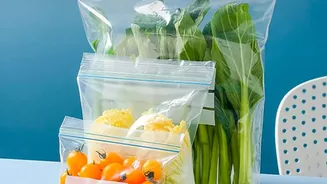
This technique is the gold standard for most leafy greens, from mixed salad greens to whole heads of lettuce. First, wash your greens thoroughly. For heads of lettuce, separate the leaves. Next, and this is the most critical step, dry them completely. A salad spinner is the best tool for this job, as it removes water without bruising the delicate leaves. If you don't have one, you can gently pat them dry with a clean kitchen towel. Line a hard-sided container—glass or plastic—with a dry paper towel. Loosely place the greens inside, making sure not to pack them down, as they need air to breathe. Place another paper towel on top of the greens before sealing the container. Store it in your refrigerator's crisper drawer. The paper towels will absorb any excess moisture, and the container protects the leaves from being crushed. For best results, change the paper towels if they become damp.
Handling Hardy Greens: Kale, Chard, and Collards
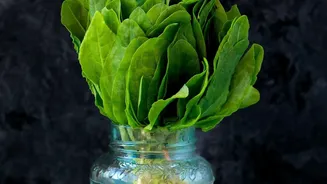
Sturdier greens like kale, Swiss chard, and collards are more forgiving than delicate lettuces. While the container method works well, some sources suggest storing them unwashed to maximize their lifespan. To do this, simply wrap the unwashed bunch in a layer of paper towels to absorb exterior moisture and place it inside a plastic bag in the crisper drawer. They can last for 10 to 14 days this way. When you're ready to use them, wash them thoroughly. For easier prep later, you can remove the tough stems from kale before storing.
Caring for Delicate Lettuces and Spinach
Delicate greens like butter lettuce, spring mix, and spinach require a gentle touch. Because their leaves are thin and have a high water content, they are especially prone to wilting and turning slimy. It is crucial that they are thoroughly dried after washing and stored without being compacted. The container-and-paper-towel method is ideal. For spinach that you buy in a clamshell, you can simply place a folded paper towel directly inside the original container to absorb condensation. Be sure to remove any leaves that already look wilted or damaged, as they can accelerate the spoilage of the entire batch.
A Surprising Alternative : Aluminum Foil
An unconventional but surprisingly effective method, particularly for whole heads of lettuce like romaine and iceberg, involves wrapping them tightly in aluminum foil. Do not wash the lettuce beforehand; the key to this method is keeping the leaves dry. Simply wrap the entire head securely in a large piece of foil and place it in the crisper drawer. The foil creates a barrier that protects against moisture loss without trapping condensation. Proponents claim this can keep lettuce crisp for up to a month. When you need some, just unwrap the head, tear off what you need, and rewrap the rest.